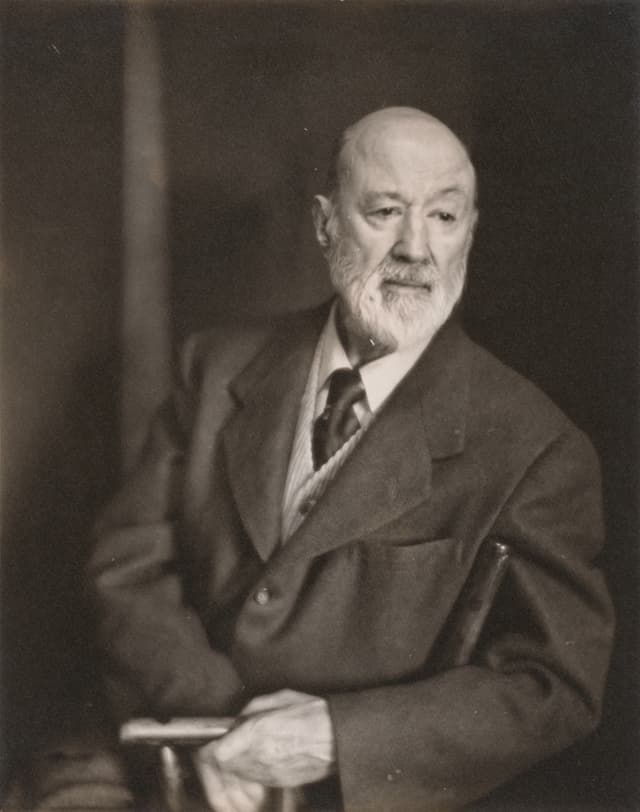
Charles Ives
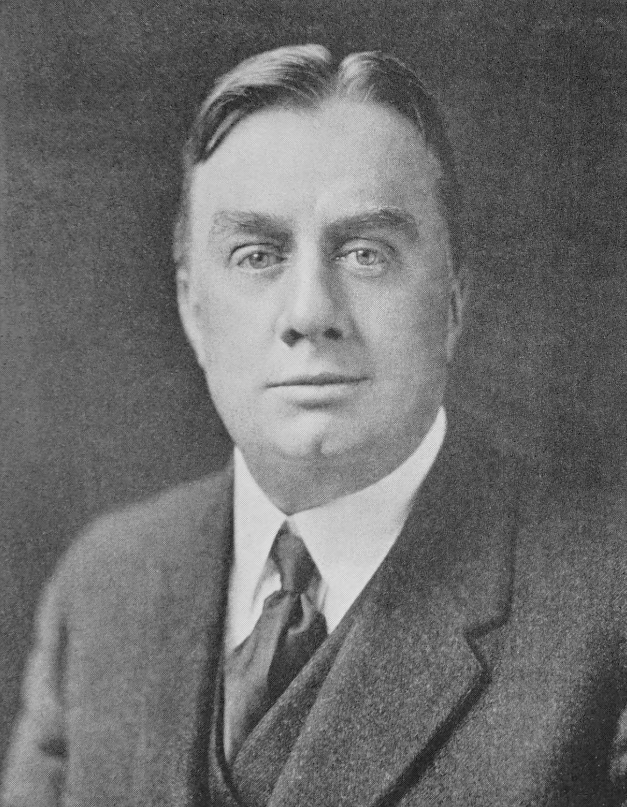
Charles Ives was an American modernist composer whose innovative approach to music set him apart as a pioneering figure in 20th-century art music. Born in a small town in Connecticut, Ives was influenced by his father's unconventional musical ideas and the rich tapestry of American folk traditions. His compositions often drew from a diverse array of sources, including hymn tunes, town band melodies, and popular songs, creating a unique sound that blended traditional elements with experimental techniques. Despite facing neglect during his early career, Ives's work began to gain recognition later in life, thanks in part to the advocacy of fellow composers like Henry Cowell and Lou Harrison. Ives's contributions to music were groundbreaking; he was among the first to explore concepts such as polytonality, polyrhythm, and tone clusters, paving the way for future generations of composers. His notable works, including "The Unanswered Question," "Three Places in New England," and the ambitious "Symphony No. 4," showcased his distinctive style and complex musical ideas. Ives's legacy endures as he is celebrated not only as a key figure in American music but also as a visionary whose experimental spirit anticipated many of the innovations that would define modern music.
Famous Quotes
View all 3 quotes“Awards are merely the badges of mediocrity.”
“Beauty in music is too often confused with something that lets the ear lie back in an easy chair. Many sounds that we are used to do not bother us, and for that reason we are inclined to call them beautiful. Frequently—possibly almost invariably—analytical and impersonal test will show that when a new or unfamiliar work is accepted as beautiful on its first hearing, its fundamental quality is one that tends to put the mind to sleep.”
“The fabric of existence weaves itself whole.”
Books from the author




Link to this page
Add a free, dofollow link to Lex on your blog, forum, syllabus, or reading list.

<a href="https://lex-books.com/author/charles-ives"><img src="https://lex-books.com/badges/read-on-lex.svg" alt="Charles Ives on Lex" width="160" height="40"></a>[](https://lex-books.com/author/charles-ives)[url=https://lex-books.com/author/charles-ives][img]https://lex-books.com/badges/read-on-lex.svg[/img][/url]Charles Ives on Lex: https://lex-books.com/author/charles-ives