What would you like to read?Search books, authors, genres, shelves, users...
Search books, authors, genres, shelves, users...Search books, authors, genres, shelves, users...

What would you like to read?Search books, authors, genres, shelves, users...
Search books, authors, genres, shelves, users...Search books, authors, genres, shelves, users...
1 books
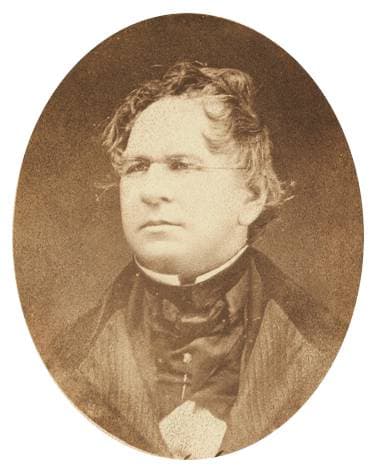
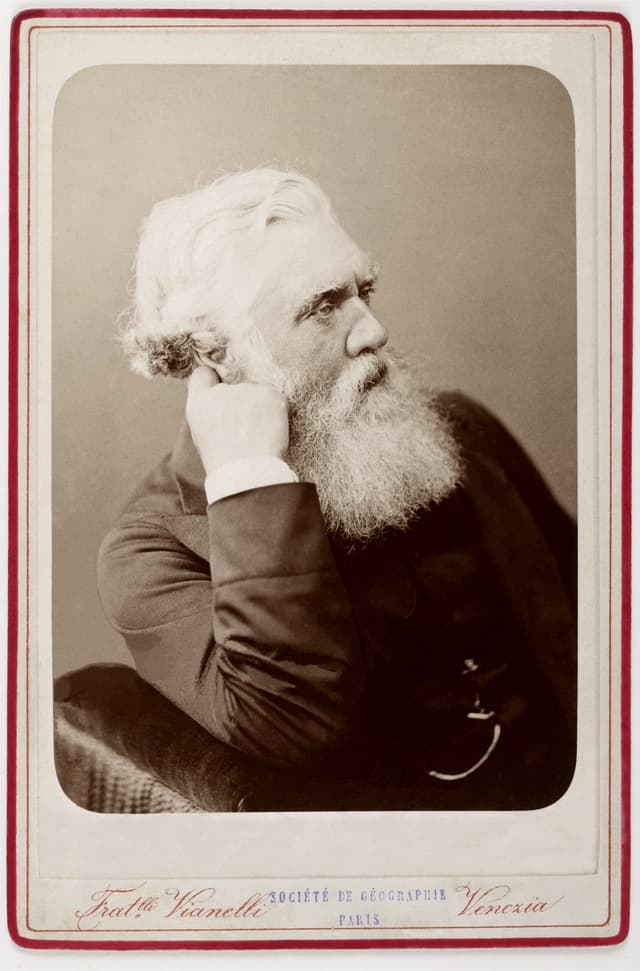
Sir Austen Henry Layard GCB PC (/lɛərd/; 5 March 1817 – 5 July 1894) was an English Assyriologist, traveller, cuneiformist, art historian, draughtsman, collector, politician and diplomat. He was born to a mostly English family in Paris and largely raised in Italy. He is best known as the excavator of Nimrud and of Nineveh, where he uncovered a large proportion of the Assyrian palace reliefs known, and in 1851 the library of Ashurbanipal. Most of his finds are now in the British Museum. He made a large amount of money from his best-selling accounts of his excavations. He had a political career between 1852, when he was elected as a Member of Parliament, and 1869, holding various junior ministerial positions. He was then made ambassador to Madrid, then Constantinople, living much of the time in a palazzo he bought in Venice. During this period he built up a significant collection of paintings, which due to a legal loophole he had as a diplomat, he was able to extricate from Venice and bequeath to the National Gallery (as the Layard Bequest) and other British museums.

On all sides, as far as the eye could reach, rose the grass-covered heaps marking the site of ancient habitations. The great tide of civilisation had long since ebbed, leaving these scattered wrecks on the solitary shore. Are those waters to flow again, bearing back the seeds of knowledge and of wealth that they have wafted to the West? We wanderers were seeking what they had left behind, as children gather up the coloured shells on the deserted sands. At my feet there was a busy scene, making more lonely the unbroken solitude which reigned in the vast plain around, where the only thing having life or motion were the shadows of the lofty mounds as they lengthened before the declining sun.
On all sides, as far as the eye could reach, rose the grass-covered heaps marking the site of ancient habitations. The great tide of civilisation had long since ebbed, leaving these scattered wrecks on the solitary shore. Are those waters to flow again, bearing back the seeds of knowledge and of wealth that they have wafted to the West? We wanderers were seeking what they had left behind, as children gather up the coloured shells on the deserted sands. At my feet there was a busy scene, making more lonely the unbroken solitude which reigned in the vast plain around, where the only thing having life or motion were the shadows of the lofty mounds as they lengthened before the declining sun.