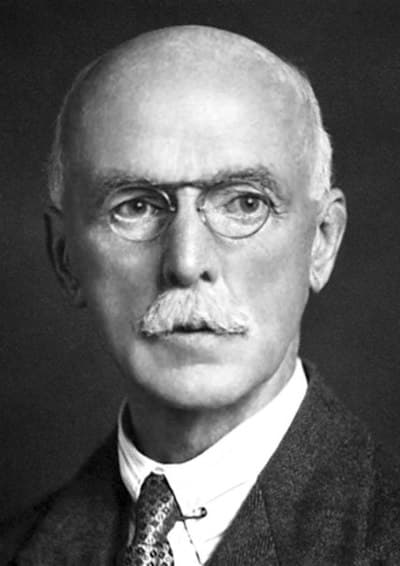
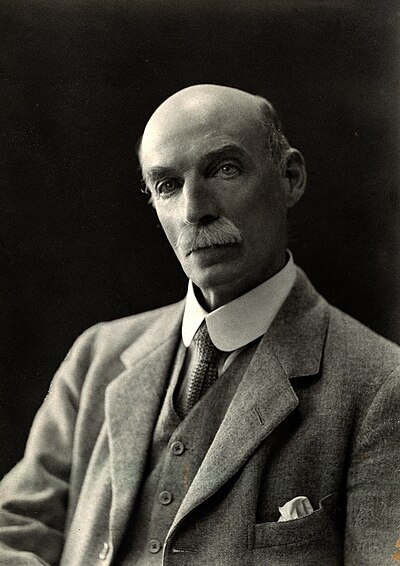
Arthur Harden
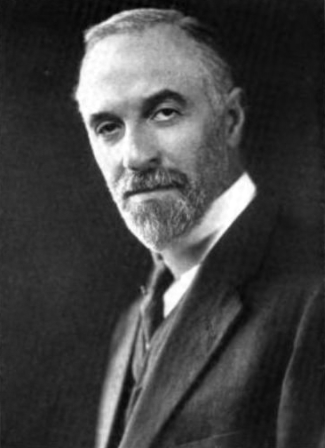
Sir Arthur Harden was a prominent British biochemist known for his groundbreaking work in the field of fermentation. He shared the Nobel Prize in Chemistry in 1929 with Hans Karl August Simon von Euler-Chelpin for their pioneering investigations into the fermentation of sugar and the role of fermentative enzymes. This research not only advanced the understanding of biochemical processes but also laid the groundwork for various industrial applications, particularly in the production of alcohol and other fermented products. In addition to his Nobel-winning research, Harden was a founding member of the Biochemical Society and served as the editor of the Biochemical Journal for 25 years, significantly contributing to the dissemination of biochemical knowledge. His legacy is marked by his influence on the development of biochemistry as a discipline, and his work continues to be referenced in studies related to fermentation and enzyme activity, highlighting his lasting impact on the scientific community.
Famous Quotes
View all 6 quotes“Any man who had ever worked in a hardened missile site would have felt at home in Clavius. Here on the Moon were the same arts and hardware of underground living, and of protection against a hostile environment; but here they had been turned to the purposes of peace. After ten thousand years, Man had at last found something as exciting as war.””
“Side by side on the narrow shawl knelt the two wanderers, the little prattling child and the reckless, hardened adventurer. Her chubby face, and his haggard, angular visage were both turned up to the cloudless heaven in heartfelt entreaty to that dread being with whom they were face to face, while the two voices”
“The new territory opened up by the impetuous advance of a few geniuses, acting as a spearhead, is subsequently occupied by the solid phalanxes of mediocrity; and soon the revolution turns into a new orthodoxy, with its unavoidable symptoms of one-sidedness, over-specialization, loss of contact with other provinces of knowledge, and ultimately, estrangement from reality. We see this happening-unavoidably, it seems-at various times in the history of various sciences. The emergent orthodoxy hardens into a 'closed system' of thought, unwilling or unable to assimilate new empirical data or to adjust itself to significant changes in other fields of knowledge; sooner or later the matrix is blocked, a new crisis arises, leading to a new synthesis, and the cycle starts again.””
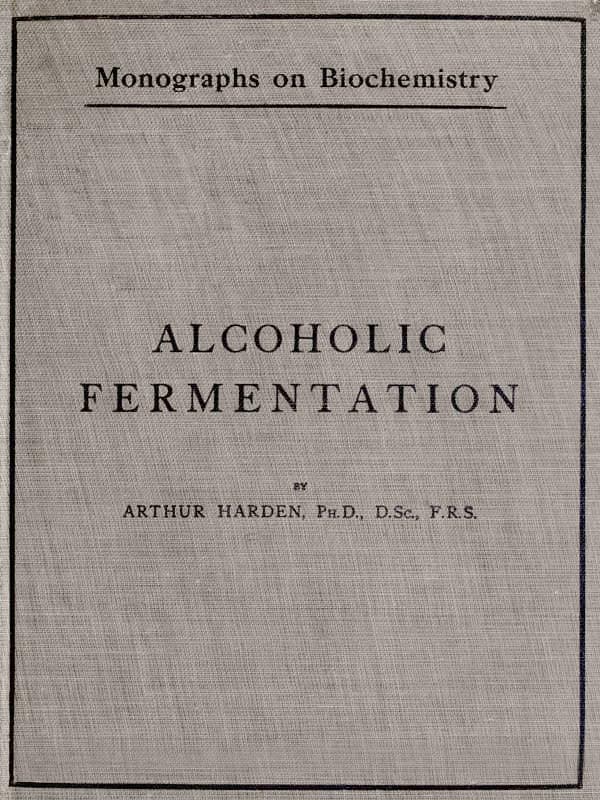
Books from the author



Link to this page
Add a free, dofollow link to Lex on your blog, forum, syllabus, or reading list.

<a href="https://lex-books.com/author/arthur-harden"><img src="https://lex-books.com/badges/read-on-lex.svg" alt="Arthur Harden on Lex" width="160" height="40"></a>[](https://lex-books.com/author/arthur-harden)[url=https://lex-books.com/author/arthur-harden][img]https://lex-books.com/badges/read-on-lex.svg[/img][/url]Arthur Harden on Lex: https://lex-books.com/author/arthur-harden