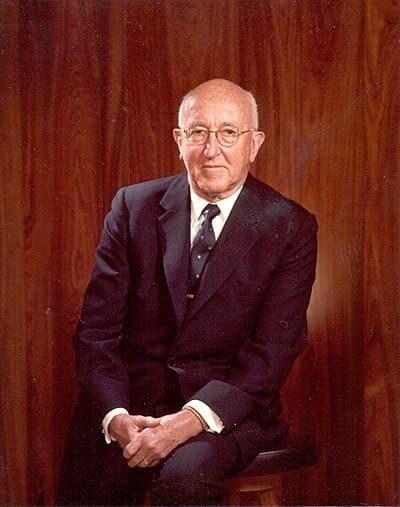
William McPherson
William McPherson was an American writer and journalist known for his contributions to literature and journalism in the 20th century. He authored two notable novels, 'Testing the Current' and 'To the Sargasso Sea,' which showcased his keen insight into human nature and the complexities of life. McPherson's writing often reflected his experiences and observations, blending personal narrative with broader social themes, making his work resonate with a diverse audience. In addition to his novels, McPherson was a prolific writer of articles and essays, contributing to various publications and establishing himself as a prominent voice in American literature. His literary significance lies not only in his storytelling but also in his ability to address contemporary issues through a personal lens, influencing both readers and fellow writers. McPherson's legacy endures through his works, which continue to be studied for their depth and relevance in understanding the human experience.
Famous Quotes
View all 2 quotes“Books give us pleasure not because they make us comfortable, though some good ones may, but because they entertain us, they make us laugh, they make us cry; they inform, persuade, disturb, convince, seduce us; they make us think, speculate, see - and we recognize what we see as true, not as the truth but as a truth in the writer's fabulous construction that corresponds to what we have observed in ourselves, or others, or in the world at large, or can conceive of observing.”
“The rich are all alike, to revise Tolstoy’s famous words, but the poor are poor in their own particular ways. Any reasonably intelligent reader could blow that generalization apart in the time it takes to write it. But as with most generalizations, a truth lies behind it. Ultimately, what binds the rich together is that they have more money, lots more. For one reason or another, the poor don’t have enough of it. But poverty doesn’t bind the poor together as much as wealth and the need to protect it bind the rich. If it did, we would hear the rattle of tumbrels in the streets. One hears mutterings, but the chains have not yet been shed.”
Books from the author



Link to this page
Add a free, dofollow link to Lex on your blog, forum, syllabus, or reading list.

<a href="https://lex-books.com/author/william-mcpherson"><img src="https://lex-books.com/badges/read-on-lex.svg" alt="William McPherson on Lex" width="160" height="40"></a>[](https://lex-books.com/author/william-mcpherson)[url=https://lex-books.com/author/william-mcpherson][img]https://lex-books.com/badges/read-on-lex.svg[/img][/url]William McPherson on Lex: https://lex-books.com/author/william-mcpherson