Alice A. Ball
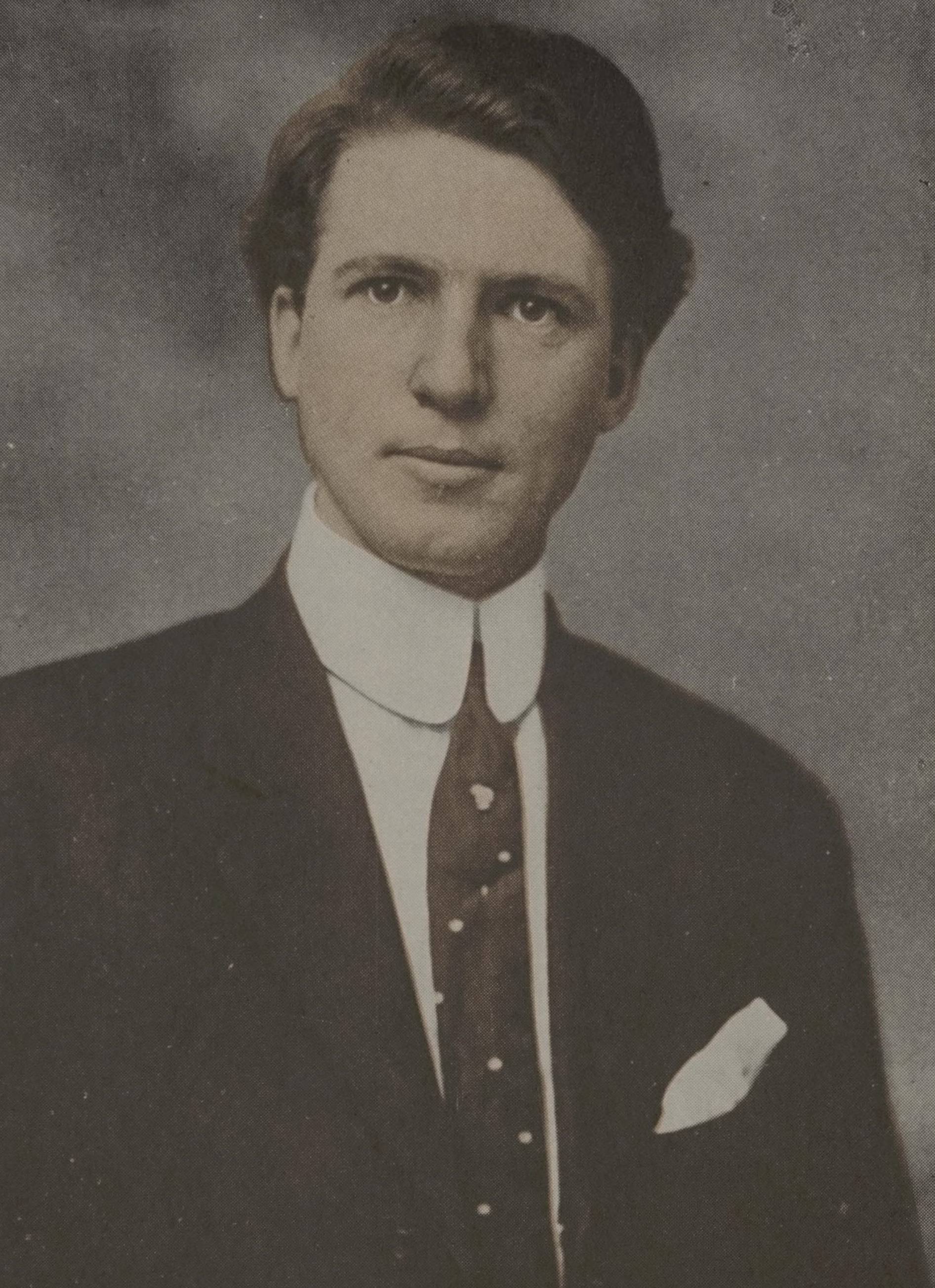
Alice A. Ball was a pioneering African American chemist whose groundbreaking work in the early 20th century significantly advanced the treatment of leprosy. She developed the 'Ball Method,' a technique for creating ethyl ester derivatives of chaulmoogra oil, which became the standard treatment for the disease before the advent of antibiotics. Ball's innovative approach not only showcased her scientific acumen but also marked a significant contribution to medical chemistry at a time when women and people of color faced substantial barriers in the field. Born in Seattle, Washington, Ball became the first woman and the first African American to earn a master's degree from the University of Hawaiʻi. She also made history as the university's first female and African American chemistry professor. Despite her remarkable achievements, Ball's contributions remained largely unrecognized during her lifetime, and she tragically passed away at the young age of 24. It was only decades later that her work was acknowledged, highlighting the importance of her legacy in both science and the fight for recognition of minority contributions in academia and medicine.
Famous Quotes
View all 1 quotes“This was my day for thinking of things too late. I wasn’t much for reading though.”
Books from the author



Link to this page
Add a free, dofollow link to Lex on your blog, forum, syllabus, or reading list.

<a href="https://lex-books.com/author/alice-a-ball"><img src="https://lex-books.com/badges/read-on-lex.svg" alt="Alice A. Ball on Lex" width="160" height="40"></a>[](https://lex-books.com/author/alice-a-ball)[url=https://lex-books.com/author/alice-a-ball][img]https://lex-books.com/badges/read-on-lex.svg[/img][/url]Alice A. Ball on Lex: https://lex-books.com/author/alice-a-ball