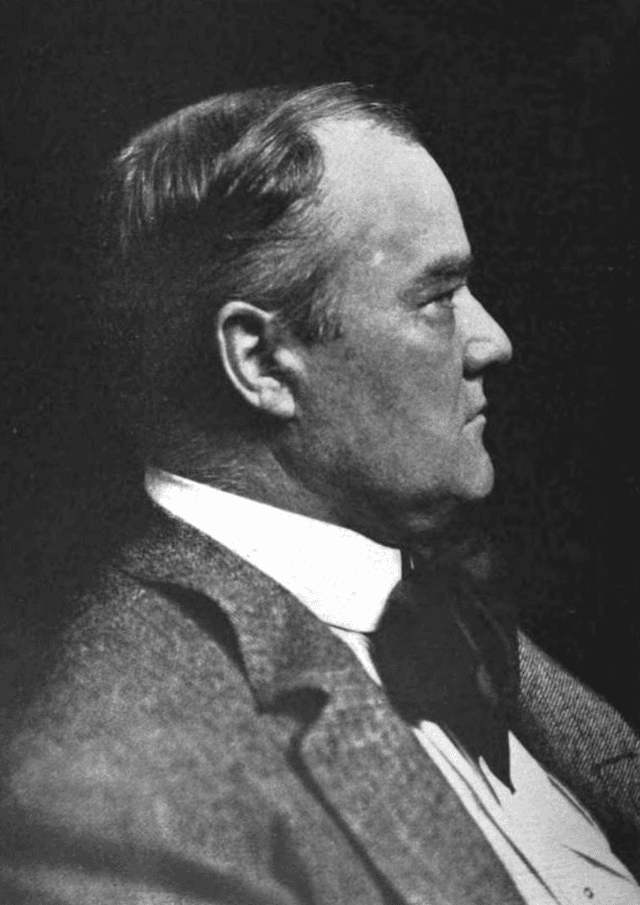
Alfred Henry Lewis
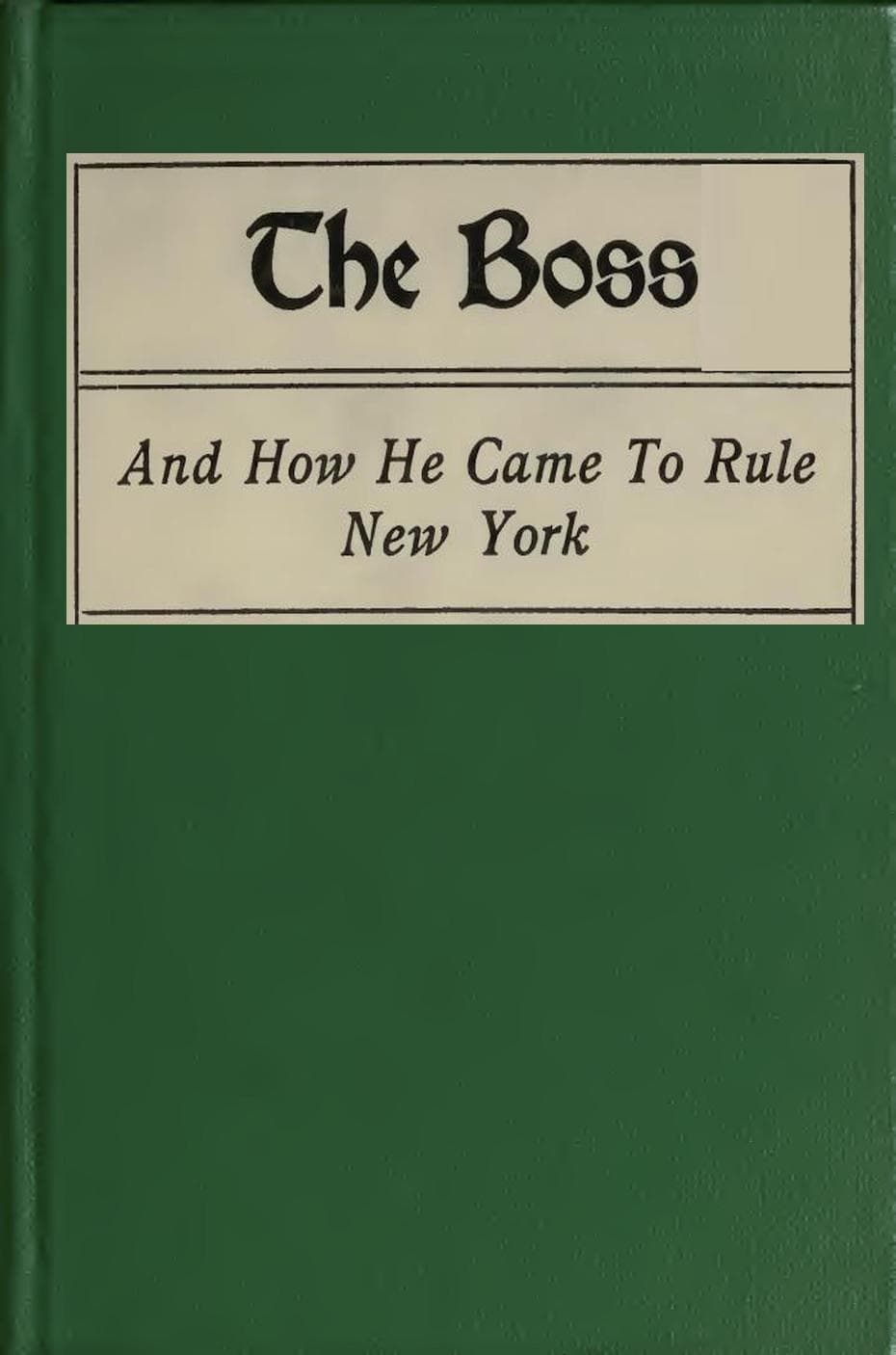
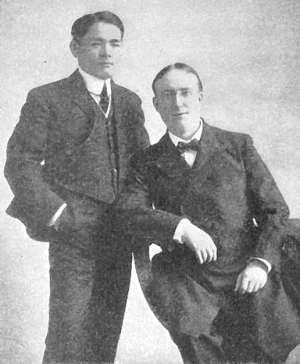
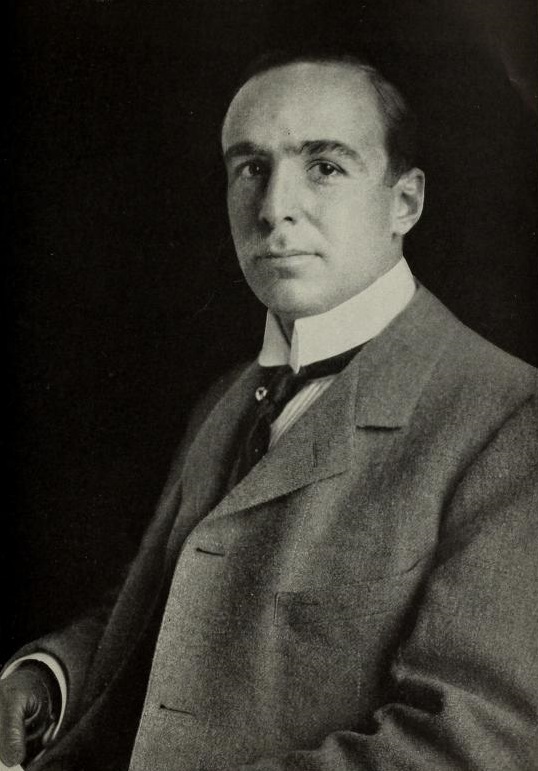
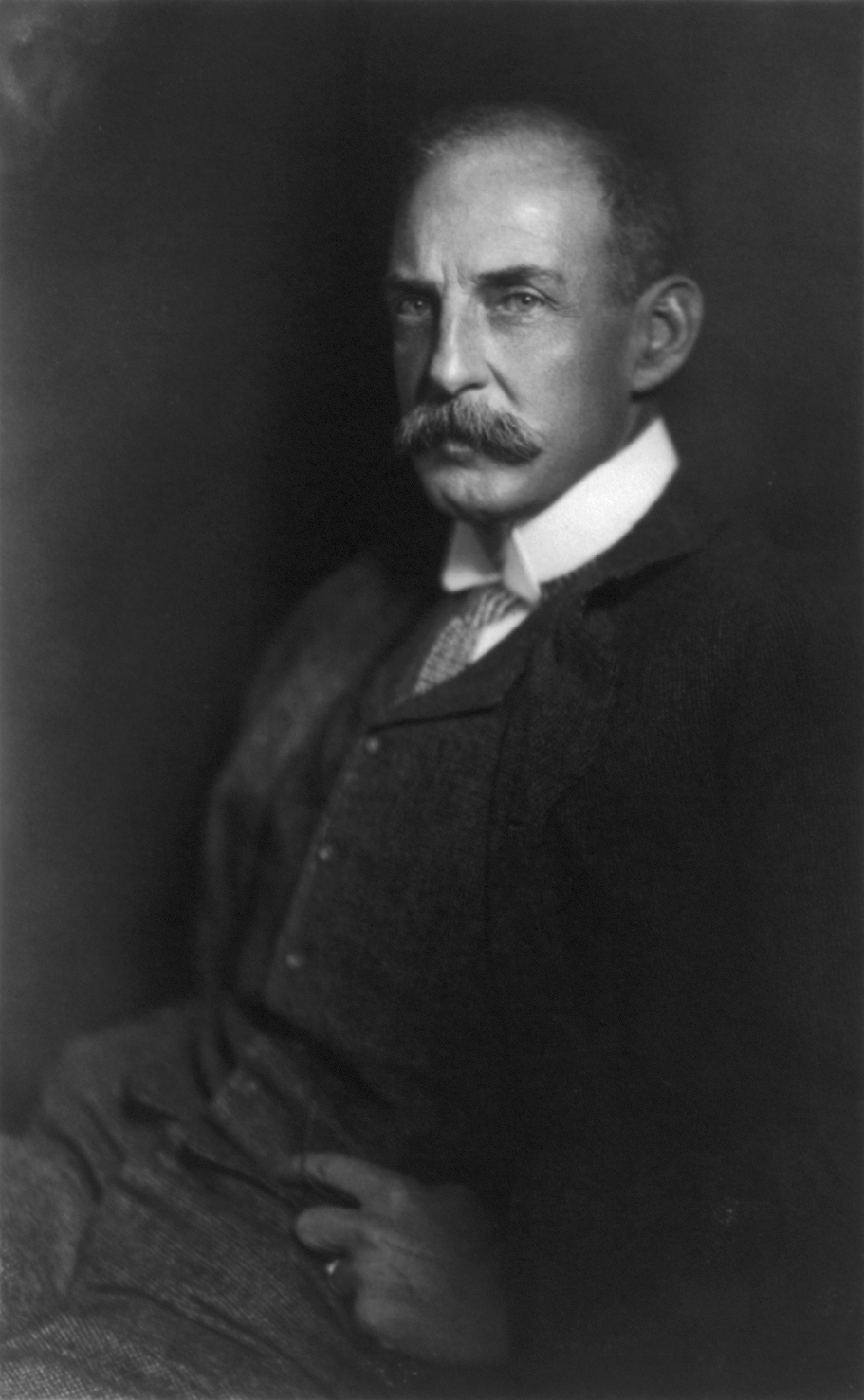
Alfred Henry Lewis was an influential American investigative journalist, lawyer, and novelist known for his vivid storytelling and sharp social commentary. He began his career in journalism, where his investigative pieces often exposed corruption and injustice, earning him a reputation as a fearless reporter. Lewis's literary works, including notable novels such as 'Wolfville' and 'The Boss,' showcased his keen observations of American life and the complexities of human nature. His writing often reflected the tumultuous social landscape of his time, blending elements of realism with a touch of humor and satire. In addition to his novels, Lewis was a prolific editor and short story writer, contributing to various publications and leaving a significant mark on American literature. His use of the pseudonym Dan Quin allowed him to explore different styles and themes, further diversifying his literary output. Lewis's legacy lies in his ability to capture the essence of the American experience during a transformative era, influencing future generations of writers and journalists who sought to blend narrative and social critique in their work.
Famous Quotes
View all 3 quotes“Badgers is big people an' strong as ponies too. An' obdurate! Son, a badger is that decided an' set in his way that sech feather-blown things as hills is excitable an' vacillatin' by comparison.”
“Speakin' of the Jones an' Plummer trail, I once hears a dance-hall girl who volunteers some songs over in a Tucson hurdygurdy, an' that maiden sort o' dims my sights some. First, she gives us The Dying Ranger, the same bein' enough of itse'f to start a sob or two; speshul when folks is, as Colonel Sterett says, 'a leetle drinkin'.' Then when the public clamours for more she sings something which begins: "'Thar's many a boy who once follows the herds, On the Jones an' Plummer trail; Some dies of drink an' some of lead, An' some over kyards, an' none in bed; But they're dead game sports, so with naught but good words, We gives 'em "Farewell an' hail."' "Son, this sonnet brings down mem'ries; and they so stirs me I has to vamos that hurdygurdy to keep my emotions from stampedin' into tears. Shore, thar's soft spots in me the same as in oilier gents; an' that melody a-makin' of references to the old Jones an' Plummer days comes mighty clost to meltin' everything about me but my guns an' spurs.”
“I partakes of that dog—some. I don't nacherally lay for said repast wide-jawed, full-toothed an' reemorseless, like it's flapjacks—I don't gorge myse'f none; but when I'm in Rome, I strings my chips with the Romans like the good book says, an' so I sort o' eats baked dog with the Utes.”
Books from the author

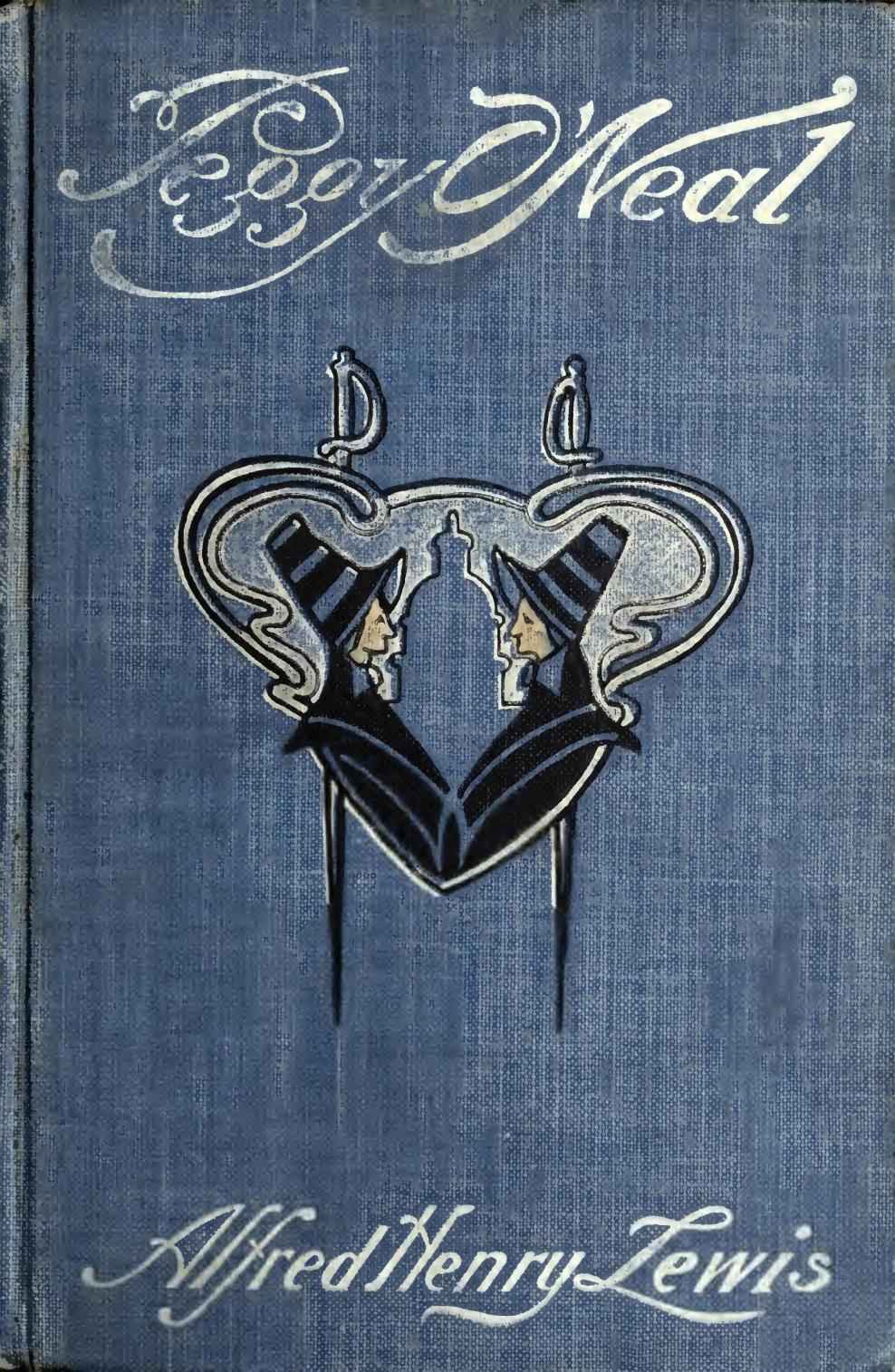


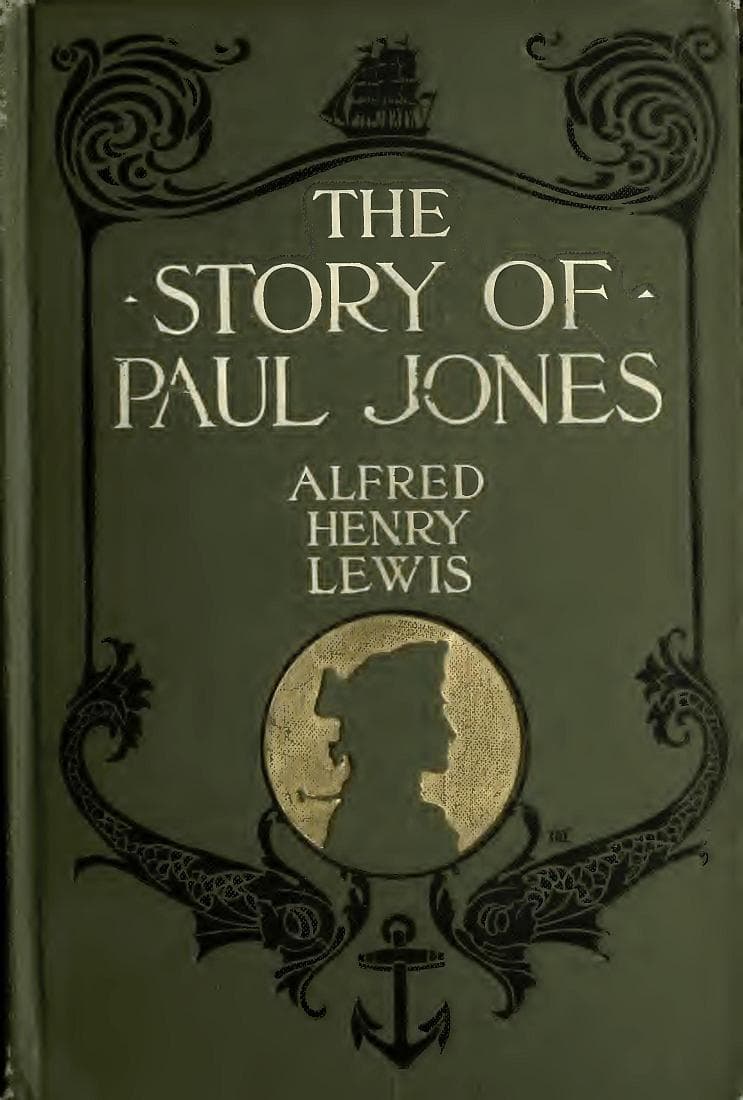





Link to this page
Add a free, dofollow link to Lex on your blog, forum, syllabus, or reading list.

<a href="https://lex-books.com/author/alfred-henry-lewis"><img src="https://lex-books.com/badges/read-on-lex.svg" alt="Alfred Henry Lewis on Lex" width="160" height="40"></a>[](https://lex-books.com/author/alfred-henry-lewis)[url=https://lex-books.com/author/alfred-henry-lewis][img]https://lex-books.com/badges/read-on-lex.svg[/img][/url]Alfred Henry Lewis on Lex: https://lex-books.com/author/alfred-henry-lewis