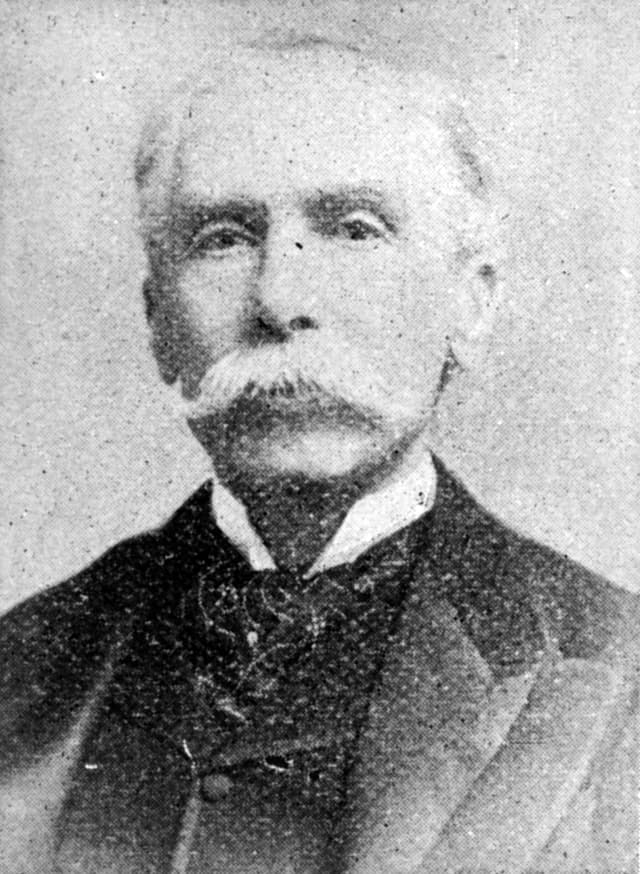
Alfred Austin
Alfred Austin was an English poet best known for his tenure as Poet Laureate, a position he assumed in 1896 following the death of Alfred Lord Tennyson. His appointment came during a time when other candidates had either sparked controversy or declined the honor, leading to speculation that his political support for Conservative leader Lord Salisbury influenced the decision. Despite this prestigious role, Austin's poetry has largely faded from public memory, with his most recognized works being prose idylls that celebrate the beauty of nature. Critics, including Wilfred Scawen Blunt, noted a dissonance between Austin's intellectual capabilities and the perceived mediocrity of his poetic output, suggesting that his literary contributions did not match the expectations set by his scholarly background. Austin's legacy is marked by the contrast between his official recognition and the lack of lasting impact his works have had on the literary landscape. While he was a contemporary of significant literary figures and engaged with the cultural and political currents of his time, his poetry did not achieve the same enduring acclaim. Nevertheless, his role as Poet Laureate reflects a unique moment in literary history, illustrating the complexities of literary merit and political influence in the Victorian era.
Famous Quotes
View all 3 quotes“Show me your garden and I shall tell you what you are.”
“The glory of gardening: hands in the dirt, head in the sun, heart with nature. To nurture a garden is to feed not just the body, but the soul”
“We come from the earth, we return to the earth, and in between we garden.”
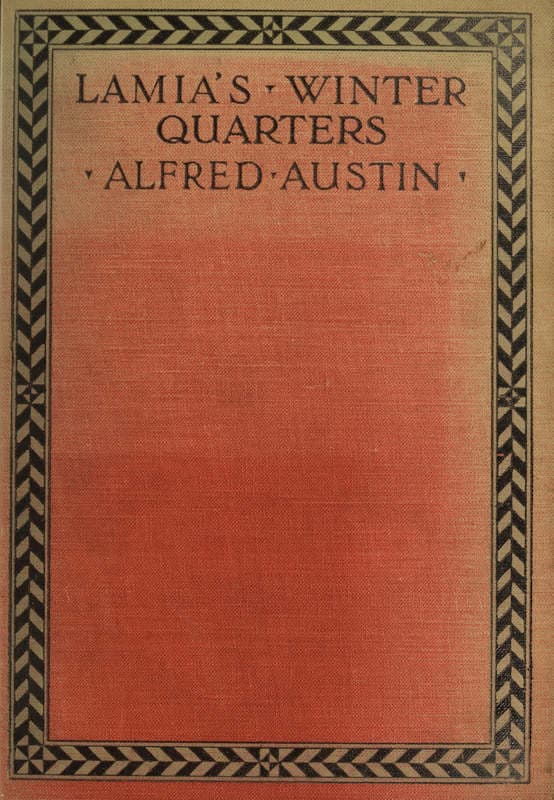
Books from the author



Link to this page
Add a free, dofollow link to Lex on your blog, forum, syllabus, or reading list.

<a href="https://lex-books.com/author/alfred-austin"><img src="https://lex-books.com/badges/read-on-lex.svg" alt="Alfred Austin on Lex" width="160" height="40"></a>[](https://lex-books.com/author/alfred-austin)[url=https://lex-books.com/author/alfred-austin][img]https://lex-books.com/badges/read-on-lex.svg[/img][/url]Alfred Austin on Lex: https://lex-books.com/author/alfred-austin