
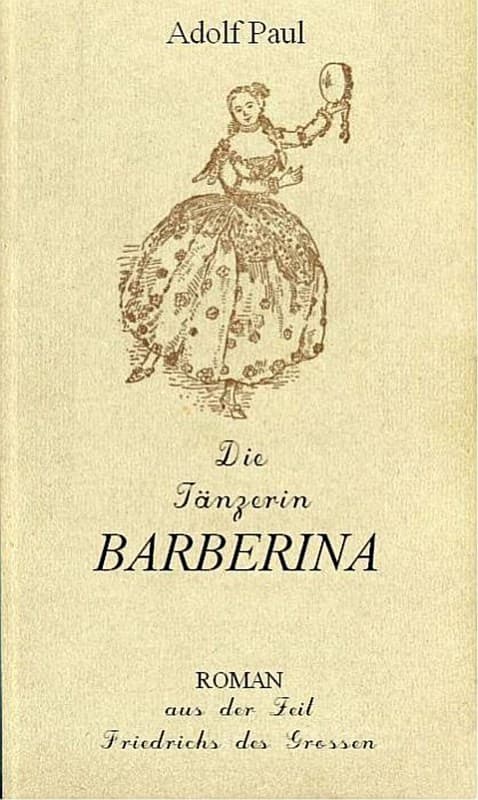
Adolf Paul
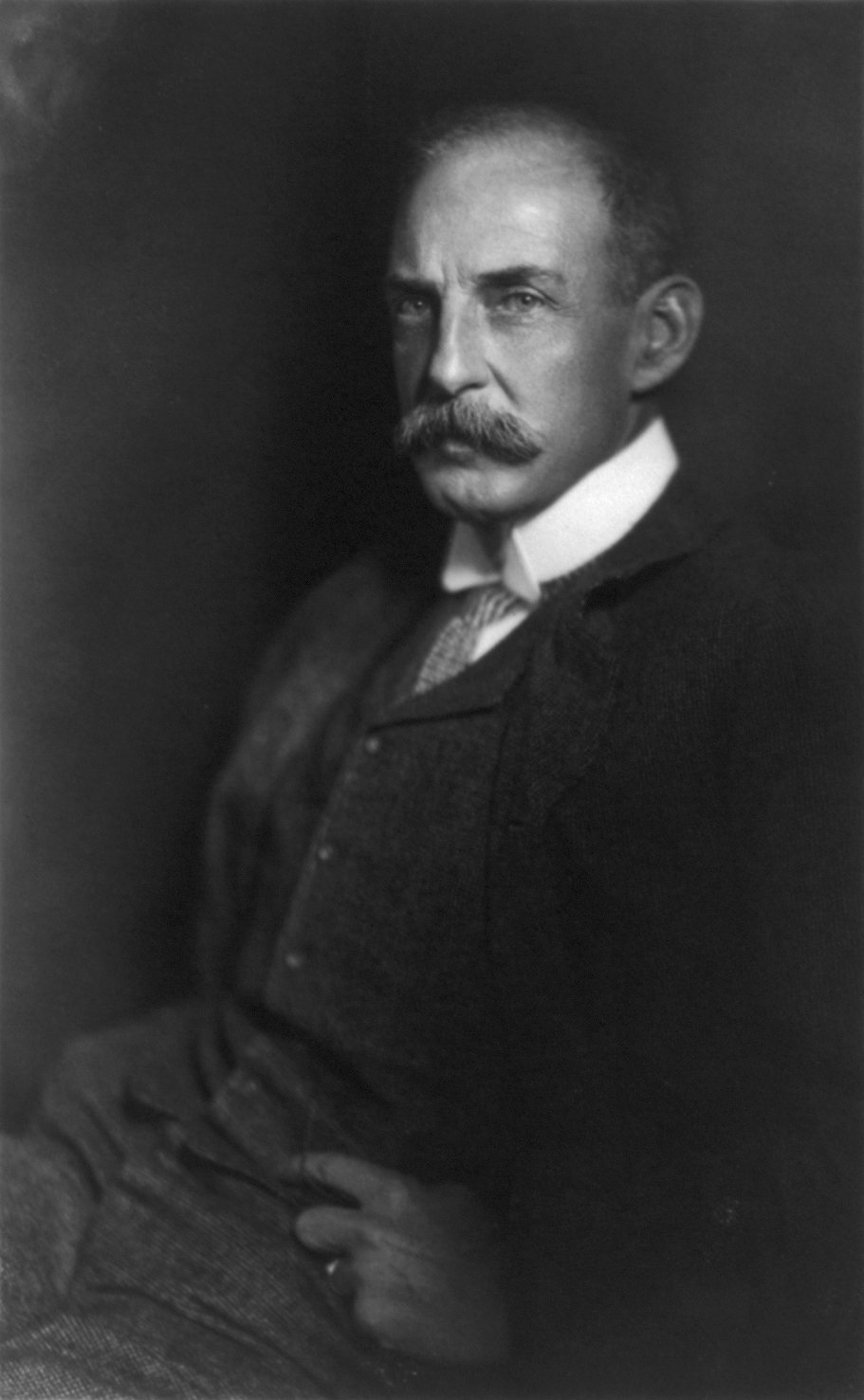
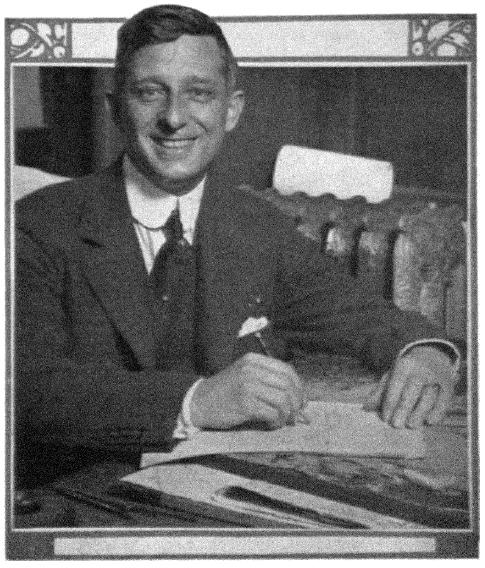
Adolf Paul was a Swedish novelist and playwright, known for his contributions to early 20th-century literature. He spent much of his adult life in Berlin, where he mingled with prominent cultural figures such as August Strindberg, Jean Sibelius, Edvard Munch, and Akseli Gallen-Kallela. His works often explored themes of human experience and societal issues, reflecting the complexities of life during a tumultuous period in Europe. Paul's literary significance lies in his ability to blend narrative depth with a keen understanding of the human condition. His notable works include novels and plays that captured the spirit of his time, showcasing his unique voice and perspective. Through his friendships with influential artists and writers, he contributed to the rich tapestry of European art and literature, leaving a lasting impact on the cultural landscape of his era.
Famous Quotes
View all 6 quotes“IN 1925, MADISON GRANT’S The Passing of the Great Race was translated into German where it was read by a disgruntled corporal who had recently been sent to prison for his part in a riot against the government in Bavaria: Adolf Hitler. After reading the book, the 36-year-old revolutionary sent a fan letter to Grant: “This book is my Bible,” he wrote. During his nine months in prison, Hitler had read several books by American eugenicists, calling his prison stay “his university.” Hitler would soon launch a national movement that would forever damn the field of eugenics to the lower reaches of hell. But, despite popular belief, what was about to happen in Germany didn’t start on a rallying stand in Munich; it started in a law office in New York City.””
“The sensational event of the ancient world was the mobilisation of the underworld against the established order. This enterprise of Christianity had no more to do with religion than Marxist socialism has to do with the solution of the social problem. The notions represented by Jewish Christianity were strictly unthinkable to Roman brains. The ancient world had a liking for clarity. Scientific research was encouraged there. The gods, for the Romans, were familiar images. It is some what difficult to know whether they had any exact idea of the Beyond. For them, eternal life was personified in living beings, and it consisted in a perpetual renewal. Those were conceptions fairly close to those which were current amongst the Japanese and Chinese at the time when the Swastika made its appearance amongst them.It was necessary for the Jew to appear on the scene and introduce that mad conception of a life that continues into an alleged Beyond! It enables one to regard life as a thing that is negligible here below”
“To say that Madison Grant’s The Passing of the Great Race had influenced Adolf Hitler’s Mein Kampf would be an understatement; in some sections, Hitler had virtually plagiarized Grant’s book. For example, in The Passing of the Great Race, Grant wrote, “It has taken us fifty years to learn that speaking English, wearing good clothes and going to school and to church does not transform a Negro into a white man.” In Mein Kampf, Hitler wrote, “But it is a scarcely conceivable fallacy of thought to believe that a Negro or a Chinese, let us say, will turn into a German because he learns German and is willing to speak the German language.””
Books from the author



Link to this page
Add a free, dofollow link to Lex on your blog, forum, syllabus, or reading list.

<a href="https://lex-books.com/author/adolf-paul"><img src="https://lex-books.com/badges/read-on-lex.svg" alt="Adolf Paul on Lex" width="160" height="40"></a>[](https://lex-books.com/author/adolf-paul)[url=https://lex-books.com/author/adolf-paul][img]https://lex-books.com/badges/read-on-lex.svg[/img][/url]Adolf Paul on Lex: https://lex-books.com/author/adolf-paul