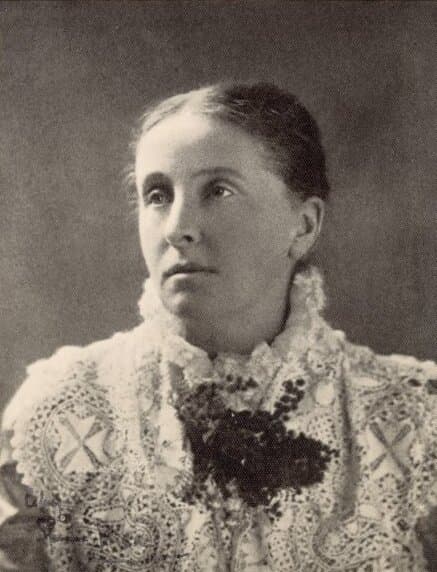
Ada Cambridge
Ada Cambridge was an English-born Australian writer who made significant contributions to literature in the late 19th and early 20th centuries. She authored over 25 works of fiction, alongside three volumes of poetry and two autobiographical pieces. Many of her novels were serialized in Australian newspapers, showcasing her ability to engage readers through accessible formats, though they often did not see publication in book form. Cambridge's writing frequently explored themes of social issues, personal identity, and the complexities of human relationships, reflecting the evolving landscape of Australian society during her lifetime. Known to her friends and family as Ada Cross, she ultimately chose to use her maiden name for her literary career, establishing her identity as Ada Cambridge. Her works, characterized by their keen observations and emotional depth, contributed to the development of Australian literature, particularly in the context of women's writing. Cambridge's legacy endures as a pioneer for female authors in Australia, paving the way for future generations to explore their voices and experiences through literature.
Famous Quotes
View all 3 quotes“[Their marriage] will not be all cakes and ale.... They are too much alike to be the ideal match. Patty is thick-skinned and passionate, too ready to be hurt to the heart by the mere little pinpricks and mosquito bites of life; and Paul is proud and crotchety, and, like the great Napoleon, given to kick the fire with his boots when he is put out. There will be many little gusts of temper, little clouds of misunderstanding, disappointments, and bereavements, and sickness of mind and body; but with all this, they will find their lot so blessed, by reason of the mutual love and sympathy tat, through all the vicissitudes, will surely grow deeper and stronger every day they live together, that they will not know how to conceive a better one.”
“Oh yes, it was my Venice! Beautiful, With melancholy, ghostly beauty—old, And sorrowful, and weary—yet so fair, So like a queen still, with her royal robes, Full of harmonious colour, rent and worn!”
“Love is not a thing to be tied and bound.”
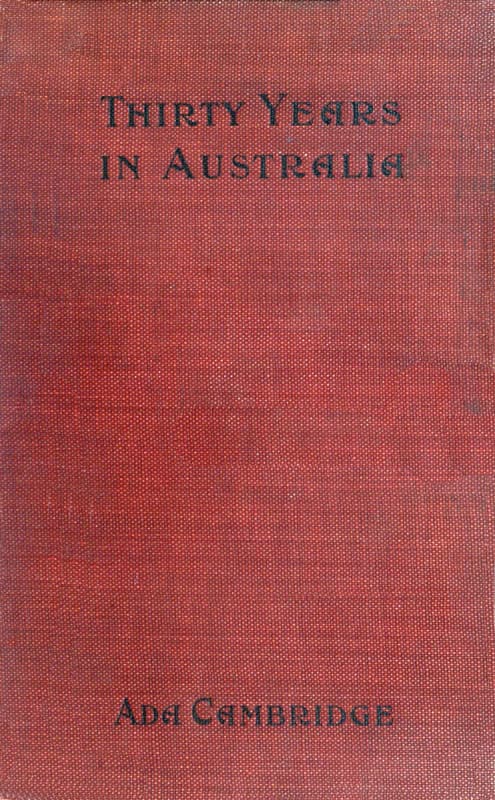
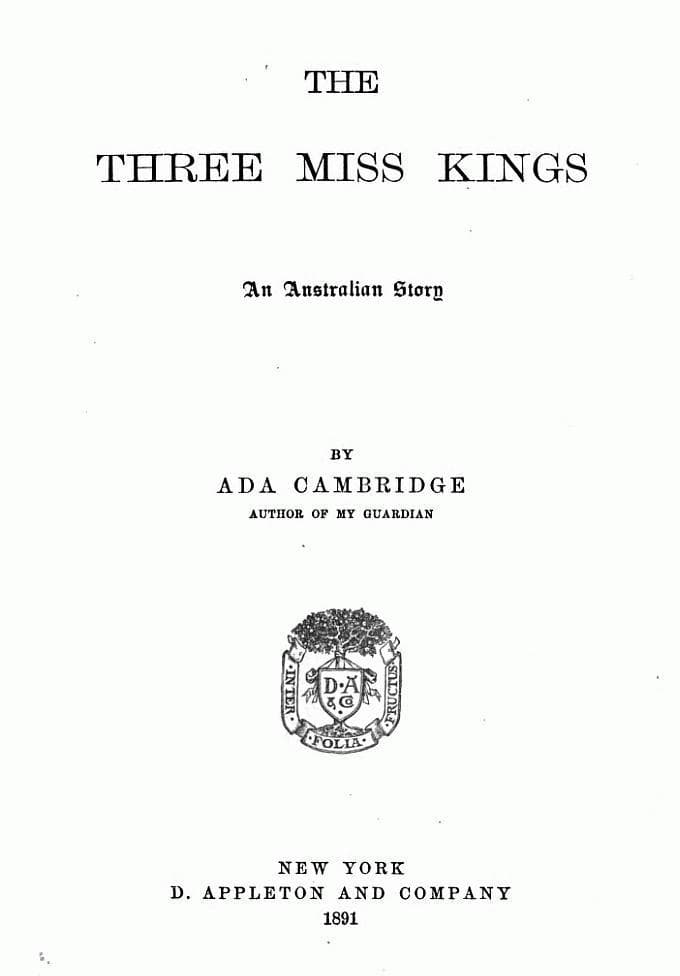
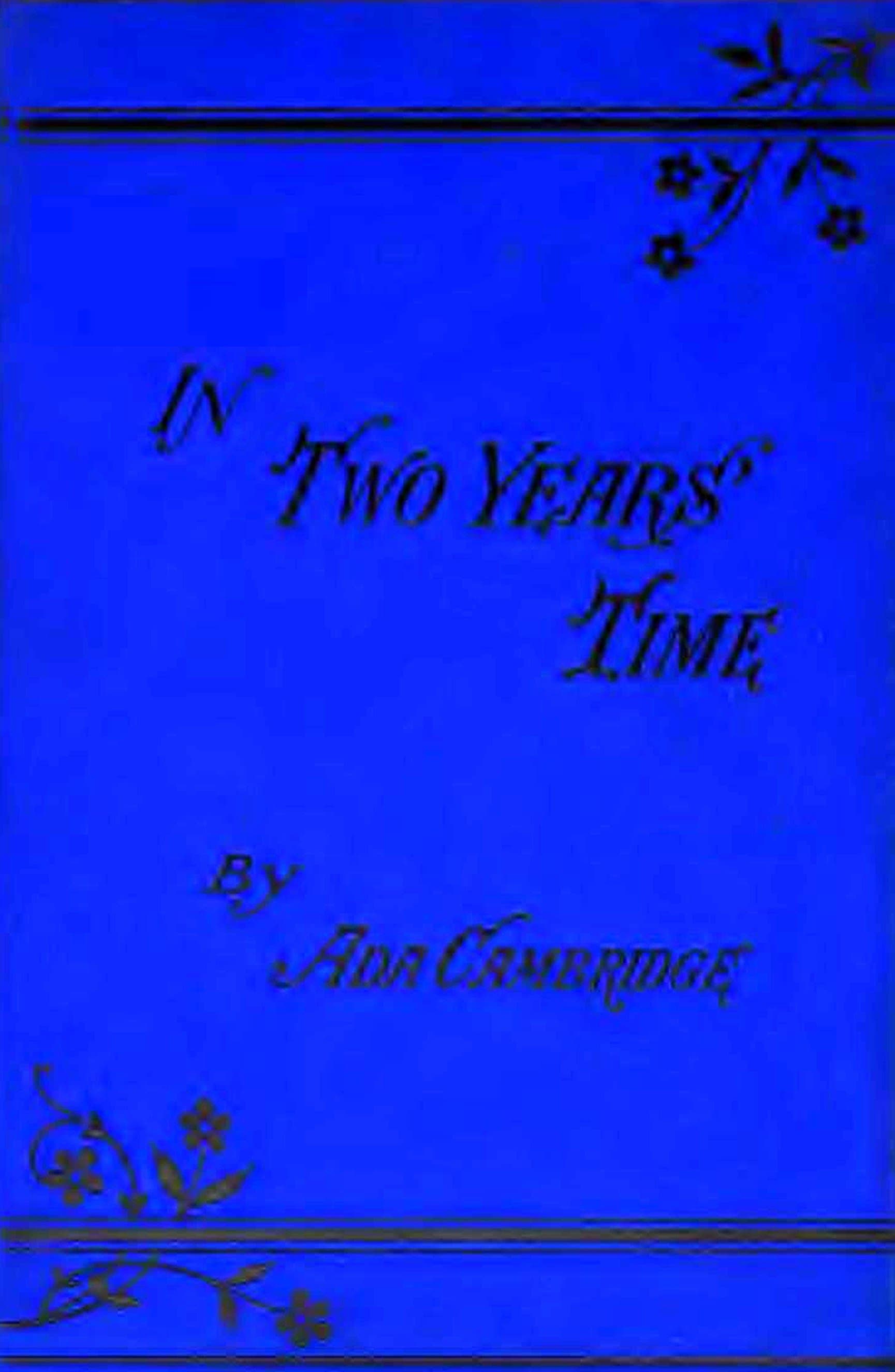
Books from the author



Link to this page
Add a free, dofollow link to Lex on your blog, forum, syllabus, or reading list.

<a href="https://lex-books.com/author/ada-cambridge"><img src="https://lex-books.com/badges/read-on-lex.svg" alt="Ada Cambridge on Lex" width="160" height="40"></a>[](https://lex-books.com/author/ada-cambridge)[url=https://lex-books.com/author/ada-cambridge][img]https://lex-books.com/badges/read-on-lex.svg[/img][/url]Ada Cambridge on Lex: https://lex-books.com/author/ada-cambridge