“Standing in the courtyard with a glass eye; only half the world is intelligible. The stones are wet and mossy and in the crevices are black toads. A big door bars the entrance to the cellar; the steps are slippery and soiled with bat dung. The door bulges and sags, the hinges are falling off, but there is an enameled sign on it, in perfect condition, which says: “Be sure to close the door.” Why close the door? I can’t make it out. I look again at the sign but it is removed; in it’s place there is a pane of colored glass. I take out my artificial eye, spit on it and polish it with my handkerchief. A woman is sitting on a dais above an immense carven desk; she has a snake around her neck. The entire room is lined with books and strange fish swimming in colored globes; there are maps and charts on the wall, maps of Paris before the plague, maps of the antique world, of Knossos and Carthage, of Carthage before and after the salting. In the corner of the room I see an iron bedstead and on it a corpse is lying; the woman gets up wearily, removes the corpse from the bed and absent mindedly throws it out the window. She returns to the huge carven desk, takes a goldfish from the bowl and swallows it. Slowly the room begins to revolve and one by one the continents slide into the sea; only the woman is left, but her body is a mass of geography. I lean out the window and the Eiffle Tower is fizzing champagne; it is built entirely of numbers and shrouded in black lace. The sewers are gurgling furiously. There are nothing but roofs everywhere, laid out with execrable geometric cunning.””
Quotes by Henry S. Salt
“He had trouble with his eyes and his lungs, and with insomnia and asthma; suffered from gout and rheumatoid arthritis; experienced dropsy, emphysema and at least one fainting fit; and in his seventies developed a malignant tumour on his left testicle. To combat these problems, he consumed a vast quantity of medicines: opium, oil of terebinth, valerian, ipecacuanha, dried orange peel in hot red port, salts of hartshorn, musk, dried squills, and Spanish fly. He was frequently bled, for complaints as disparate as flatulence and an eye infection. Yet Johnson’s most enduring malady was mental. Throughout his life he suffered from a profound melancholy which periodically surged towards madness. It was this, much more than any other ailment, that blighted his middle years. No””
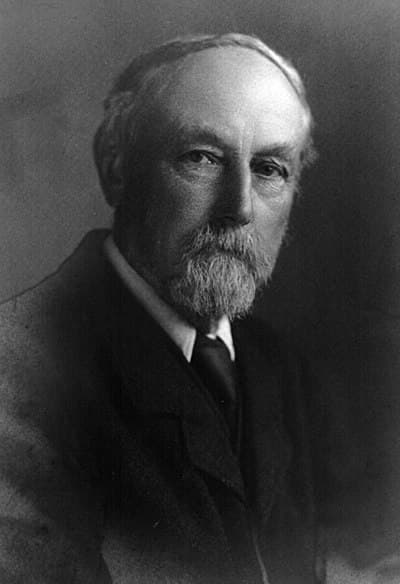 Henry S. Salt
Henry S. Salt was a British writer and social reformer renowned for his advocacy in various social issues, including the treatment of animals, education, and prison reform. A prominent ethical vegetar...