Wild and romantic: Early guides to the English lake district
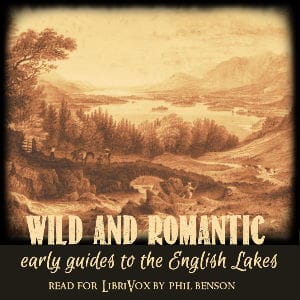
This is where the romantic imagination of nature was born. Before Thomas West's guide transformed the Lake District into a pilgrimage site for poets and painters, three travelers made their own journeys through these Cumbrian mountains and waters, each seeing something different in the wild landscape. Thomas Gray, the poet who would later transform English elegy, traveled from Brough to Kendal in 1769, leaving behind letters that crackle with the dawning sense that landscape itself could be a source of sublime feeling. Arthur Young, the agricultural reformer, began with dry observations about farming in northern Cumberland, but something shifted when he reached Keswick. His pen turned to the dramatic scenery around Derwent Water, Ullswater, and Windermere, coining the phrase that would become the region's nickname: wild and romantic. Yet even Young couldn't entirely abandon his economic eye, declaring the enclosed pastures around Kendal and Windermere the most picturesque of all. Thomas Pennant, remarkably, seems to have noticed nothing of the lakes or mountains at all. Together, these accounts trace the moment when the English began to see nature not as resource but as revelation.
Editions

Link to this book
Add a free, dofollow link to Lex on your blog, forum, syllabus, or reading list.

<a href="https://lex-books.com/book/wild-and-romantic-early-guides-to-the-english-lake-district-22e0ba01-fe4e-4f98-b0e3-9af53f3a9b70"><img src="https://lex-books.com/badges/read-on-lex.svg" alt="Read Wild and romantic: Early guides to the English lake district by John Brown free on Lex" width="160" height="40"></a>[](https://lex-books.com/book/wild-and-romantic-early-guides-to-the-english-lake-district-22e0ba01-fe4e-4f98-b0e3-9af53f3a9b70)[url=https://lex-books.com/book/wild-and-romantic-early-guides-to-the-english-lake-district-22e0ba01-fe4e-4f98-b0e3-9af53f3a9b70][img]https://lex-books.com/badges/read-on-lex.svg[/img][/url]Read Wild and romantic: Early guides to the English lake district by John Brown free on Lex: https://lex-books.com/book/wild-and-romantic-early-guides-to-the-english-lake-district-22e0ba01-fe4e-4f98-b0e3-9af53f3a9b70Cite this book
Reading this edition for a paper or guide? Copy a citation.
Brown, John. Wild and romantic: Early guides to the English lake district. Lex, lex-books.com/book/wild-and-romantic-early-guides-to-the-english-lake-district-22e0ba01-fe4e-4f98-b0e3-9af53f3a9b70.Brown, J. (n.d.). Wild and romantic: Early guides to the English lake district. Lex. https://lex-books.com/book/wild-and-romantic-early-guides-to-the-english-lake-district-22e0ba01-fe4e-4f98-b0e3-9af53f3a9b70Brown, John. Wild and romantic: Early guides to the English lake district. Lex. https://lex-books.com/book/wild-and-romantic-early-guides-to-the-english-lake-district-22e0ba01-fe4e-4f98-b0e3-9af53f3a9b70.