Wagner, the Wehr-Wolf

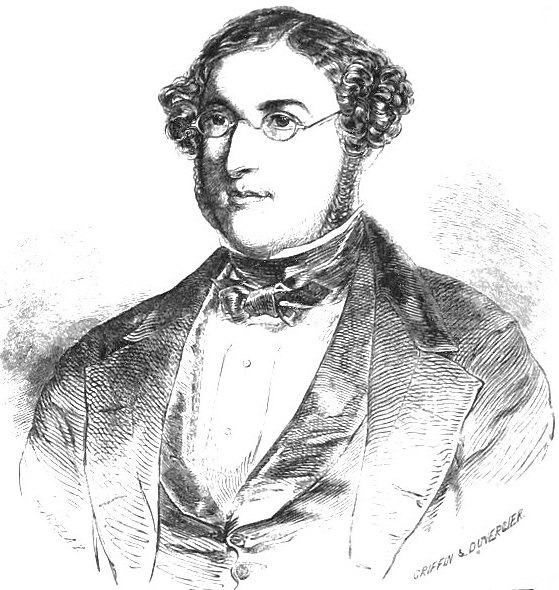
Before Bram Stoker gave us Dracula, George W. M. Reynolds gave us Wagner: a shepherd so desperate to escape poverty and loneliness that he bargains with the devil himself. The contract is simple: youth, wealth, and a beautiful estate in Renaissance Italy. The price is monstrous. Once each month, at the hunter's moon, Wagner transforms into a wehr-wolf, a creature of savage hunger with no memory of his human life. What begins as a Faustian bargain becomes a meditation on the beast within, as Wagner's transformations grow more frequent and more deadly. Set against the turbulent backdrop of 16th-century Italy, with its warring princes and decadent courts, this is Gothic horror at its most visceral and unapologetic. Murder, kidnap, robbery, and sadistic nuns populate a narrative that made Reynolds the most famous penny dreadful writer of Victorian England. It endures because it understands something primal: the terror of losing oneself, the terrible seduction of the Faustian bargain, and the darkness that lurks beneath the surface of respectability.
Editions

Link to this book
Add a free, dofollow link to Lex on your blog, forum, syllabus, or reading list.

<a href="https://lex-books.com/book/wagner-the-wehr-wolf-073c0c24-618a-4040-ba7a-504eaf165fdc"><img src="https://lex-books.com/badges/read-on-lex.svg" alt="Read Wagner, the Wehr-Wolf by George W. M. Reynolds free on Lex" width="160" height="40"></a>[](https://lex-books.com/book/wagner-the-wehr-wolf-073c0c24-618a-4040-ba7a-504eaf165fdc)[url=https://lex-books.com/book/wagner-the-wehr-wolf-073c0c24-618a-4040-ba7a-504eaf165fdc][img]https://lex-books.com/badges/read-on-lex.svg[/img][/url]Read Wagner, the Wehr-Wolf by George W. M. Reynolds free on Lex: https://lex-books.com/book/wagner-the-wehr-wolf-073c0c24-618a-4040-ba7a-504eaf165fdcCite this book
Reading this edition for a paper or guide? Copy a citation.
Reynolds, George W. M.. Wagner, the Wehr-Wolf. Lex, lex-books.com/book/wagner-the-wehr-wolf-073c0c24-618a-4040-ba7a-504eaf165fdc.Reynolds, G. W. M. (n.d.). Wagner, the Wehr-Wolf. Lex. https://lex-books.com/book/wagner-the-wehr-wolf-073c0c24-618a-4040-ba7a-504eaf165fdcReynolds, George W. M.. Wagner, the Wehr-Wolf. Lex. https://lex-books.com/book/wagner-the-wehr-wolf-073c0c24-618a-4040-ba7a-504eaf165fdc.