Vocation of the Scholar

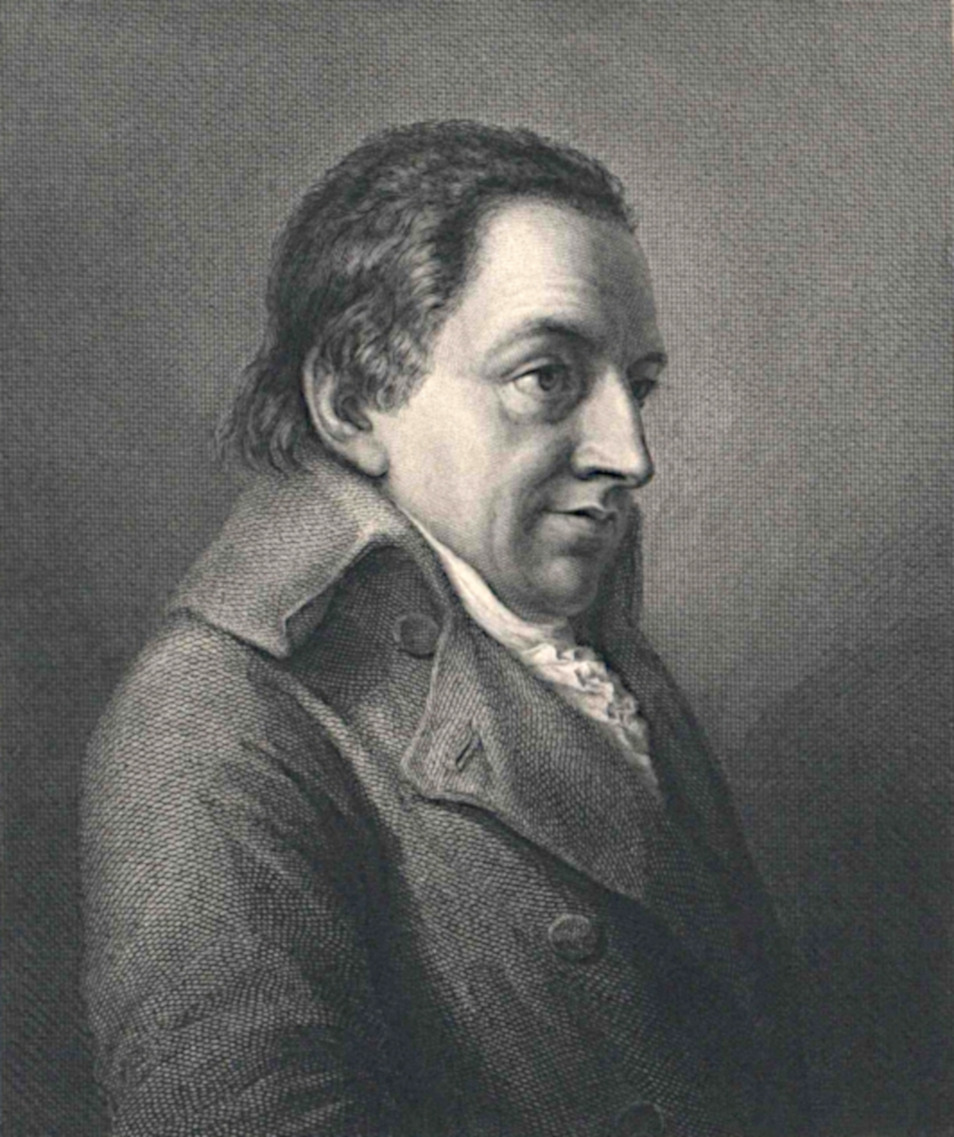
In the summer of 1794, at the height of the French Revolution's shockwaves across Europe, a newly appointed professor at Jena University delivered five lectures that would help ignite a philosophical revolution of its own. Fichte does not merely expound abstract philosophy, he issues a thundering summons to every thinking person. The scholar's vocation, he argues, is no idle academic pursuit of knowledge for its own elegant sake. Understanding carries moral weight: the person who truly grasps something is thereby obligated to use that understanding for the advancement of all humanity. This conviction, that knowing and doing are inseparable, that the life of the mind is a form of moral practice, runs through every page like a current. Fichte also develops his revolutionary account of self-consciousness, showing how the I posits itself through its own activity, a radical move beyond Kant that paved the way for Hegel. These lectures remain a passionate defense of intellectual seriousness: an insistence that ideas have consequences, that thinkers bear responsibility, and that philosophy must justify its existence through its contribution to human flourishing.
Editions

Read by
Group Narration
3 readers
Craig Campbell, John Van Stan, Lucretia B.
Link to this book
Add a free, dofollow link to Lex on your blog, forum, syllabus, or reading list.

<a href="https://lex-books.com/book/vocation-of-the-scholar-17d692d5-f9eb-44d4-84d0-c3ae24fed0b1"><img src="https://lex-books.com/badges/read-on-lex.svg" alt="Read Vocation of the Scholar by Johann Gottlieb Fichte free on Lex" width="160" height="40"></a>[](https://lex-books.com/book/vocation-of-the-scholar-17d692d5-f9eb-44d4-84d0-c3ae24fed0b1)[url=https://lex-books.com/book/vocation-of-the-scholar-17d692d5-f9eb-44d4-84d0-c3ae24fed0b1][img]https://lex-books.com/badges/read-on-lex.svg[/img][/url]Read Vocation of the Scholar by Johann Gottlieb Fichte free on Lex: https://lex-books.com/book/vocation-of-the-scholar-17d692d5-f9eb-44d4-84d0-c3ae24fed0b1Cite this book
Reading this edition for a paper or guide? Copy a citation.
Fichte, Johann Gottlieb. Vocation of the Scholar. Lex, lex-books.com/book/vocation-of-the-scholar-17d692d5-f9eb-44d4-84d0-c3ae24fed0b1.Fichte, J. G. (n.d.). Vocation of the Scholar. Lex. https://lex-books.com/book/vocation-of-the-scholar-17d692d5-f9eb-44d4-84d0-c3ae24fed0b1Fichte, Johann Gottlieb. Vocation of the Scholar. Lex. https://lex-books.com/book/vocation-of-the-scholar-17d692d5-f9eb-44d4-84d0-c3ae24fed0b1.