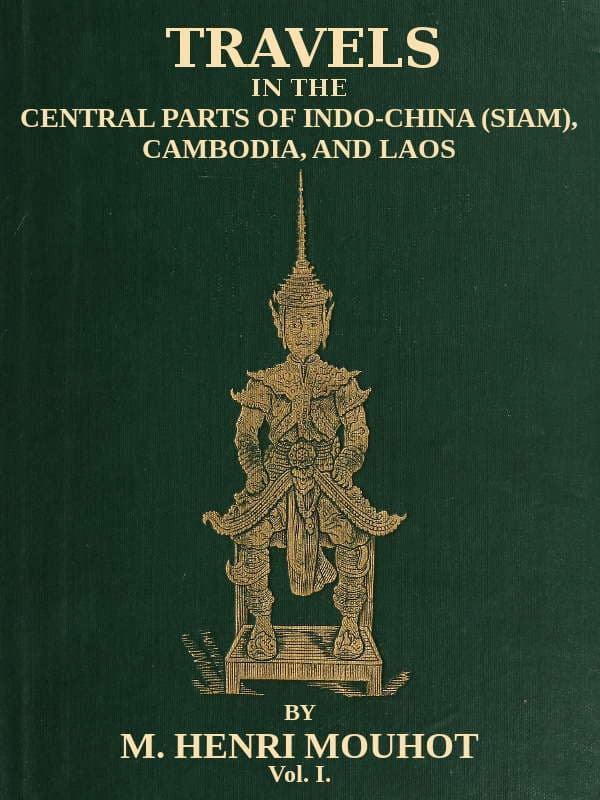
Travels in the Central Parts of Indo-China (Siam), Cambodia and Laos During the Years 1858, 1859 and 1860
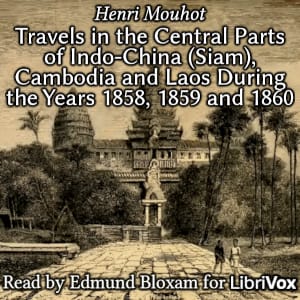
Travels in the Central Parts of Indo-China (Siam), Cambodia and Laos During the Years 1858, 1859 and 1860
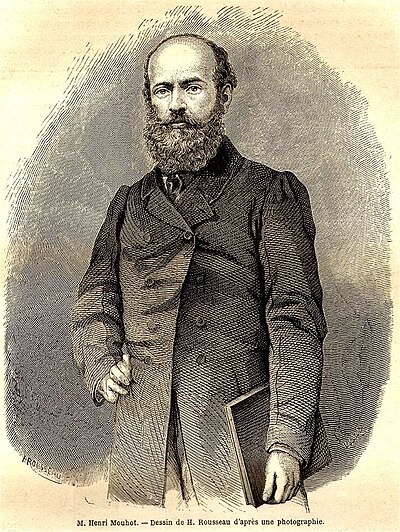
In 1858, a French naturalist named Henri Mouhot embarked on a journey that would change the world's understanding of Southeast Asia forever. Traveling through Siam, Cambodia, and Laos at a time when these lands were virtually unknown to Western eyes, Mouhot documented everything from the daily rhythms of village life to the breathtaking scale of ancient Khmer temples. His account reads less like a Victorian travelogue and more like a man possessed: the jungle walls parting to reveal towers of carved stone rising seventy meters into the tropical air, the silence of Angkor broken only by birdsong and his own disbelief. Mouhot was the first modern European to truly see Angkor Wat and describe it to the outside world, and his posthumously published journals sparked a fascination with the temple that endures today. Beyond the archaeology, his pages capture a region on the cusp of transformation, observing customs, ecosystems, and peoples who had little contact with the West. He died in Laos in 1861, but his words survived to launch a hundred expeditions. For readers drawn to the birth of exploration, the romance of lost civilizations, or the origins of our modern obsession with Angkor, this is the essential starting point.
Editions

Link to this book
Add a free, dofollow link to Lex on your blog, forum, syllabus, or reading list.

<a href="https://lex-books.com/book/travels-in-the-central-parts-of-indo-china-siam-cambodia-and-laos-during-the-yea-5a6fbb18-886d-4873-ab14-75027485ec66"><img src="https://lex-books.com/badges/read-on-lex.svg" alt="Read Travels in the Central Parts of Indo-China (Siam), Cambodia and Laos During the Years 1858, 1859 and 1860 by Henri Mouhot free on Lex" width="160" height="40"></a>[](https://lex-books.com/book/travels-in-the-central-parts-of-indo-china-siam-cambodia-and-laos-during-the-yea-5a6fbb18-886d-4873-ab14-75027485ec66)[url=https://lex-books.com/book/travels-in-the-central-parts-of-indo-china-siam-cambodia-and-laos-during-the-yea-5a6fbb18-886d-4873-ab14-75027485ec66][img]https://lex-books.com/badges/read-on-lex.svg[/img][/url]Read Travels in the Central Parts of Indo-China (Siam), Cambodia and Laos During the Years 1858, 1859 and 1860 by Henri Mouhot free on Lex: https://lex-books.com/book/travels-in-the-central-parts-of-indo-china-siam-cambodia-and-laos-during-the-yea-5a6fbb18-886d-4873-ab14-75027485ec66Cite this book
Reading this edition for a paper or guide? Copy a citation.
Mouhot, Henri. Travels in the Central Parts of Indo-China (Siam), Cambodia and Laos During the Years 1858, 1859 and 1860. Lex, lex-books.com/book/travels-in-the-central-parts-of-indo-china-siam-cambodia-and-laos-during-the-yea-5a6fbb18-886d-4873-ab14-75027485ec66.Mouhot, H. (n.d.). Travels in the Central Parts of Indo-China (Siam), Cambodia and Laos During the Years 1858, 1859 and 1860. Lex. https://lex-books.com/book/travels-in-the-central-parts-of-indo-china-siam-cambodia-and-laos-during-the-yea-5a6fbb18-886d-4873-ab14-75027485ec66Mouhot, Henri. Travels in the Central Parts of Indo-China (Siam), Cambodia and Laos During the Years 1858, 1859 and 1860. Lex. https://lex-books.com/book/travels-in-the-central-parts-of-indo-china-siam-cambodia-and-laos-during-the-yea-5a6fbb18-886d-4873-ab14-75027485ec66.