Travels and Discoveries in North and Central Africa, Vol. 3 (of 5): Being a Journal of an Expedition Undertaken Under the Auspices of H.b.m.'S Government, in the Years 1849-1855
1857
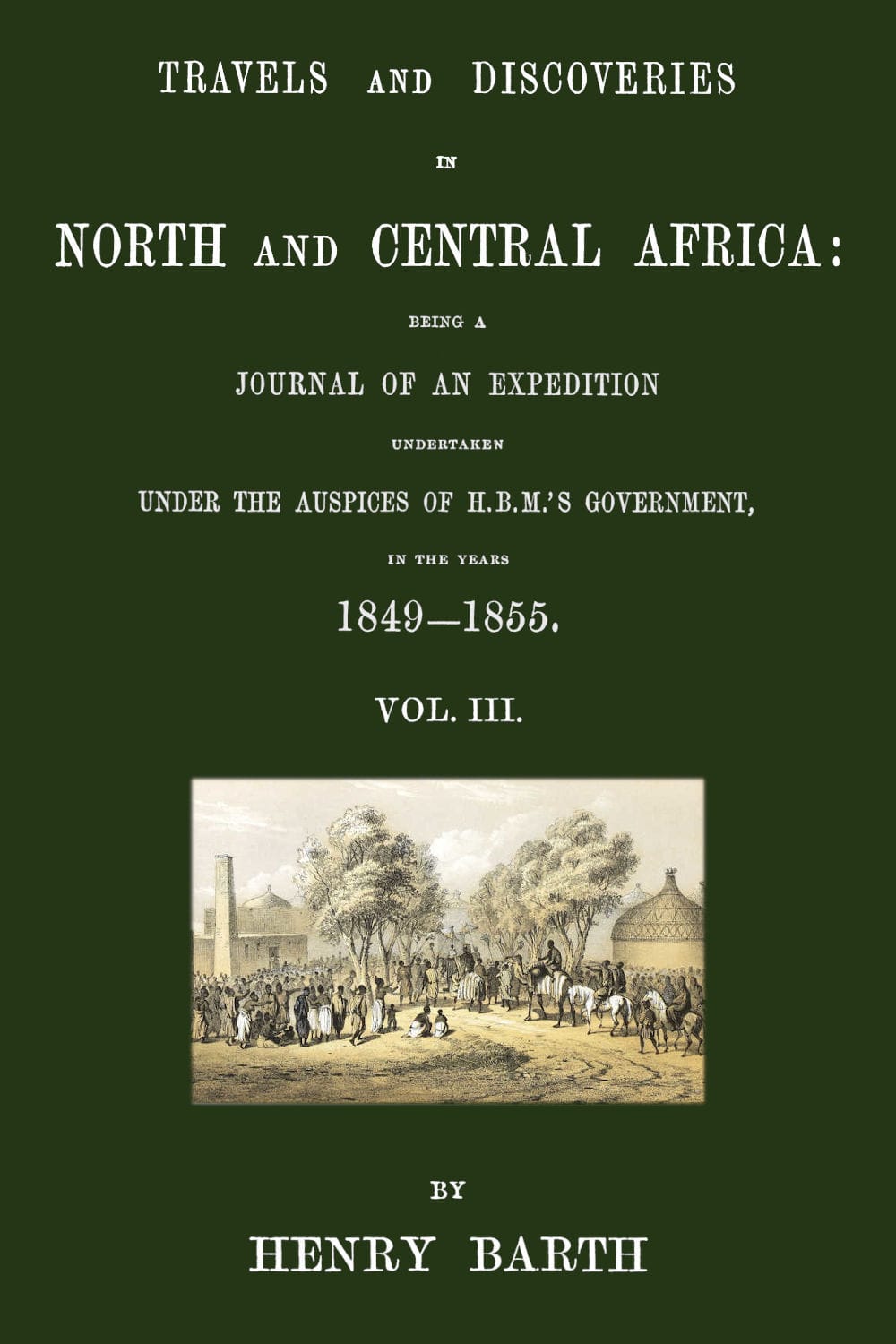
Travels and Discoveries in North and Central Africa, Vol. 3 (of 5): Being a Journal of an Expedition Undertaken Under the Auspices of H.b.m.'S Government, in the Years 1849-1855
1857
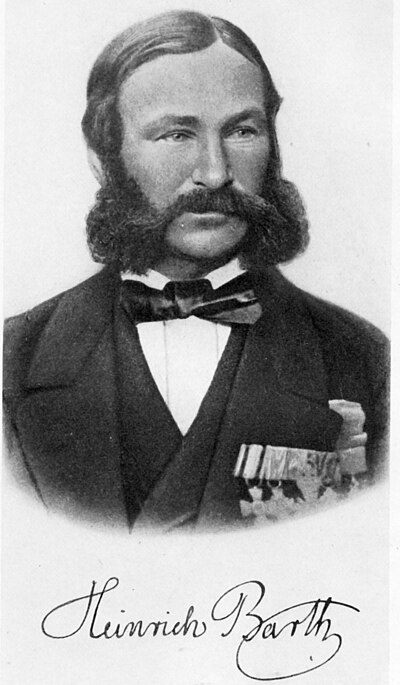
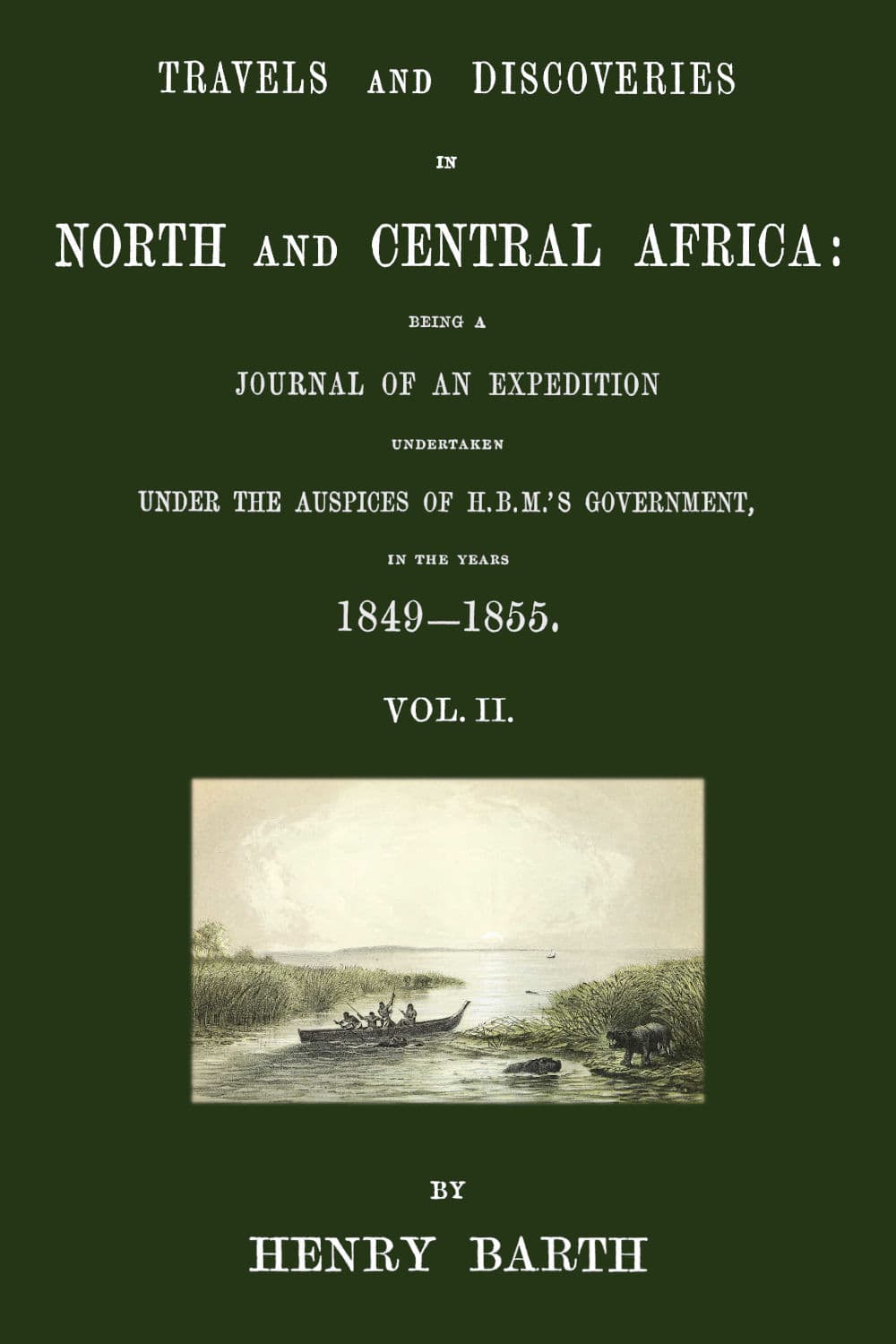
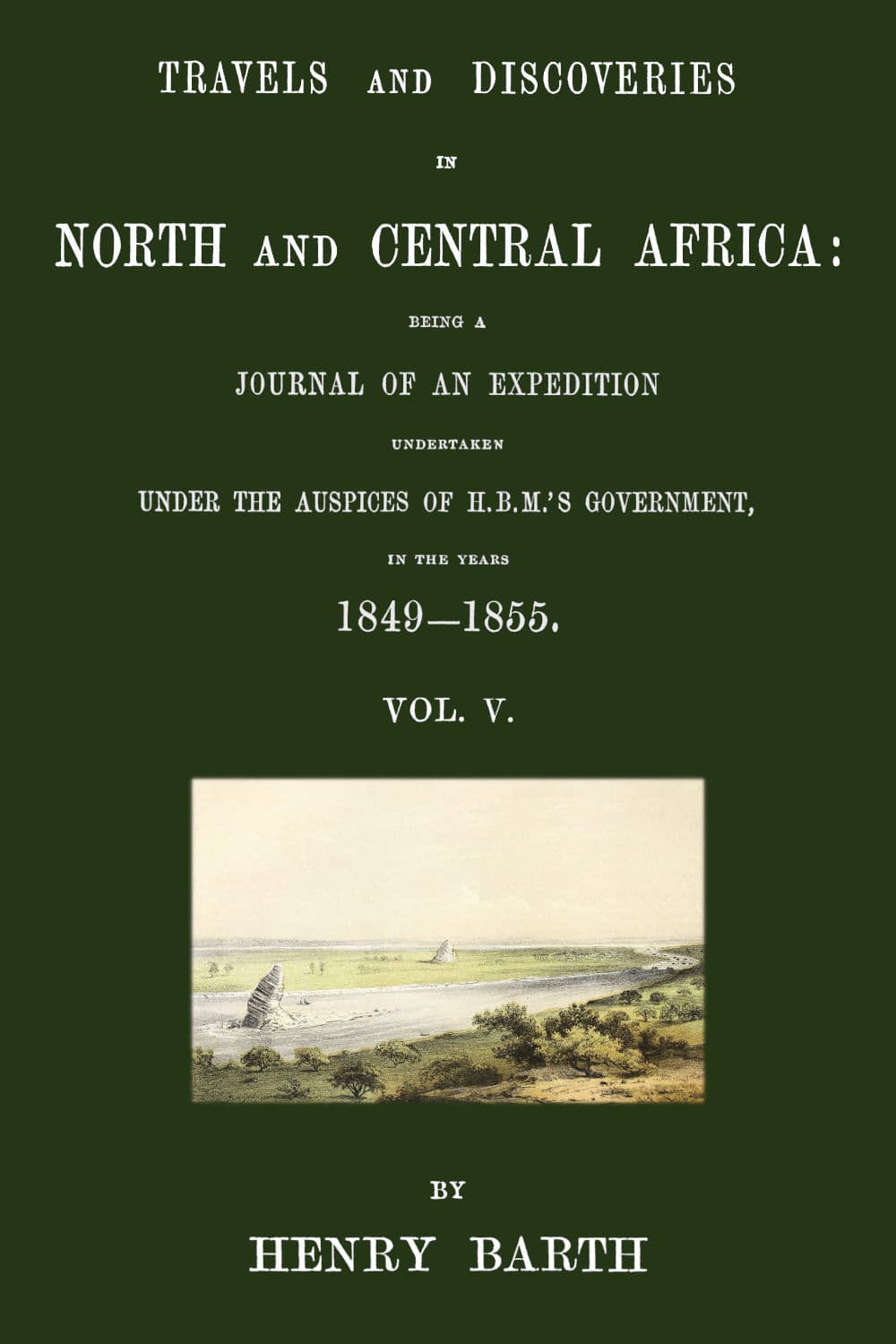
In 1852, a German scholar with a fever and dwindling supplies pushed deeper into African interior than any European before him. Heinrich Barth's third volume chronicles the expedition's most dangerous leg: from the rain-soaked capital of Kúkawa, across the Komadugu River on frail calabash rafts, through territories where Arab companions openly plundered herders, toward the legendary eastern shores of Lake Chad. This is adventure writing stripped of romance. Barth records everything with obsessive precision: the ninety-six elephants marching majestic near the lake, the fetid streets of Yó, salt-makers tending natron pools, an elaborate ʿId festival while illness keeps him bedridden. He documents regional power collapses in real time, Bornu trembling before Fezzán's Turks, Sokoto in turmoil, Wadai's expansion threatening everything. The prose has the density of a scientist's notebook crossed with a dispatch from a frontier war. What emerges is not just geography but a fragile, detailed portrait of societies on the eve of transformation. This is how the world looked when maps still held white space, seen through the eyes of a man who understood he might not survive to correct them.
Editions
Link to this book
Add a free, dofollow link to Lex on your blog, forum, syllabus, or reading list.

<a href="https://lex-books.com/book/travels-and-discoveries-in-north-and-central-africa-vol-3-of-5-being-a-journal-o-31d43130-d79a-4de4-aa46-a77f37b17d85"><img src="https://lex-books.com/badges/read-on-lex.svg" alt="Read Travels and Discoveries in North and Central Africa, Vol. 3 (of 5): Being a Journal of an Expedition Undertaken Under the Auspices of H.b.m.'S Government, in the Years 1849-1855 by Heinrich Barth free on Lex" width="160" height="40"></a>[](https://lex-books.com/book/travels-and-discoveries-in-north-and-central-africa-vol-3-of-5-being-a-journal-o-31d43130-d79a-4de4-aa46-a77f37b17d85)[url=https://lex-books.com/book/travels-and-discoveries-in-north-and-central-africa-vol-3-of-5-being-a-journal-o-31d43130-d79a-4de4-aa46-a77f37b17d85][img]https://lex-books.com/badges/read-on-lex.svg[/img][/url]Read Travels and Discoveries in North and Central Africa, Vol. 3 (of 5): Being a Journal of an Expedition Undertaken Under the Auspices of H.b.m.'S Government, in the Years 1849-1855 by Heinrich Barth free on Lex: https://lex-books.com/book/travels-and-discoveries-in-north-and-central-africa-vol-3-of-5-being-a-journal-o-31d43130-d79a-4de4-aa46-a77f37b17d85Cite this book
Reading this edition for a paper or guide? Copy a citation.
Barth, Heinrich. Travels and Discoveries in North and Central Africa, Vol. 3 (of 5): Being a Journal of an Expedition Undertaken Under the Auspices of H.b.m.'S Government, in the Years 1849-1855. Lex, lex-books.com/book/travels-and-discoveries-in-north-and-central-africa-vol-3-of-5-being-a-journal-o-31d43130-d79a-4de4-aa46-a77f37b17d85.Barth, H. (1857). Travels and Discoveries in North and Central Africa, Vol. 3 (of 5): Being a Journal of an Expedition Undertaken Under the Auspices of H.b.m.'S Government, in the Years 1849-1855. Lex. https://lex-books.com/book/travels-and-discoveries-in-north-and-central-africa-vol-3-of-5-being-a-journal-o-31d43130-d79a-4de4-aa46-a77f37b17d85Barth, Heinrich. Travels and Discoveries in North and Central Africa, Vol. 3 (of 5): Being a Journal of an Expedition Undertaken Under the Auspices of H.b.m.'S Government, in the Years 1849-1855. Lex. https://lex-books.com/book/travels-and-discoveries-in-north-and-central-africa-vol-3-of-5-being-a-journal-o-31d43130-d79a-4de4-aa46-a77f37b17d85.