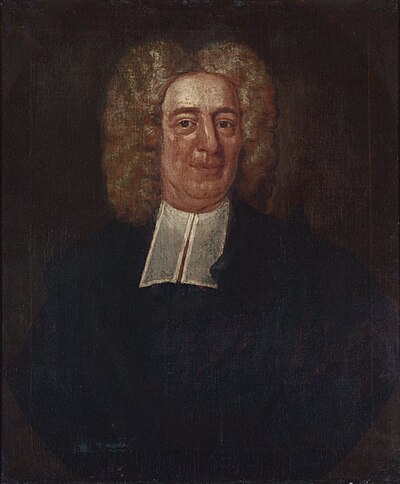
The Wonders of the Invisible World: Being an Account of the Tryals of Several Witches Lately Executed in New-England, to Which Is Added a Farther Account of the Tryals of the New-England Witches
1693
The Wonders of the Invisible World: Being an Account of the Tryals of Several Witches Lately Executed in New-England, to Which Is Added a Farther Account of the Tryals of the New-England Witches
1693
Cotton Mather's account stands as the most notorious primary document to emerge from the Salem witch trials, and reading it today feels like holding a artifact from another planet. Written in 1693 by one of colonial America's most influential ministers, the book is not a neutral historical record but a passionate defense of the executions then underway. Mather believed absolutely in the reality of witchcraft: he saw Satan waging war against the Puritan 'plantation' of New England, and the accused men and women in the dock as agents of the devil. The text captures a mind entirely convinced of its own righteousness, enumerating 'remarkable curiosities' of demonic activity with the same theological confidence a modern scientist might bring to empirical data. This is what makes the book essential and unbearable. It documents not just the trials themselves, but the worldview that made them possible: a combustible mix of religious terror, community suspicion, and absolute certainty in the supernatural. For readers interested in American history, the psychology of mass hysteria, or the collision of faith and justice, Mather's account is indispensable precisely because it cannot be separated from the tragedy it defended.
Editions
X-Ray
“The New-Englanders are a People of God settled in those, which were once the Devil's Territories; and it may easily be supposed that the Devil was exceedingly disturbed, when he perceived such a People here accomplishing the Promise of old made unto our Blessed Jesus, That He should have the Utmost parts of the Earth for his Possession.””
— Cotton Mather
Link to this book
Add a free, dofollow link to Lex on your blog, forum, syllabus, or reading list.

<a href="https://lex-books.com/book/the-wonders-of-the-invisible-world-being-an-account-of-the-tryals-of-several-wit-d6156894-13ef-457d-a0a8-bdfa88e6f327"><img src="https://lex-books.com/badges/read-on-lex.svg" alt="Read The Wonders of the Invisible World: Being an Account of the Tryals of Several Witches Lately Executed in New-England, to Which Is Added a Farther Account of the Tryals of the New-England Witches by Cotton Mather free on Lex" width="160" height="40"></a>[](https://lex-books.com/book/the-wonders-of-the-invisible-world-being-an-account-of-the-tryals-of-several-wit-d6156894-13ef-457d-a0a8-bdfa88e6f327)[url=https://lex-books.com/book/the-wonders-of-the-invisible-world-being-an-account-of-the-tryals-of-several-wit-d6156894-13ef-457d-a0a8-bdfa88e6f327][img]https://lex-books.com/badges/read-on-lex.svg[/img][/url]Read The Wonders of the Invisible World: Being an Account of the Tryals of Several Witches Lately Executed in New-England, to Which Is Added a Farther Account of the Tryals of the New-England Witches by Cotton Mather free on Lex: https://lex-books.com/book/the-wonders-of-the-invisible-world-being-an-account-of-the-tryals-of-several-wit-d6156894-13ef-457d-a0a8-bdfa88e6f327Cite this book
Reading this edition for a paper or guide? Copy a citation.
Mather, Cotton. The Wonders of the Invisible World: Being an Account of the Tryals of Several Witches Lately Executed in New-England, to Which Is Added a Farther Account of the Tryals of the New-England Witches. Lex, lex-books.com/book/the-wonders-of-the-invisible-world-being-an-account-of-the-tryals-of-several-wit-d6156894-13ef-457d-a0a8-bdfa88e6f327.Mather, C. (1693). The Wonders of the Invisible World: Being an Account of the Tryals of Several Witches Lately Executed in New-England, to Which Is Added a Farther Account of the Tryals of the New-England Witches. Lex. https://lex-books.com/book/the-wonders-of-the-invisible-world-being-an-account-of-the-tryals-of-several-wit-d6156894-13ef-457d-a0a8-bdfa88e6f327Mather, Cotton. The Wonders of the Invisible World: Being an Account of the Tryals of Several Witches Lately Executed in New-England, to Which Is Added a Farther Account of the Tryals of the New-England Witches. Lex. https://lex-books.com/book/the-wonders-of-the-invisible-world-being-an-account-of-the-tryals-of-several-wit-d6156894-13ef-457d-a0a8-bdfa88e6f327.