The Voiage and Travayle of Sir John Maundeville Knight: Which Treateth of the Way Towards Hierusalem and of Marvayles of Inde with Other Ilands and Countreys
1357
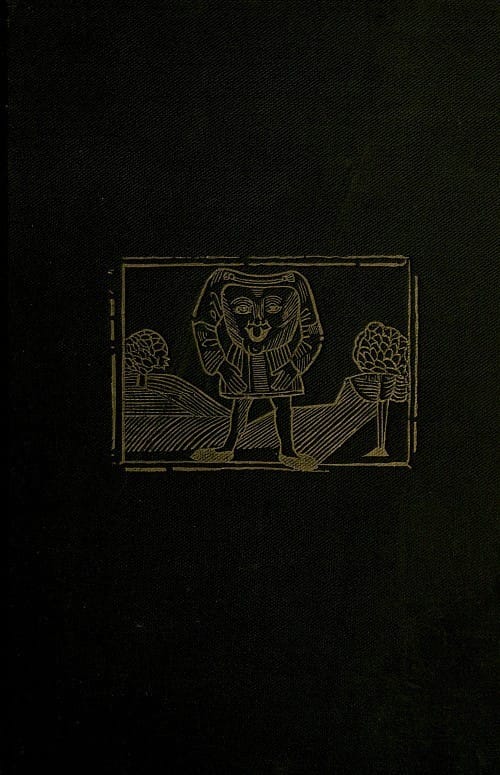
The Voiage and Travayle of Sir John Maundeville Knight: Which Treateth of the Way Towards Hierusalem and of Marvayles of Inde with Other Ilands and Countreys
1357
Here is a book that shaped the medieval imagination and misled Christopher Columbus himself. Sir John Mandeville's extraordinary account purports to chronicle his journey from England through the Holy Land, Egypt, India, and all the way to China, serving in the Great Khan's army along the way. Yet what makes this 14th-century text enduring is not its geography but its marvels: dog-headed men, warrior Amazons, cannibal islands, Pygmies, and peoples with faces in their chests. The line between genuine observation, borrowed rumor, and pure invention rarely stays clear, and that ambiguity is precisely where the book's power lies. Mandeville writes with the confident authority of a knight and the wonder of a man who has seen too much to doubt anything. Whether he ever left his study in Liège remains disputed, but his book became truth enough for generations of readers who needed to believe in a world stranger than any atlas could contain. For readers who love medieval literature, the origins of fantasy, or the strange history of how people imagined the world, this remains an essential and endlessly strange text.
Editions
X-Ray
“...[I]t behooves a man who wants to see wonders sometimes to go out of his way.””
— Sir John Mandeville
“We know not whom God loves nor whom He hates.””
— Sir John Mandeville
“Of Paradise I cannot speak properly, for I have not been there; and that I regret.””
— Sir John Mandeville
About The Voiage and Travayle of Sir John Maundeville Knight: Which Treateth of the Way Towards Hierusalem and of Marvayles of Inde with Other Ilands and Countreys
Chapter Summaries
- Preface
- John Ashton explains his editorial approach and the historical significance of Mandeville's work, noting its popularity and the challenges of previous editions.
- Introduction
- Ashton discusses the scholarly debate over whether Sir John Mandeville actually existed, presenting evidence from various sources including his supposed tomb in Liège.
- 1
- Mandeville introduces his purpose and describes various routes to Jerusalem by land and sea, emphasizing the sacred nature of the Holy Land as Christ's chosen territory.
Key Themes
- Religious Pilgrimage and Faith
- The work presents itself as a guide for Christian pilgrims to the Holy Land, emphasizing the sacred geography of Jerusalem and the importance of reclaiming Christian heritage from 'infidel' hands.
- Cultural Relativism and Wonder
- Mandeville presents diverse customs and beliefs with a mixture of wonder and judgment, often finding virtue in non-Christian peoples while maintaining his Christian worldview.
- The Marvelous and Fantastic
- The text blends geographical description with fantastic elements including monsters, magical stones, and impossible creatures, reflecting medieval beliefs about distant lands.
Characters
- Sir John Mandeville(protagonist)
- The narrator and supposed author, a knight from St. Albans who claims to have traveled extensively through the Holy Land, India, and other distant countries for 34 years. He presents himself as a devout Christian pilgrim and observer of foreign customs.
- The Sultan of Babylon(major)
- The powerful ruler of Egypt who controls multiple kingdoms. Mandeville served as a soldier in his army and claims the Sultan offered him a princess in marriage if he would convert to Islam.
- The Great Khan of Cathay(major)
- The mighty Emperor of China and Tartary, described as the most powerful ruler in the world. He lives in incredible luxury and commands vast armies and territories.
- Prester John(major)
- The legendary Christian Emperor of India, ruling vast territories with great wealth and power. He maintains Christian practices while governing diverse peoples and maintains diplomatic relations with other great rulers.
- Mandeville's Fellow(minor)
- An unnamed traveling companion who accompanies Mandeville on many of his journeys, particularly mentioned during their service with the Great Khan and passage through dangerous territories.
- Saint Helena(minor)
- Historical figure mentioned as the discoverer of the True Cross and daughter of King Coel of England. She plays an important role in the religious history Mandeville recounts.
Link to this book
Add a free, dofollow link to Lex on your blog, forum, syllabus, or reading list.

<a href="https://lex-books.com/book/the-voiage-and-travayle-of-sir-john-maundeville-knight-which-treateth-of-the-way-56262d91-e1b3-4f38-beb2-9039e70522ea"><img src="https://lex-books.com/badges/read-on-lex.svg" alt="Read The Voiage and Travayle of Sir John Maundeville Knight: Which Treateth of the Way Towards Hierusalem and of Marvayles of Inde with Other Ilands and Countreys by Sir John Mandeville free on Lex" width="160" height="40"></a>[](https://lex-books.com/book/the-voiage-and-travayle-of-sir-john-maundeville-knight-which-treateth-of-the-way-56262d91-e1b3-4f38-beb2-9039e70522ea)[url=https://lex-books.com/book/the-voiage-and-travayle-of-sir-john-maundeville-knight-which-treateth-of-the-way-56262d91-e1b3-4f38-beb2-9039e70522ea][img]https://lex-books.com/badges/read-on-lex.svg[/img][/url]Read The Voiage and Travayle of Sir John Maundeville Knight: Which Treateth of the Way Towards Hierusalem and of Marvayles of Inde with Other Ilands and Countreys by Sir John Mandeville free on Lex: https://lex-books.com/book/the-voiage-and-travayle-of-sir-john-maundeville-knight-which-treateth-of-the-way-56262d91-e1b3-4f38-beb2-9039e70522eaCite this book
Reading this edition for a paper or guide? Copy a citation.
Mandeville, Sir John. The Voiage and Travayle of Sir John Maundeville Knight: Which Treateth of the Way Towards Hierusalem and of Marvayles of Inde with Other Ilands and Countreys. Lex, lex-books.com/book/the-voiage-and-travayle-of-sir-john-maundeville-knight-which-treateth-of-the-way-56262d91-e1b3-4f38-beb2-9039e70522ea.Mandeville, S. J. (1357). The Voiage and Travayle of Sir John Maundeville Knight: Which Treateth of the Way Towards Hierusalem and of Marvayles of Inde with Other Ilands and Countreys. Lex. https://lex-books.com/book/the-voiage-and-travayle-of-sir-john-maundeville-knight-which-treateth-of-the-way-56262d91-e1b3-4f38-beb2-9039e70522eaMandeville, Sir John. The Voiage and Travayle of Sir John Maundeville Knight: Which Treateth of the Way Towards Hierusalem and of Marvayles of Inde with Other Ilands and Countreys. Lex. https://lex-books.com/book/the-voiage-and-travayle-of-sir-john-maundeville-knight-which-treateth-of-the-way-56262d91-e1b3-4f38-beb2-9039e70522ea.