The Tower of London
1906

The Tower of London
1906
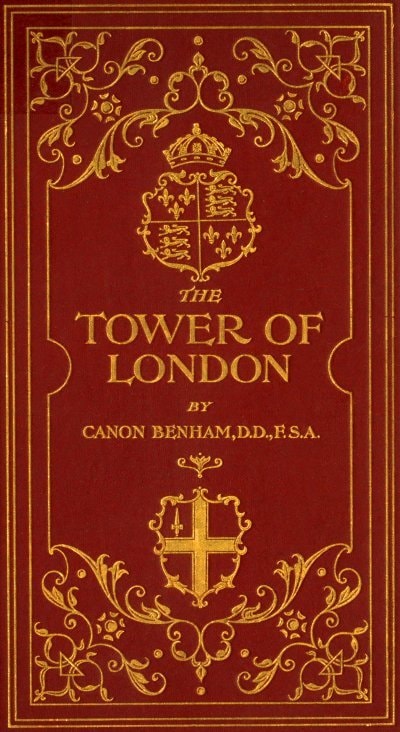
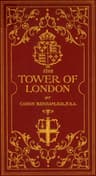
The Tower of London, written by William Benham and first published in 1906, is a historical account that examines the rich history of the Tower of London. The book details its architectural evolution, its role as a royal palace, and its transformation into a state prison. Benham explores significant events and figures associated with the Tower, emphasizing its importance throughout British history from its Roman origins to its use during various monarchs' reigns. This work is notable for its thorough exploration of the Tower's storied past and its cultural significance.
Editions
X-Ray
Norman king who built the White Tower around 1078. Established the Tower as a royal fortress and appointed Geoffrey de Mandeville as first Constable.
Benedictine monk and Bishop of Rochester who designed and built the White Tower. Known as the greatest builder of his time.
Tudor king who extensively used the Tower as a state prison. Executed numerous wives, nobles, and religious figures including Anne Boleyn, Thomas More, and Thomas Cromwell.
Second wife of Henry VIII, mother of Elizabeth I. Crowned at the Tower in 1533, executed there in 1536 on charges of adultery.
About The Tower of London
Chapter Summaries
- 1
- Traces the Tower's origins from Roman fortifications through Norman conquest. William the Conqueror builds the White Tower around 1078, establishing it as both royal residence and fortress.
- 2
- Detailed architectural description of the Tower's various components, towers, and defensive features. Explains the layout and construction of this medieval fortress complex.
- 3
- Chronicles the Tower's role during the reigns of Richard II through Richard III, including the Wars of the Roses and the murder of the Princes in the Tower.
Key Themes
- Power and Authority
- The Tower represents the ultimate symbol of royal power, used to imprison and execute those who challenged monarchical authority. From William the Conqueror to the Hanoverians, it demonstrates how power corrupts and how authority must be maintained through force.
- Religious Persecution
- The Tower witnessed centuries of religious conflict, from Catholic martyrs under Henry VIII to Protestant victims under Mary I. It embodies England's struggle between competing religious authorities and individual conscience.
- Justice vs. Tyranny
- Many Tower prisoners were victims of political expediency rather than true justice. The fortress represents the fine line between legitimate authority and tyrannical oppression throughout English history.
Characters
- William the Conqueror(major)
- Norman king who built the White Tower around 1078. Established the Tower as a royal fortress and appointed Geoffrey de Mandeville as first Constable.
- Gundulf(major)
- Benedictine monk and Bishop of Rochester who designed and built the White Tower. Known as the greatest builder of his time.
- Henry VIII(major)
- Tudor king who extensively used the Tower as a state prison. Executed numerous wives, nobles, and religious figures including Anne Boleyn, Thomas More, and Thomas Cromwell.
- Anne Boleyn(major)
- Second wife of Henry VIII, mother of Elizabeth I. Crowned at the Tower in 1533, executed there in 1536 on charges of adultery.
- Thomas More(major)
- Scholar, lawyer, and former Lord Chancellor. Executed in 1535 for refusing to acknowledge Henry VIII's supremacy over the Church.
- Elizabeth I(major)
- Tudor queen who was imprisoned in the Tower as a princess under Mary I, later used it extensively as a state prison during her reign.
Link to this book
Add a free, dofollow link to Lex on your blog, forum, syllabus, or reading list.

<a href="https://lex-books.com/book/the-tower-of-london-72a68cee-1dd5-4352-8ba7-888d33071ea5"><img src="https://lex-books.com/badges/read-on-lex.svg" alt="Read The Tower of London by William Benham free on Lex" width="160" height="40"></a>[](https://lex-books.com/book/the-tower-of-london-72a68cee-1dd5-4352-8ba7-888d33071ea5)[url=https://lex-books.com/book/the-tower-of-london-72a68cee-1dd5-4352-8ba7-888d33071ea5][img]https://lex-books.com/badges/read-on-lex.svg[/img][/url]Read The Tower of London by William Benham free on Lex: https://lex-books.com/book/the-tower-of-london-72a68cee-1dd5-4352-8ba7-888d33071ea5Cite this book
Reading this edition for a paper or guide? Copy a citation.
Benham, William. The Tower of London. Lex, lex-books.com/book/the-tower-of-london-72a68cee-1dd5-4352-8ba7-888d33071ea5.Benham, W. (1906). The Tower of London. Lex. https://lex-books.com/book/the-tower-of-london-72a68cee-1dd5-4352-8ba7-888d33071ea5Benham, William. The Tower of London. Lex. https://lex-books.com/book/the-tower-of-london-72a68cee-1dd5-4352-8ba7-888d33071ea5.