The Story of London
1899
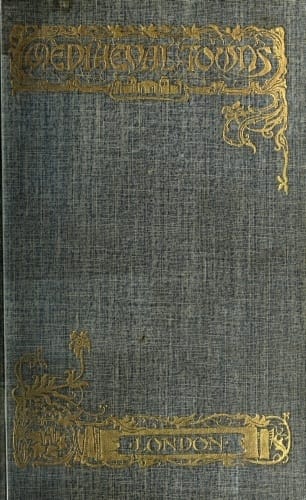
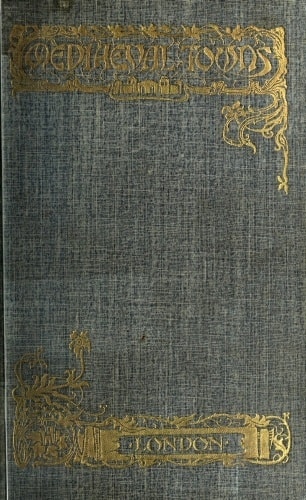
Who built London, and when did it begin? These are the questions Henry B. Wheatley pursues with Victorian rigor and evident fascination for a city that was already ancient when Rome fell. Written in 1899, this is not a modern tourist guide but a passionate excavation of London's deepest layers: the Roman foundations, the Saxon settlements, the shock of the Norman Conquest, and the emergence of a medieval metropolis that would one day rule half the world. Wheatley reconstructs daily life with surprising specificity: how citizens were governed, what they ate, how trade flowed along the Thames, and which ancient documents preserve fragments of a world long vanished. The book breathes with the particular smell of old archives and older cobblestones. For anyone who has walked London's streets and wondered what lies beneath, this remains a remarkable companion, written by a man who clearly loved the city and spent a lifetime reading its stones.
Editions

X-Ray
The author and narrator of this historical work about medieval London. He serves as the scholarly guide through London's medieval period, drawing on extensive research and contemporary documents.
Norman king who conquered England in 1066 and fundamentally transformed London. Built the Tower of London and established Norman rule over the city.
The great English poet who lived and worked in medieval London, serving as customs comptroller and residing at Aldgate. His works provide vivid portraits of medieval London life.
Leader of the Peasants' Revolt of 1381 who brought thousands of rebels to London. His confrontation with authorities at Smithfield ended in his death.
About The Story of London
Chapter Summaries
- 1
- Traces London's origins from prehistoric times through Roman occupation to Saxon rule, culminating in William the Conqueror's arrival. Discusses the city's strategic importance and early development.
- 2
- Describes medieval London's walls, gates, and street layout, including building regulations and the challenges of urban life. Covers major uprisings including Wat Tyler's and Jack Cade's rebellions.
- 3
- Explores medieval London through the eyes of its great poets, particularly Chaucer, showing how literature illuminates daily life and social conditions in the city.
Key Themes
- Urban Development and Governance
- The evolution of London from a Saxon settlement to a major medieval city, including the development of walls, gates, streets, and municipal government. The book traces how London established its unique position as a self-governing commune.
- Social Class and Economic Change
- The complex relationships between merchants, craftsmen, nobles, and common citizens, showing how trade and commerce gradually shifted power dynamics and created new forms of social organization through guilds and companies.
- Religious and Secular Authority
- The tension between church and state power in medieval London, from the influence of bishops and monasteries to the rise of secular governance and the eventual dissolution of religious institutions.
Characters
- Henry B. Wheatley(protagonist)
- The author and narrator of this historical work about medieval London. He serves as the scholarly guide through London's medieval period, drawing on extensive research and contemporary documents.
- William the Conqueror(major)
- Norman king who conquered England in 1066 and fundamentally transformed London. Built the Tower of London and established Norman rule over the city.
- Geoffrey Chaucer(major)
- The great English poet who lived and worked in medieval London, serving as customs comptroller and residing at Aldgate. His works provide vivid portraits of medieval London life.
- Wat Tyler(major)
- Leader of the Peasants' Revolt of 1381 who brought thousands of rebels to London. His confrontation with authorities at Smithfield ended in his death.
- William Walworth(major)
- Mayor of London during the Peasants' Revolt who defended the city and killed Wat Tyler. Knighted by Richard II for his actions.
- Richard II(major)
- Young king during the Peasants' Revolt who showed remarkable courage in dealing with the rebels. His reign saw significant events in London's history.
Link to this book
Add a free, dofollow link to Lex on your blog, forum, syllabus, or reading list.

<a href="https://lex-books.com/book/the-story-of-london-388c64c1-ef1e-486e-9c05-e65defeb33f0"><img src="https://lex-books.com/badges/read-on-lex.svg" alt="Read The Story of London by Henry B. Wheatley free on Lex" width="160" height="40"></a>[](https://lex-books.com/book/the-story-of-london-388c64c1-ef1e-486e-9c05-e65defeb33f0)[url=https://lex-books.com/book/the-story-of-london-388c64c1-ef1e-486e-9c05-e65defeb33f0][img]https://lex-books.com/badges/read-on-lex.svg[/img][/url]Read The Story of London by Henry B. Wheatley free on Lex: https://lex-books.com/book/the-story-of-london-388c64c1-ef1e-486e-9c05-e65defeb33f0Cite this book
Reading this edition for a paper or guide? Copy a citation.
Wheatley, Henry B.. The Story of London. Lex, lex-books.com/book/the-story-of-london-388c64c1-ef1e-486e-9c05-e65defeb33f0.Wheatley, H. B. (1899). The Story of London. Lex. https://lex-books.com/book/the-story-of-london-388c64c1-ef1e-486e-9c05-e65defeb33f0Wheatley, Henry B.. The Story of London. Lex. https://lex-books.com/book/the-story-of-london-388c64c1-ef1e-486e-9c05-e65defeb33f0.