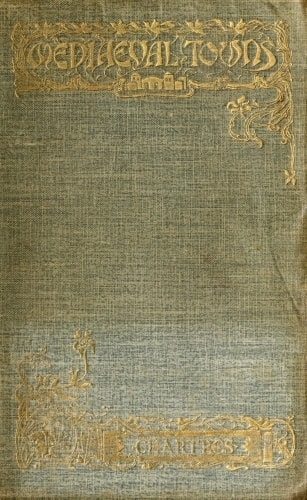
The Story of Florence
1900
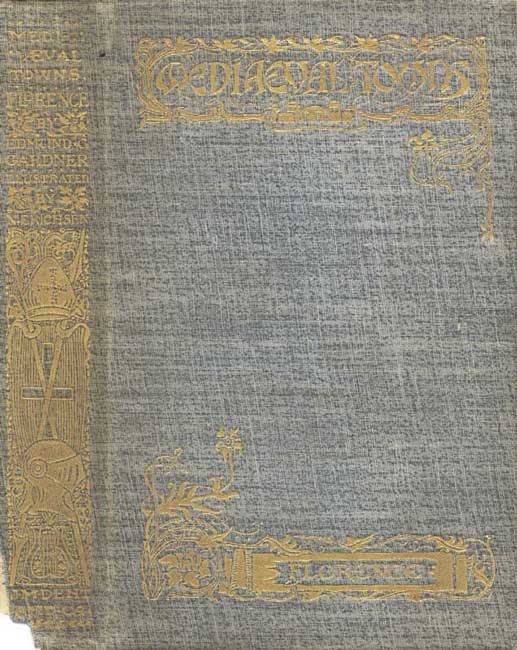
The Story of Florence
1900
Few cities have shaped the modern imagination quite like Florence, where the dusty struggles of a medieval republic somehow gave birth to the most radical explosion of art and thought in Western history. Edmund G. Gardner wrote this volume in 1900 as a dual-purpose work: a readable history of the Florentine Republic and a companion for visitors walking its streets. He begins with the legendary origins, the Etruscans and Romans who first recognized this valley's promise, then moves through the centuries of faction, conflict, and miraculous creativity that produced Botticelli, Brunelleschi, and Machiavelli. Gardner weaves together the political drama of Medici rise and fall with vivid attention to the buildings and artworks that still define the city. This is history as lived experience, not dry chronicle. Those who know Florence will recognize the passion of a man who first visited as a student and spent years learning to see it. Those who have never been will understand why writers have spent centuries trying to capture what makes this small city so essential.
Editions
X-Ray
Born 1265, the great poet of the Divine Comedy and a political figure in Florence. Exiled in 1302 for his opposition to papal interference, he never returned to his beloved city.
Ruler of Florence 1469-1492, patron of arts and letters who maintained the balance of power in Italy. Despite his cultural achievements, he was a ruthless tyrant who corrupted the Republic.
Dominican friar and reformer who briefly ruled Florence as a theocratic republic after the Medici expulsion in 1494. Martyred in 1498 for opposing papal corruption.
First Medici ruler of Florence (1434-1464), called 'Pater Patriae.' Established Medici power through banking wealth and patronage while maintaining republican forms.
About The Story of Florence
Chapter Summaries
- 1
- Origins of Florence from Etruscan Fiesole and Roman Florentia, through the legendary founding by Julius Caesar to the rise of the medieval commune. Covers the establishment of democratic government and the first factional conflicts.
- 2
- The golden age of medieval Florence from 1265-1375, including Dante's political career, the White and Black Guelf conflict, and the cultural flowering of the Trecento despite constant factional warfare.
- 3
- The rise of Medici power from Salvestro through Cosimo the Elder to Lorenzo the Magnificent, showing how the banking family gradually subverted republican institutions while patronizing Renaissance art and humanism.
Key Themes
- Republic vs. Tyranny
- The central tension between Florence's democratic ideals and the inevitable drift toward autocracy. Gardner shows how even enlightened despots like Lorenzo corrupted the civic virtues that made Florence great.
- Art and Power
- The complex relationship between artistic patronage and political control. The Medici's cultural magnificence came at the cost of republican freedom, yet produced unparalleled artistic achievement.
- Religious Reform and Corruption
- The struggle between spiritual renewal and institutional corruption, exemplified by Savonarola's brief theocracy and his martyrdom at the hands of a corrupt papacy.
Characters
- Dante Alighieri(major)
- Born 1265, the great poet of the Divine Comedy and a political figure in Florence. Exiled in 1302 for his opposition to papal interference, he never returned to his beloved city.
- Lorenzo de' Medici (the Magnificent)(protagonist)
- Ruler of Florence 1469-1492, patron of arts and letters who maintained the balance of power in Italy. Despite his cultural achievements, he was a ruthless tyrant who corrupted the Republic.
- Girolamo Savonarola(protagonist)
- Dominican friar and reformer who briefly ruled Florence as a theocratic republic after the Medici expulsion in 1494. Martyred in 1498 for opposing papal corruption.
- Cosimo de' Medici (the Elder)(major)
- First Medici ruler of Florence (1434-1464), called 'Pater Patriae.' Established Medici power through banking wealth and patronage while maintaining republican forms.
- Michelangelo Buonarroti(major)
- Greatest sculptor and artist of the Renaissance, born 1475. Served both the Republic and the Medici, creating masterpieces while witnessing Florence's transformation from republic to duchy.
- Guido Cavalcanti(major)
- Noble poet and Dante's dearest friend, leader of the dolce stil novo. A philosophical skeptic who was exiled with Corso Donati in 1300 and died shortly after.
Link to this book
Add a free, dofollow link to Lex on your blog, forum, syllabus, or reading list.

<a href="https://lex-books.com/book/the-story-of-florence-80e1496b-5d28-4e4f-afa7-80becfc57891"><img src="https://lex-books.com/badges/read-on-lex.svg" alt="Read The Story of Florence by Edmund G. Gardner free on Lex" width="160" height="40"></a>[](https://lex-books.com/book/the-story-of-florence-80e1496b-5d28-4e4f-afa7-80becfc57891)[url=https://lex-books.com/book/the-story-of-florence-80e1496b-5d28-4e4f-afa7-80becfc57891][img]https://lex-books.com/badges/read-on-lex.svg[/img][/url]Read The Story of Florence by Edmund G. Gardner free on Lex: https://lex-books.com/book/the-story-of-florence-80e1496b-5d28-4e4f-afa7-80becfc57891Cite this book
Reading this edition for a paper or guide? Copy a citation.
Gardner, Edmund G.. The Story of Florence. Lex, lex-books.com/book/the-story-of-florence-80e1496b-5d28-4e4f-afa7-80becfc57891.Gardner, E. G. (1900). The Story of Florence. Lex. https://lex-books.com/book/the-story-of-florence-80e1496b-5d28-4e4f-afa7-80becfc57891Gardner, Edmund G.. The Story of Florence. Lex. https://lex-books.com/book/the-story-of-florence-80e1496b-5d28-4e4f-afa7-80becfc57891.