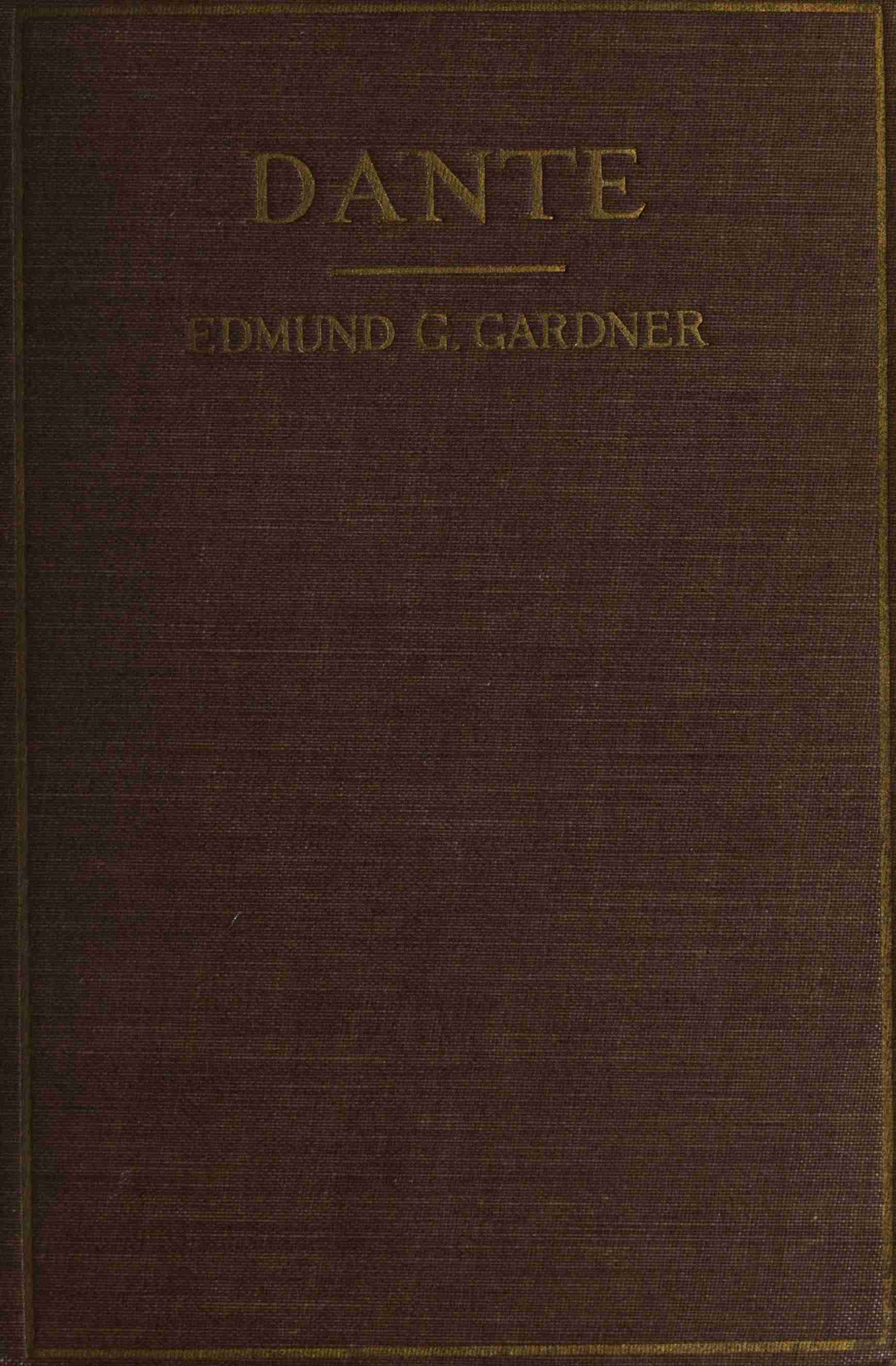
Dante
1900
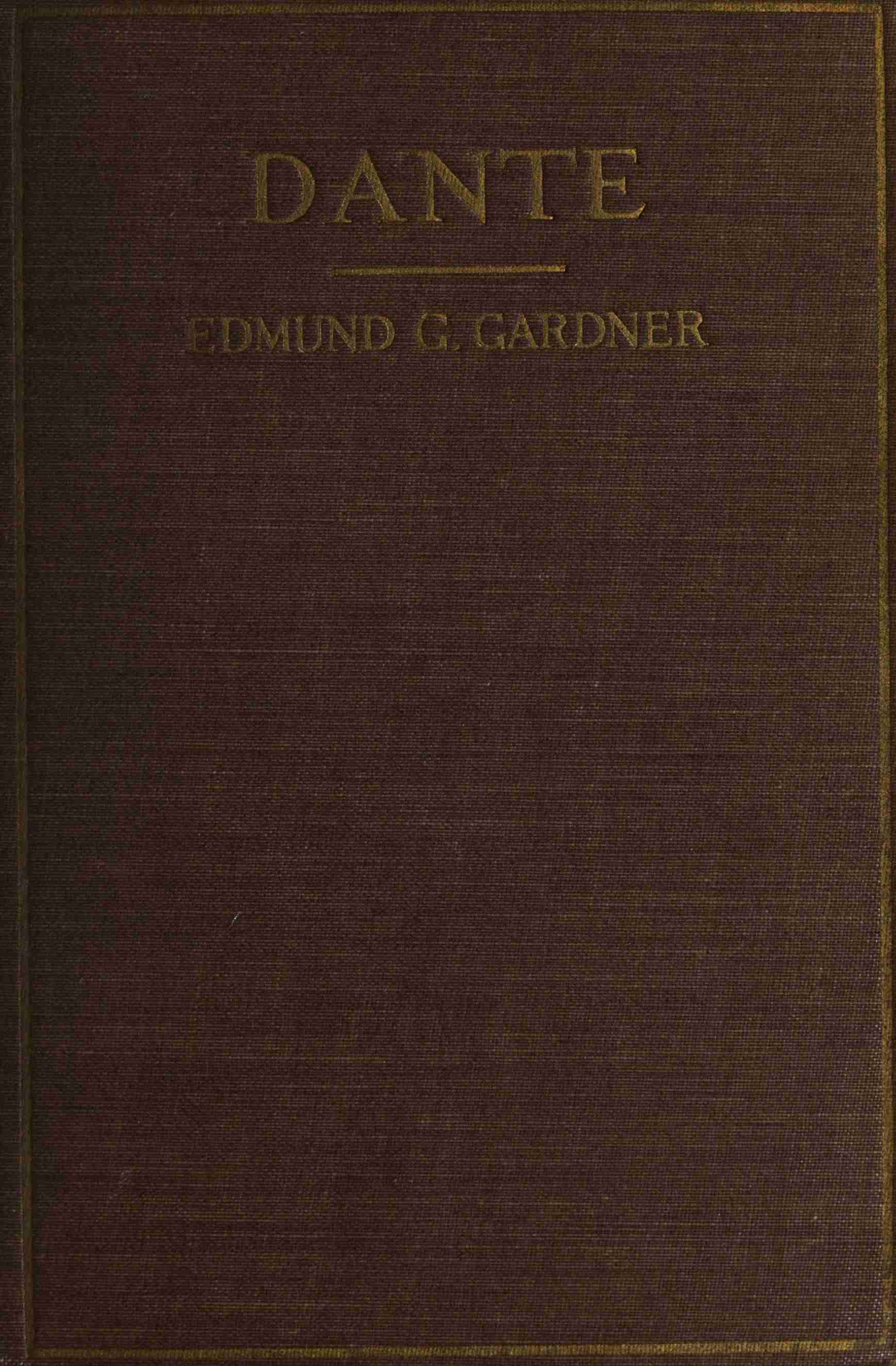
Published in 1900, 'Dante' by Edmund G. Gardner is a scholarly examination of the life and significance of the Italian poet Dante Alighieri. This work revises Gardner's earlier 'Dante Primer' and delves into Dante's literary achievements, particularly his masterpiece, the 'Divina Commedia.' It contextualizes Dante within the tumultuous political landscape of medieval Italy, exploring his personal background, love for Beatrice, and the events leading to his exile, which profoundly influenced his writing and philosophical thought.
Editions
X-Ray
The subject of this biographical study, a Florentine poet and political figure (1265-1321). Born into minor nobility, he became involved in Florentine politics and was exiled in 1302, spending his remaining years writing his masterwork, the Divina Commedia.
Dante's first love and spiritual inspiration, traditionally identified with Bice Portinari. She died in 1290 and became the central figure of Dante's Vita Nuova and later his guide through Paradise in the Divina Commedia.
The great Roman poet who serves as Dante's literary master and guide through Hell and Purgatory in the Divina Commedia. Represents human philosophy and reason.
Dante's closest friend and fellow poet, leader of the dolce stil nuovo movement. Their friendship began when Cavalcanti responded to Dante's first sonnet.
About Dante
Chapter Summaries
- 1
- Gardner establishes the historical context of Dante's life, from the end of the Middle Ages through the poet's death in 1321. The chapter covers the political struggles between Church and Empire, Dante's family background, his youth and education, his involvement in Florentine politics, his exile, and his final years at Ravenna.
- 2
- This chapter analyzes Dante's early Italian works: the Vita Nuova, his collection of lyric poetry (Rime), and the unfinished Convivio. Gardner traces Dante's development from youthful love poet to mature philosophical writer, showing how these works prepare for the Divina Commedia.
- 3
- Gardner examines Dante's Latin treatises: De Vulgari Eloquentia on vernacular poetry, the Monarchia on political theory, his Letters including those to Henry VII and the Italian Cardinals, the Eclogues, and the Quaestio de Aqua et Terra. These works reveal Dante's scholarly depth and political engagement.
Key Themes
- Exile and Justice
- Dante's unjust banishment from Florence becomes a central theme, representing the broader corruption of justice in his time. His exile transforms from personal tragedy into universal symbol of the righteous man's struggle against corrupt power.
- Church and Empire
- The proper relationship between spiritual and temporal authority dominates Dante's political thought. He argues for the independence of Empire from Church, with both deriving authority directly from God for humanity's dual destiny.
- Love and Spiritual Development
- From his youthful love for Beatrice through his mature understanding of divine love, Dante traces the soul's journey from earthly affection to spiritual illumination. Love becomes the force that moves both individual souls and the cosmos itself.
Characters
- Dante Alighieri(protagonist)
- The subject of this biographical study, a Florentine poet and political figure (1265-1321). Born into minor nobility, he became involved in Florentine politics and was exiled in 1302, spending his remaining years writing his masterwork, the Divina Commedia.
- Beatrice (Bice Portinari)(major)
- Dante's first love and spiritual inspiration, traditionally identified with Bice Portinari. She died in 1290 and became the central figure of Dante's Vita Nuova and later his guide through Paradise in the Divina Commedia.
- Virgil(major)
- The great Roman poet who serves as Dante's literary master and guide through Hell and Purgatory in the Divina Commedia. Represents human philosophy and reason.
- Guido Cavalcanti(major)
- Dante's closest friend and fellow poet, leader of the dolce stil nuovo movement. Their friendship began when Cavalcanti responded to Dante's first sonnet.
- Gemma Donati(major)
- Dante's wife, from the noble Donati family. She bore him children but apparently did not share his exile, remaining in Florence after his banishment.
- Pope Boniface VIII(antagonist)
- The Pope whose aggressive policies toward Florence led to Dante's political downfall and exile. Dante viewed him as corrupt and opposed to the proper relationship between Church and Empire.
Link to this book
Add a free, dofollow link to Lex on your blog, forum, syllabus, or reading list.

<a href="https://lex-books.com/book/dante-9e027d57-c82b-4cef-92e5-f95ae0b7abfb"><img src="https://lex-books.com/badges/read-on-lex.svg" alt="Read Dante by Edmund G. Gardner free on Lex" width="160" height="40"></a>[](https://lex-books.com/book/dante-9e027d57-c82b-4cef-92e5-f95ae0b7abfb)[url=https://lex-books.com/book/dante-9e027d57-c82b-4cef-92e5-f95ae0b7abfb][img]https://lex-books.com/badges/read-on-lex.svg[/img][/url]Read Dante by Edmund G. Gardner free on Lex: https://lex-books.com/book/dante-9e027d57-c82b-4cef-92e5-f95ae0b7abfbCite this book
Reading this edition for a paper or guide? Copy a citation.
Gardner, Edmund G.. Dante. Lex, lex-books.com/book/dante-9e027d57-c82b-4cef-92e5-f95ae0b7abfb.Gardner, E. G. (1900). Dante. Lex. https://lex-books.com/book/dante-9e027d57-c82b-4cef-92e5-f95ae0b7abfbGardner, Edmund G.. Dante. Lex. https://lex-books.com/book/dante-9e027d57-c82b-4cef-92e5-f95ae0b7abfb.