The Scarecrow; Or the Glass of Truth: A Tragedy of the Ludicrous
1911
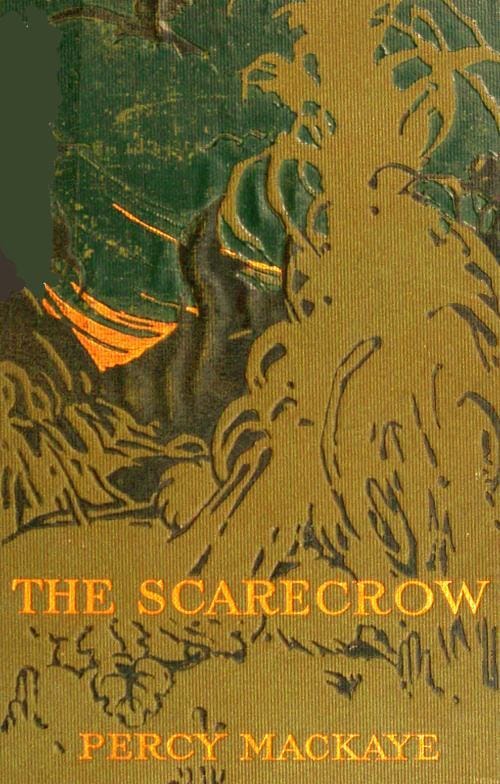
In this strange and haunting 1911 allegory, a blacksmith named Goody Rickby and her accomplice Dickon construct a scarecrow from cornstalks, crow's wings, and broomstick. But when they breathe life into their creation, naming him Ravensbane, the稻草人 undergoes a bizarre metamorphosis from field guardian to society darling, learning aristocratic manners and ascending to noble status. Percy MacKaye's surreal tragedy asks a deceptively simple question: what separates the real from the imitation? Through Ravensbane's journey from cornfield to court, the play dissects the elaborate costumes, both literal and social, that humans wear to conceal their essential emptiness. Dickon, that devilish mentor, coaches the scarecrow in the art of being human with an eerie tenderness that suggests the whole performance is a commentary on vanity itself. The "Glass of Truth" promised in the title remains perpetually just out of reach, reflecting back only the illusions we most desire to believe. MacKaye wrote this as a theatrical experiment, blending commedia dell'arte, Symbolist drama, and American folk comedy into something entirely his own. A century before absurdist theater became mainstream, he crafted this peculiar tragedy of the ludicrous for readers willing to question what makes a person real.
Editions
Link to this book
Add a free, dofollow link to Lex on your blog, forum, syllabus, or reading list.

<a href="https://lex-books.com/book/the-scarecrow-or-the-glass-of-truth-a-tragedy-of-the-ludicrous-8ff3a419-c3e6-4e02-a095-03f3c263aeb1"><img src="https://lex-books.com/badges/read-on-lex.svg" alt="Read The Scarecrow; Or the Glass of Truth: A Tragedy of the Ludicrous by Percy MacKaye free on Lex" width="160" height="40"></a>[](https://lex-books.com/book/the-scarecrow-or-the-glass-of-truth-a-tragedy-of-the-ludicrous-8ff3a419-c3e6-4e02-a095-03f3c263aeb1)[url=https://lex-books.com/book/the-scarecrow-or-the-glass-of-truth-a-tragedy-of-the-ludicrous-8ff3a419-c3e6-4e02-a095-03f3c263aeb1][img]https://lex-books.com/badges/read-on-lex.svg[/img][/url]Read The Scarecrow; Or the Glass of Truth: A Tragedy of the Ludicrous by Percy MacKaye free on Lex: https://lex-books.com/book/the-scarecrow-or-the-glass-of-truth-a-tragedy-of-the-ludicrous-8ff3a419-c3e6-4e02-a095-03f3c263aeb1Cite this book
Reading this edition for a paper or guide? Copy a citation.
MacKaye, Percy. The Scarecrow; Or the Glass of Truth: A Tragedy of the Ludicrous. Lex, lex-books.com/book/the-scarecrow-or-the-glass-of-truth-a-tragedy-of-the-ludicrous-8ff3a419-c3e6-4e02-a095-03f3c263aeb1.MacKaye, P. (1911). The Scarecrow; Or the Glass of Truth: A Tragedy of the Ludicrous. Lex. https://lex-books.com/book/the-scarecrow-or-the-glass-of-truth-a-tragedy-of-the-ludicrous-8ff3a419-c3e6-4e02-a095-03f3c263aeb1MacKaye, Percy. The Scarecrow; Or the Glass of Truth: A Tragedy of the Ludicrous. Lex. https://lex-books.com/book/the-scarecrow-or-the-glass-of-truth-a-tragedy-of-the-ludicrous-8ff3a419-c3e6-4e02-a095-03f3c263aeb1.