The Polity of the Athenians and the Lacedaemonians
The Polity of the Athenians and the Lacedaemonians
Translated by Henry Graham Dakyns
Xenophon wrote this comparative study around 355 BC, drawing on decades of firsthand experience with both city-states. As an Athenian citizen who fought as a mercenary for Sparta, who witnessed the failures of Athenian democracy and the discipline of Spartan oligarchy, he brings an unusual perspective: he has skin in the game. His analysis begins with a provocative argument, that Athenian democracy, by empowering the poor, actually undermines good governance, then proceeds to systematically examine how each state's institutions shape its citizens and military prowess. He argues that Sparta's military supremacy stems from its rigorous agoge education and collective discipline, while Athens' naval dominance flows from its democratization of sea power. For anyone curious about the roots of Western political thought, this is a rare artifact: an ancient thinker directly challenging democratic ideals, written by someone who lived inside both systems and found both wanting.
Editions
X-Ray
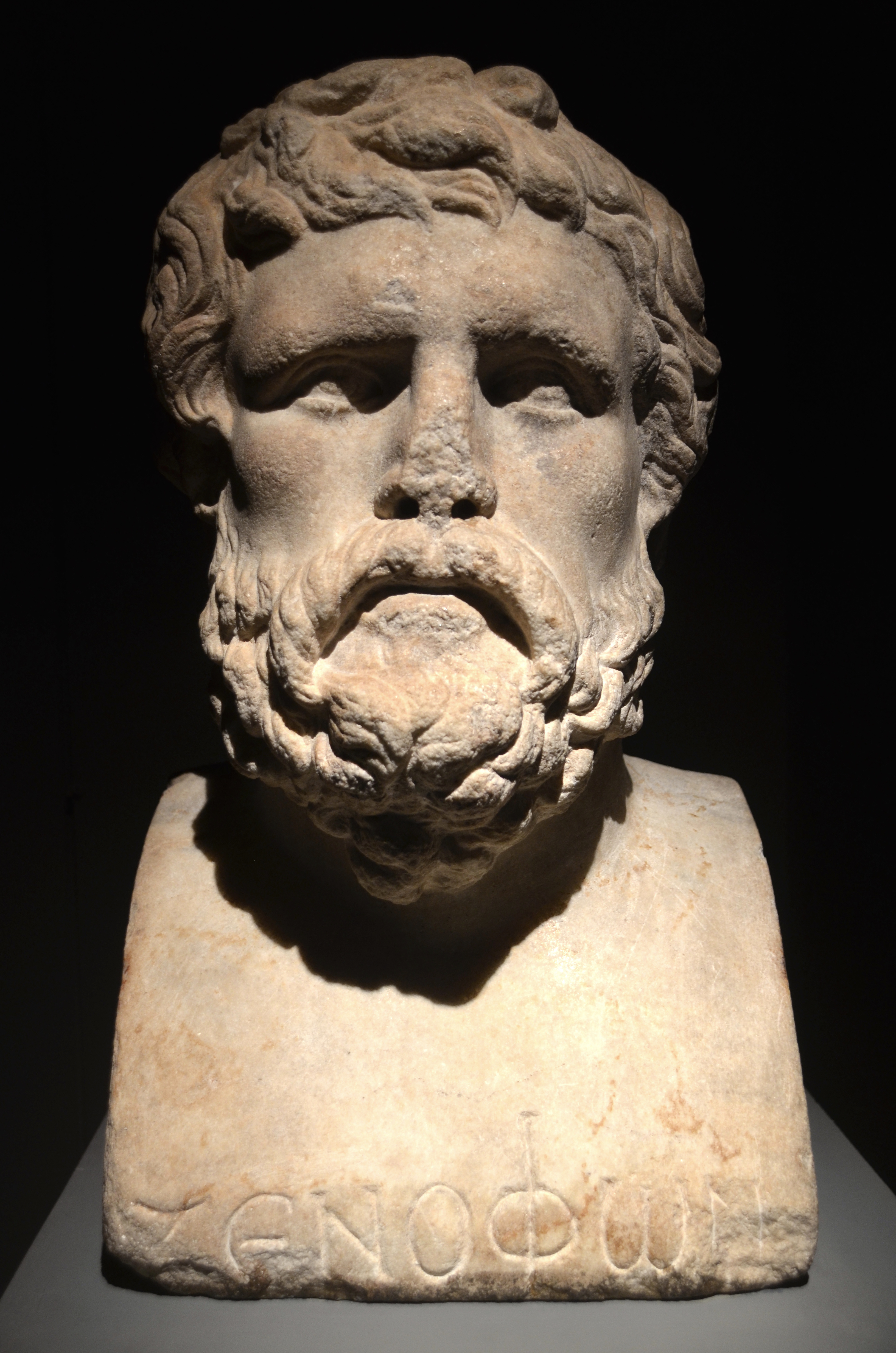
The author and narrator, an Athenian pupil of Socrates who lived 431-354 B.C. He provides critical analysis of both Athenian and Spartan political systems from the perspective of an exile who lived among the Spartans.
The legendary Spartan lawgiver who created the constitution and institutions that shaped Spartan society. Xenophon presents him as a wise legislator whose innovations produced Sparta's military excellence and social order.
The collective democratic citizenry of Athens, portrayed as the ruling power that prioritizes its own interests over traditional aristocratic values. Xenophon analyzes their political behavior with critical detachment.
The warrior-citizens of Sparta who live under Lycurgus's laws from birth to death. They represent the ideal of disciplined, communal living focused on military excellence and civic virtue.
About The Polity of the Athenians and the Lacedaemonians
Chapter Summaries
- Polity of Athenians I
- Xenophon explains why Athenian democracy serves the interests of the common people who man the fleet. He analyzes how the system logically empowers those who provide Athens's military strength while excluding aristocrats from key positions.
- Polity of Athenians II
- The author examines how Athens manages its empire through legal centralization and economic benefits. He shows how requiring allies to try cases in Athens serves both financial and political interests of the democracy.
- Polity of Athenians III
- Xenophon concludes his analysis by defending the internal logic of Athenian democracy while acknowledging its moral limitations. He argues that given democratic premises, Athens acts rationally to preserve its system.
Key Themes
- Constitutional Government
- Xenophon examines how different constitutional arrangements shape citizen behavior and state power. He contrasts Athenian democracy's focus on popular will with Sparta's mixed constitution balancing royal, aristocratic, and popular elements.
- Education and Character Formation
- The work emphasizes how political systems must shape citizens from birth through systematic education. Sparta's comprehensive training from childhood creates disciplined warriors, while Athens allows more individual freedom but less collective virtue.
- Military Excellence and Civic Virtue
- Xenophon argues that true political strength comes from citizens trained in virtue and military discipline. Sparta's focus on communal excellence produces superior soldiers, while Athens relies on naval power and wealth.
Characters
- Xenophon(protagonist)
- The author and narrator, an Athenian pupil of Socrates who lived 431-354 B.C. He provides critical analysis of both Athenian and Spartan political systems from the perspective of an exile who lived among the Spartans.
- Lycurgus(major)
- The legendary Spartan lawgiver who created the constitution and institutions that shaped Spartan society. Xenophon presents him as a wise legislator whose innovations produced Sparta's military excellence and social order.
- The Athenian People (Demos)(major)
- The collective democratic citizenry of Athens, portrayed as the ruling power that prioritizes its own interests over traditional aristocratic values. Xenophon analyzes their political behavior with critical detachment.
- Spartan Citizens(major)
- The warrior-citizens of Sparta who live under Lycurgus's laws from birth to death. They represent the ideal of disciplined, communal living focused on military excellence and civic virtue.
- Athenian Aristocrats(minor)
- The wealthy and well-born citizens of Athens who have been displaced from power by the democratic system. Xenophon suggests they represent superior virtue but lack political influence.
- Spartan Kings(minor)
- The dual monarchs of Sparta who serve as military commanders and religious leaders. They operate within constitutional limits established by Lycurgus and overseen by the ephors.
Link to this book
Add a free, dofollow link to Lex on your blog, forum, syllabus, or reading list.

<a href="https://lex-books.com/book/the-polity-of-the-athenians-and-the-lacedaemonians-b47390c4-5725-46b3-9d9e-3ebf8652ff3b"><img src="https://lex-books.com/badges/read-on-lex.svg" alt="Read The Polity of the Athenians and the Lacedaemonians by Xenophon free on Lex" width="160" height="40"></a>[](https://lex-books.com/book/the-polity-of-the-athenians-and-the-lacedaemonians-b47390c4-5725-46b3-9d9e-3ebf8652ff3b)[url=https://lex-books.com/book/the-polity-of-the-athenians-and-the-lacedaemonians-b47390c4-5725-46b3-9d9e-3ebf8652ff3b][img]https://lex-books.com/badges/read-on-lex.svg[/img][/url]Read The Polity of the Athenians and the Lacedaemonians by Xenophon free on Lex: https://lex-books.com/book/the-polity-of-the-athenians-and-the-lacedaemonians-b47390c4-5725-46b3-9d9e-3ebf8652ff3bCite this book
Reading this edition for a paper or guide? Copy a citation.
Xenophon. The Polity of the Athenians and the Lacedaemonians. Lex, lex-books.com/book/the-polity-of-the-athenians-and-the-lacedaemonians-b47390c4-5725-46b3-9d9e-3ebf8652ff3b.Xenophon (n.d.). The Polity of the Athenians and the Lacedaemonians. Lex. https://lex-books.com/book/the-polity-of-the-athenians-and-the-lacedaemonians-b47390c4-5725-46b3-9d9e-3ebf8652ff3bXenophon. The Polity of the Athenians and the Lacedaemonians. Lex. https://lex-books.com/book/the-polity-of-the-athenians-and-the-lacedaemonians-b47390c4-5725-46b3-9d9e-3ebf8652ff3b.