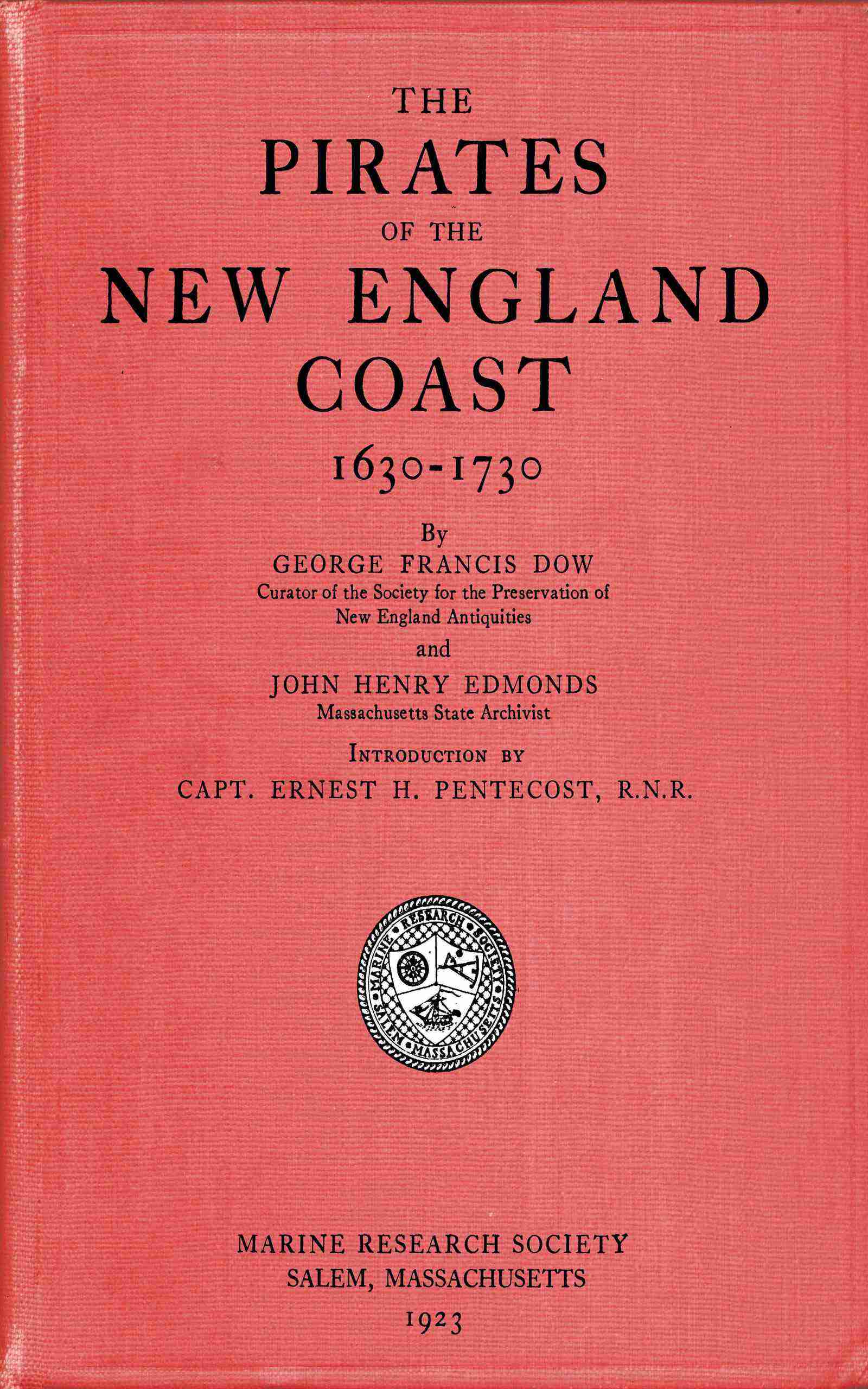
The Pirates of the New England Coast, 1630-1730
1996
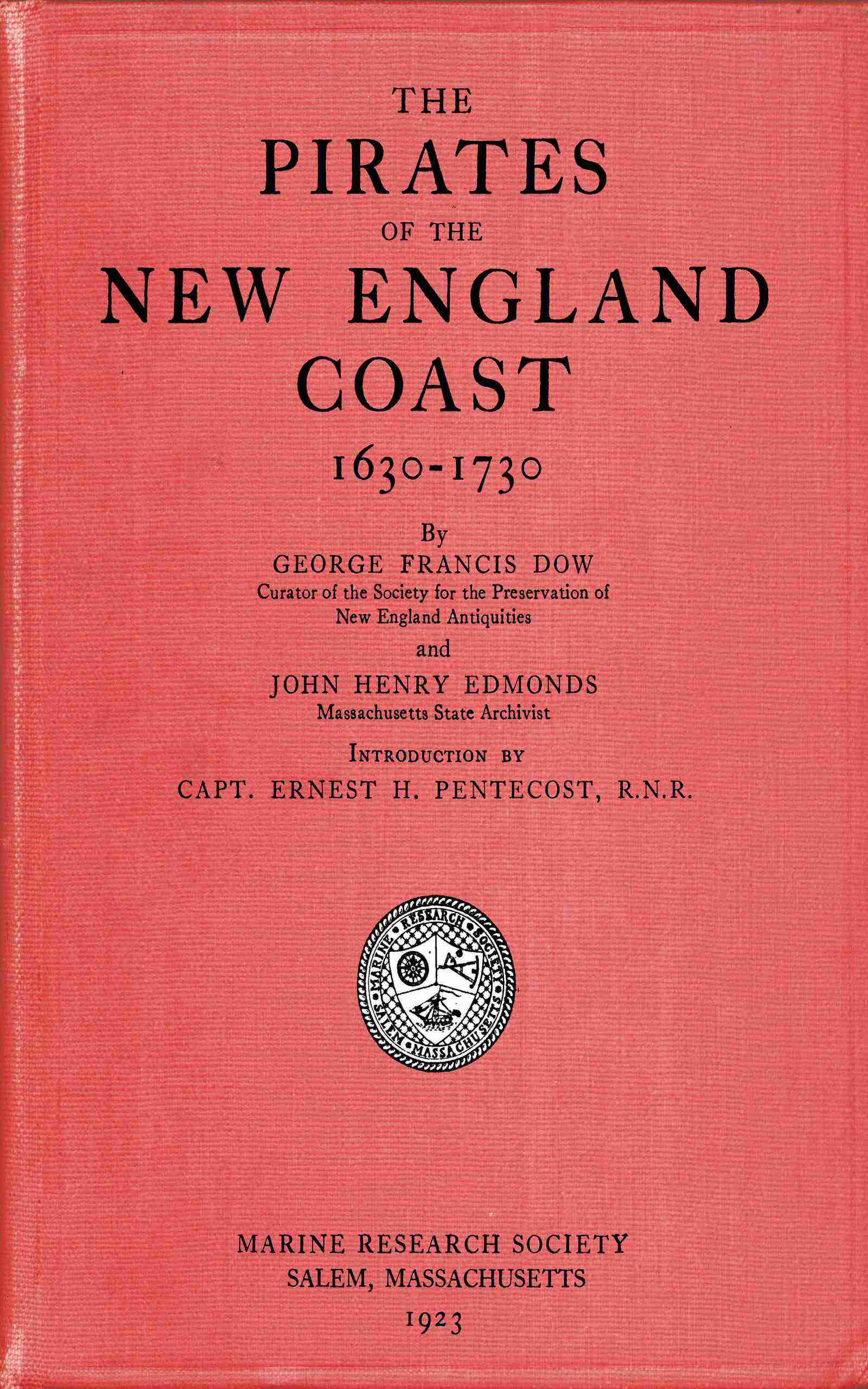
The Pirates of the New England Coast, 1630-1730
1996
A century of maritime outlaws along the rugged New England shoreline, where the line between pirate, smuggler, and honest merchant dissolved like morning fog. George Francis Dow reconstructs the shadowy world of coastal predation during the colonial era, revealing how the British Navigation Acts inadvertently birthed a generation of sea rovers who preyed on merchant vessels with unsettling impunity. This is not the Caribbean romance of gold and Jolly Rogers, but something grittier: men driven to extremity by economic hardship, punitive trade laws, and the brutal demands of survival in a harsh maritime frontier. The author grounds his account in court records, colonial papers, and contemporary accounts, separating the documented reality from the legend that grew up around these figures. What emerges is a disturbing picture of early American commerce, where the same merchants who condemned piracy often profited from it, and where colonial authorities looked the other way when outlaws served economic interests.
Editions
X-Ray
“Tabby. Named for a quarter of Bagdad where the stuff was woven. A general term for a silk taffeta, applied originally to the striped patterns, but afterwards applied also to silks of uniform color waved or watered. The bride and bridegroom were both clothed in white tabby (1654). A child's mantle of a sky-colored tabby (1696). A pale blue watered tabby (1760). Rich Morrello Tabbies. (Boston Gazette, March 25, 1734).””
— George Francis Dow
“Sleazy. An abbreviated form of silesia. A linen that took its name from Silesia in Hamborough, and not because it wore sleasy (1696). A piece of Slesey (1706).””
— George Francis Dow
“He was elected a representative to the Great and General Court and was deacon of the Ipswich church at the time of his death.””
— George Francis Dow
“Our ancestors had a highly developed appreciation of the value of condiments. In a Salem inventory at a somewhat later date appear salt, pepper, ginger, cloves, mace, cinnamon, nutmegs, and allspice.””
— George Francis Dow
“One of the standard examples of American humor is the picture of the Mayflower loaded to the cross-trees with the chairs, chests and cradles that devout New Englanders now own and claim were brought over on that memorable voyage.””
— George Francis Dow
Link to this book
Add a free, dofollow link to Lex on your blog, forum, syllabus, or reading list.

<a href="https://lex-books.com/book/the-pirates-of-the-new-england-coast-1630-1730-9f3caaa8-9185-4372-999b-2f4b97991721"><img src="https://lex-books.com/badges/read-on-lex.svg" alt="Read The Pirates of the New England Coast, 1630-1730 by George Francis Dow free on Lex" width="160" height="40"></a>[](https://lex-books.com/book/the-pirates-of-the-new-england-coast-1630-1730-9f3caaa8-9185-4372-999b-2f4b97991721)[url=https://lex-books.com/book/the-pirates-of-the-new-england-coast-1630-1730-9f3caaa8-9185-4372-999b-2f4b97991721][img]https://lex-books.com/badges/read-on-lex.svg[/img][/url]Read The Pirates of the New England Coast, 1630-1730 by George Francis Dow free on Lex: https://lex-books.com/book/the-pirates-of-the-new-england-coast-1630-1730-9f3caaa8-9185-4372-999b-2f4b97991721Cite this book
Reading this edition for a paper or guide? Copy a citation.
Dow, George Francis. The Pirates of the New England Coast, 1630-1730. Lex, lex-books.com/book/the-pirates-of-the-new-england-coast-1630-1730-9f3caaa8-9185-4372-999b-2f4b97991721.Dow, G. F. (1996). The Pirates of the New England Coast, 1630-1730. Lex. https://lex-books.com/book/the-pirates-of-the-new-england-coast-1630-1730-9f3caaa8-9185-4372-999b-2f4b97991721Dow, George Francis. The Pirates of the New England Coast, 1630-1730. Lex. https://lex-books.com/book/the-pirates-of-the-new-england-coast-1630-1730-9f3caaa8-9185-4372-999b-2f4b97991721.