The Peoples of India
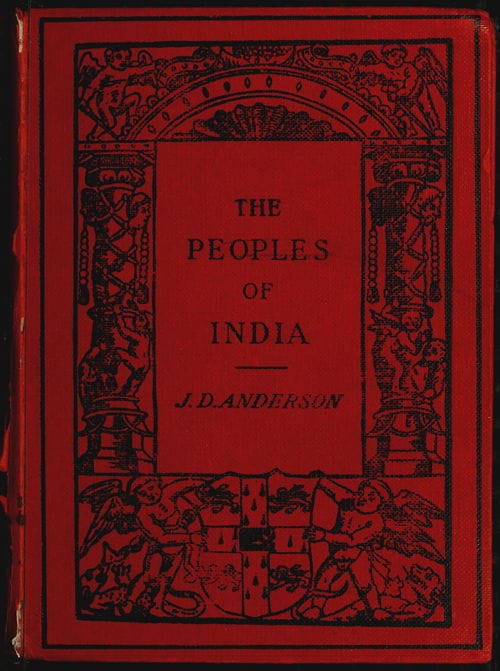
This book is a fascinating artifact of early twentieth-century ethnography, capturing British colonial scholarship's attempt to comprehend the staggering complexity of Indian society at the height of the British Raj. J.D. Anderson systematically examines India's racial categories, caste hierarchies, linguistic diversity, and religious traditions, presenting what he perceives as an integrated picture of a civilization divided into seemingly countless distinct peoples. The work reflects both the prodigious scholarly rigor and the inevitable biases of its era, offering modern readers a window into how colonial administrators and scholars categorized and understood the subcontinent they governed. Anderson's effort to map the intricate relationships between India's various populations reveals both the diversity that makes Indian civilization extraordinary and the problematic frameworks through which British scholars often interpreted that diversity. For readers interested in the history of anthropology, colonial India, or the evolution of racial and caste theory, this serves as an essential primary document. It remains valuable not for its conclusions, which have been thoroughly superseded, but for what it reveals about the intellectual assumptions and categories that shaped colonial governance and Western understanding of India.
Editions
Link to this book
Add a free, dofollow link to Lex on your blog, forum, syllabus, or reading list.

<a href="https://lex-books.com/book/the-peoples-of-india-1d140147-50a8-4c0b-806f-7a169dfa1ef1"><img src="https://lex-books.com/badges/read-on-lex.svg" alt="Read The Peoples of India by J. D. Anderson free on Lex" width="160" height="40"></a>[](https://lex-books.com/book/the-peoples-of-india-1d140147-50a8-4c0b-806f-7a169dfa1ef1)[url=https://lex-books.com/book/the-peoples-of-india-1d140147-50a8-4c0b-806f-7a169dfa1ef1][img]https://lex-books.com/badges/read-on-lex.svg[/img][/url]Read The Peoples of India by J. D. Anderson free on Lex: https://lex-books.com/book/the-peoples-of-india-1d140147-50a8-4c0b-806f-7a169dfa1ef1Cite this book
Reading this edition for a paper or guide? Copy a citation.
Anderson, J. D.. The Peoples of India. Lex, lex-books.com/book/the-peoples-of-india-1d140147-50a8-4c0b-806f-7a169dfa1ef1.Anderson, J. D. (n.d.). The Peoples of India. Lex. https://lex-books.com/book/the-peoples-of-india-1d140147-50a8-4c0b-806f-7a169dfa1ef1Anderson, J. D.. The Peoples of India. Lex. https://lex-books.com/book/the-peoples-of-india-1d140147-50a8-4c0b-806f-7a169dfa1ef1.