The Orchestral Conductor: Theory of His Art
1855
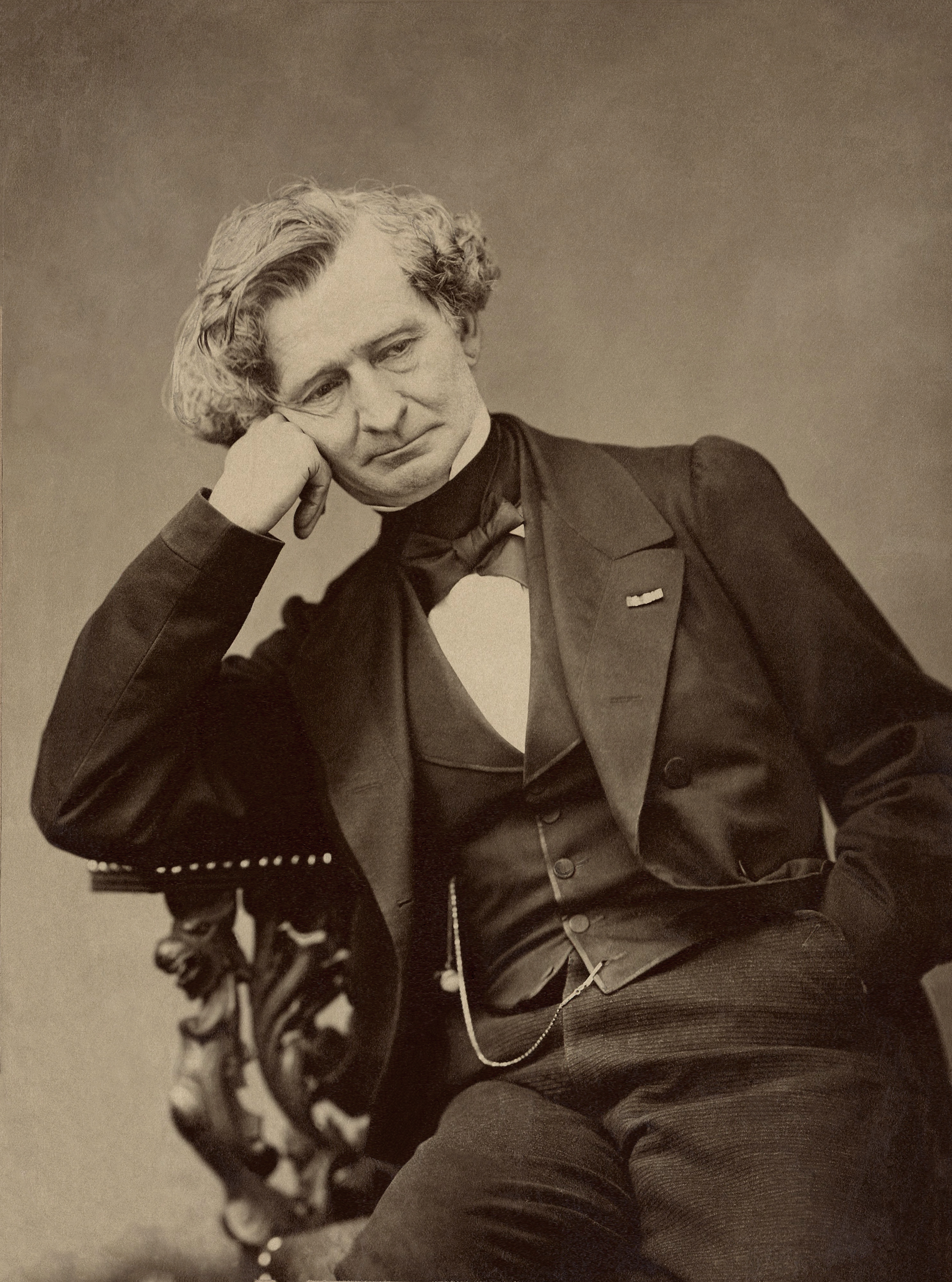
Hector Berlioz wrote this book not as an outsider theorizing about orchestras, but as the composer who revolutionized what the symphony could be. In 1855, conducting was still a wild, undefined art, and Berlioz set out to codify what he knew in his bones: that the man (or woman) before an orchestra holds absolute power over whether music lives or dies. This is part technical manual, part passionate manifesto. Berlioz breaks down the mechanics of beating time, the psychology of rehearsal, the politics of managing musicians, and the sacred duty of interpreting a composer's vision. But he goes further. He argues that technical mastery means nothing without emotional fire, that the conductor must be scholar, psychologist, and poet combined. He skewers incompetent conductors with the same ferocity he brought to his own symphonies. Whether you pick this up as a practicing conductor, a curious listener, or someone who wants to understand the invisible magic behind orchestral performances, Berlioz's treatise remains essential. It captures a moment when conducting was being invented, written by the man who helped invent it.
Editions
Link to this book
Add a free, dofollow link to Lex on your blog, forum, syllabus, or reading list.

<a href="https://lex-books.com/book/the-orchestral-conductor-theory-of-his-art-6a424c3b-a322-491a-af5c-bd19eeb63fc4"><img src="https://lex-books.com/badges/read-on-lex.svg" alt="Read The Orchestral Conductor: Theory of His Art by Hector Berlioz free on Lex" width="160" height="40"></a>[](https://lex-books.com/book/the-orchestral-conductor-theory-of-his-art-6a424c3b-a322-491a-af5c-bd19eeb63fc4)[url=https://lex-books.com/book/the-orchestral-conductor-theory-of-his-art-6a424c3b-a322-491a-af5c-bd19eeb63fc4][img]https://lex-books.com/badges/read-on-lex.svg[/img][/url]Read The Orchestral Conductor: Theory of His Art by Hector Berlioz free on Lex: https://lex-books.com/book/the-orchestral-conductor-theory-of-his-art-6a424c3b-a322-491a-af5c-bd19eeb63fc4Cite this book
Reading this edition for a paper or guide? Copy a citation.
Berlioz, Hector. The Orchestral Conductor: Theory of His Art. Lex, lex-books.com/book/the-orchestral-conductor-theory-of-his-art-6a424c3b-a322-491a-af5c-bd19eeb63fc4.Berlioz, H. (1855). The Orchestral Conductor: Theory of His Art. Lex. https://lex-books.com/book/the-orchestral-conductor-theory-of-his-art-6a424c3b-a322-491a-af5c-bd19eeb63fc4Berlioz, Hector. The Orchestral Conductor: Theory of His Art. Lex. https://lex-books.com/book/the-orchestral-conductor-theory-of-his-art-6a424c3b-a322-491a-af5c-bd19eeb63fc4.