The Olynthiacs and the Phillippics of Demosthenes: Literally Translated with Notes
1889
The Olynthiacs and the Phillippics of Demosthenes: Literally Translated with Notes
1889
Translated by Charles Rann Kennedy
These are the speeches that shaped the political imagination of the Western world. Demosthenes, the greatest orator of antiquity, delivered these fiery warnings to the Athenian assembly over two decades, pleading with his fellow citizens to recognize the existential threat posed by Philip II of Macedon. The Olynthiacs (349-348 BC) beg Athens to send aid to the northern Greek city of Olynthus before it falls to Philip's advancing army. The Philippics (351-340 BC) are devastating rhetorical assaults on Philip's ambitions, arguing that Athenian complacency has allowed Macedon to swallow city after city. These are not dusty historical artifacts but urgent cries about the fragility of freedom, the cost of inaction, and the duty of citizens to their democracy. Demosthenes lost in the end - Philip conquered Greece, and Demosthenes died in exile - but his words survive as perhaps the greatest example of political oratory in human history. Essential for anyone who cares about rhetoric, ancient history, or the art of persuasion.
Editions
X-Ray
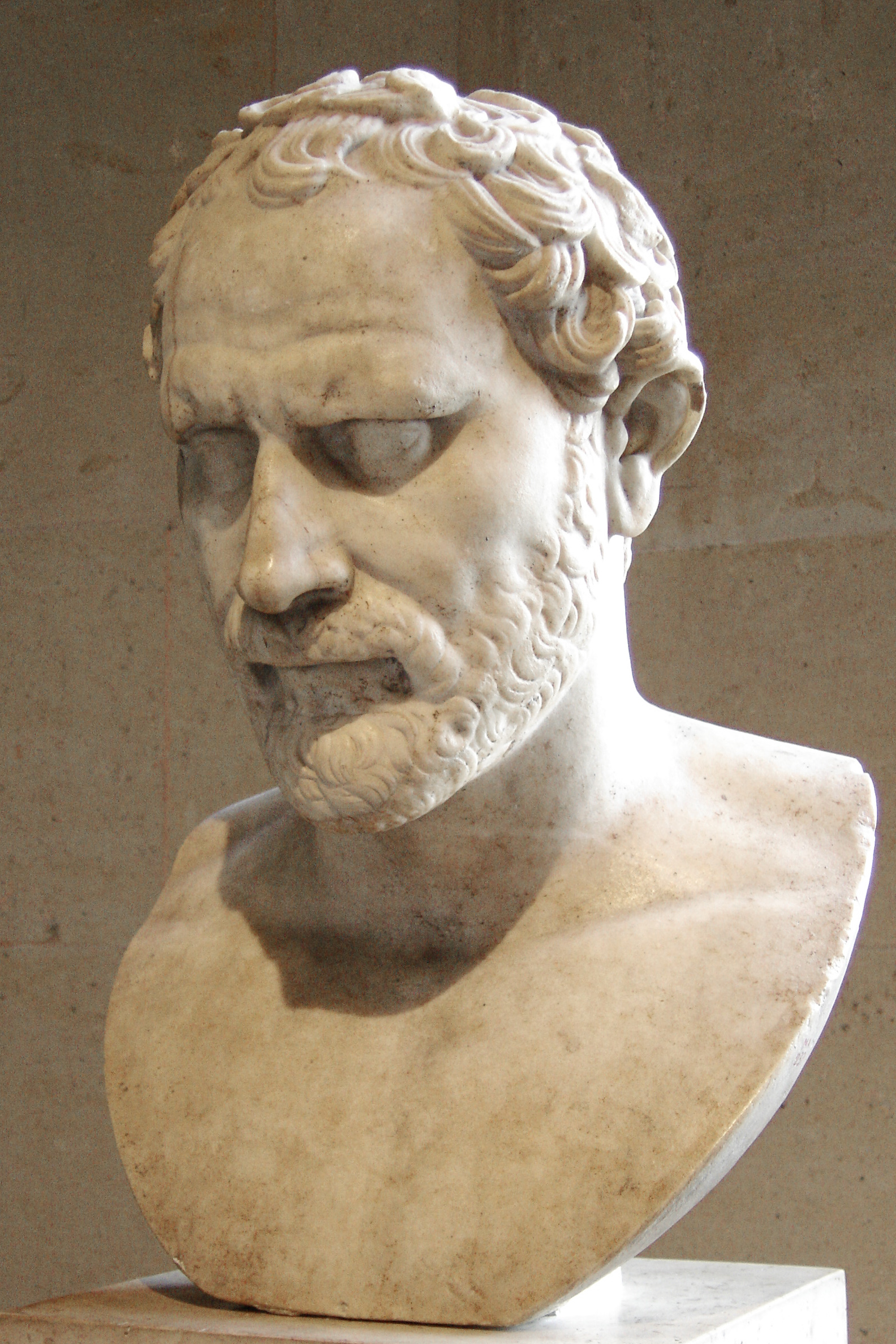
The great Athenian orator and statesman who delivered these speeches warning against Philip of Macedon's growing power. He consistently advocates for military action and resistance to Philip's expansion.
The ambitious king of Macedonia who systematically conquers Greek cities and threatens Athenian independence. Though not physically present, he is the central threat throughout all speeches.
The citizens of Athens assembled in the popular assembly, whom Demosthenes addresses. They are characterized as reluctant to take decisive military action despite the growing threat.
Citizens of the powerful Greek city of Olynthus who initially allied with Philip but later sought Athenian help when threatened by him. They represent the pattern of Philip's conquests.
About The Olynthiacs and the Phillippics of Demosthenes: Literally Translated with Notes
Chapter Summaries
- 1
- Demosthenes urges immediate aid to Olynthus, which has broken with Philip and seeks Athenian alliance. He argues this is a golden opportunity to check Philip's expansion and warns against the pattern of Athenian delays that have allowed previous conquests.
- 2
- The orator encourages Athens by arguing that Philip's power, built on deception and force, is inherently unstable. He describes the internal weaknesses of Philip's empire and the discontent of his subjects, particularly in Thessaly.
- 3
- Demosthenes boldly addresses the Theoric fund issue, suggesting that laws preventing its use for military purposes should be repealed. He contrasts current Athenian weakness with ancestral greatness and demands immediate action.
Key Themes
- Political Corruption and Bribery
- Demosthenes repeatedly condemns orators and politicians who have been bought by Philip's gold, arguing that internal corruption is as dangerous as external enemies. He contrasts this with the incorruptible virtue of Athens's ancestors.
- Civic Duty vs. Personal Comfort
- A central tension between the citizens' desire for ease and entertainment (funded by the Theoric fund) versus their obligation to serve militarily and financially support the state's defense.
- The Decline of Athenian Power
- Demosthenes mourns Athens's fall from its former glory as leader of Greece, attributing this decline to complacency, poor leadership, and abandonment of the martial virtues that made the city great.
Characters
- Demosthenes(protagonist)
- The great Athenian orator and statesman who delivered these speeches warning against Philip of Macedon's growing power. He consistently advocates for military action and resistance to Philip's expansion.
- Philip of Macedon(antagonist)
- The ambitious king of Macedonia who systematically conquers Greek cities and threatens Athenian independence. Though not physically present, he is the central threat throughout all speeches.
- Athenian People(major)
- The citizens of Athens assembled in the popular assembly, whom Demosthenes addresses. They are characterized as reluctant to take decisive military action despite the growing threat.
- Olynthians(major)
- Citizens of the powerful Greek city of Olynthus who initially allied with Philip but later sought Athenian help when threatened by him. They represent the pattern of Philip's conquests.
- Aeschines(major)
- Athenian orator and political rival of Demosthenes, implicitly criticized as being corrupted by Philip's gold and advocating for peace with Macedonia.
- Eubulus(minor)
- Athenian politician who created laws diverting military funds to theatrical and festival expenses, making it difficult to finance war efforts.
Link to this book
Add a free, dofollow link to Lex on your blog, forum, syllabus, or reading list.

<a href="https://lex-books.com/book/the-olynthiacs-and-the-phillippics-of-demosthenes-literally-translated-with-note-05c68220-5394-4b90-b373-a3b1b230ab7e"><img src="https://lex-books.com/badges/read-on-lex.svg" alt="Read The Olynthiacs and the Phillippics of Demosthenes: Literally Translated with Notes by Demosthenes free on Lex" width="160" height="40"></a>[](https://lex-books.com/book/the-olynthiacs-and-the-phillippics-of-demosthenes-literally-translated-with-note-05c68220-5394-4b90-b373-a3b1b230ab7e)[url=https://lex-books.com/book/the-olynthiacs-and-the-phillippics-of-demosthenes-literally-translated-with-note-05c68220-5394-4b90-b373-a3b1b230ab7e][img]https://lex-books.com/badges/read-on-lex.svg[/img][/url]Read The Olynthiacs and the Phillippics of Demosthenes: Literally Translated with Notes by Demosthenes free on Lex: https://lex-books.com/book/the-olynthiacs-and-the-phillippics-of-demosthenes-literally-translated-with-note-05c68220-5394-4b90-b373-a3b1b230ab7eCite this book
Reading this edition for a paper or guide? Copy a citation.
Demosthenes. The Olynthiacs and the Phillippics of Demosthenes: Literally Translated with Notes. Lex, lex-books.com/book/the-olynthiacs-and-the-phillippics-of-demosthenes-literally-translated-with-note-05c68220-5394-4b90-b373-a3b1b230ab7e.Demosthenes (1889). The Olynthiacs and the Phillippics of Demosthenes: Literally Translated with Notes. Lex. https://lex-books.com/book/the-olynthiacs-and-the-phillippics-of-demosthenes-literally-translated-with-note-05c68220-5394-4b90-b373-a3b1b230ab7eDemosthenes. The Olynthiacs and the Phillippics of Demosthenes: Literally Translated with Notes. Lex. https://lex-books.com/book/the-olynthiacs-and-the-phillippics-of-demosthenes-literally-translated-with-note-05c68220-5394-4b90-b373-a3b1b230ab7e.