The New World of Islam
The New World of Islam
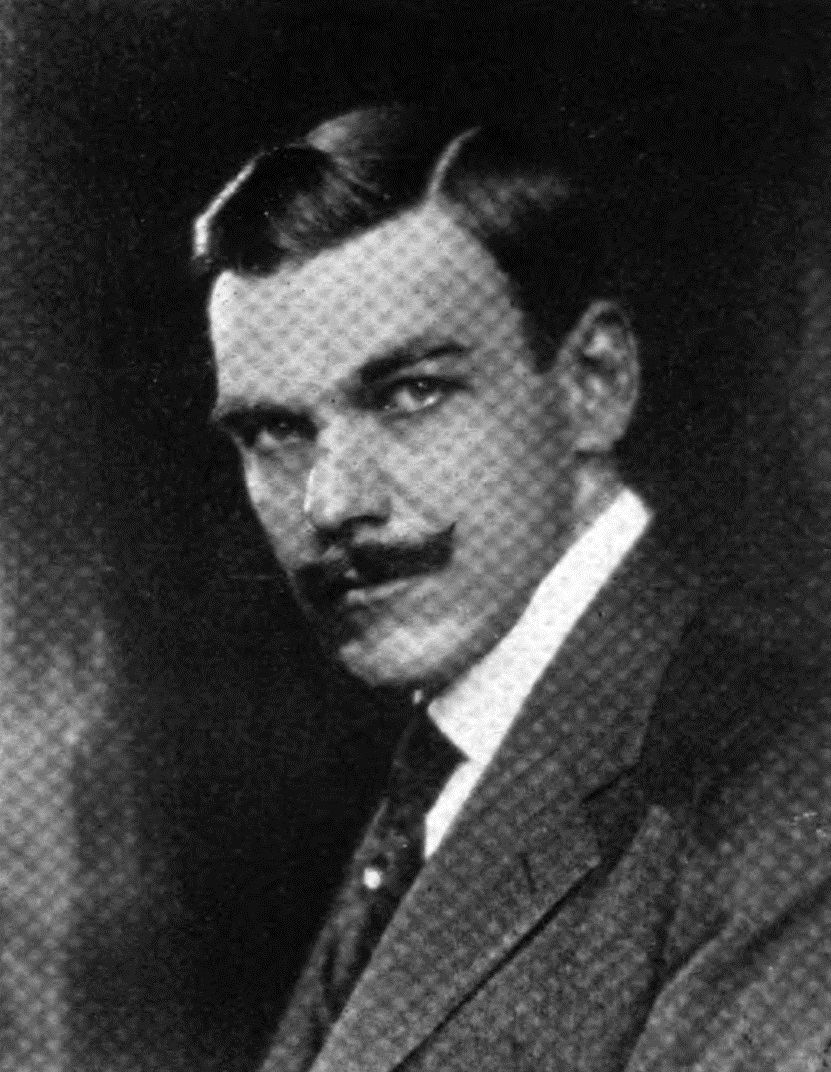
Written in the aftermath of the Great War, when the Ottoman Empire lay in ruins and the Islamic world faced existential questions about its future, Lothrop Stoddard's 1921 analysis captured a civilization at a crossroads. From the mosques of Morocco to the Silk Road cities of China, Stoddard traces the collapse of traditional Islamic society and the urgent reform movements that emerged to meet it. He examines the dual pressures of Western imperialism and internal stagnation, the rise of Pan-Islamic consciousness, and the figures who sought to reconcile Islam with modernity without surrendering its spiritual core. The book captures a pivotal moment when Muslim intellectuals and activists across a vast territory were asking the same question: how could a great civilization renew itself? Stoddard's account remains a valuable time capsule of early twentieth-century Islamic thought, showing the roots of movements that would shape the century to come. For readers seeking to understand the intellectual origins of modern Islamic politics, the complexities of East-West relations, or simply a civilization in dramatic transformation, this book offers an earnest, comprehensive, and historically situated portrait.
Editions
X-Ray
“We have adopted European costume, European ways of living, even the European vices of drinking and gambling, but none of their virtues. This must be remedied. We must learn at the feet of Europe, but not at the sacrifice of our Eastern individuality. But this is precisely what we have not done. We have dabbled a little in English and European history, and we have commenced to despise our religion, our literature, our history, our traditions. We have unlearned the lessons of our history and our civilization, and in their place we have secured nothing solid and substantial to hold society fast in the midst of endless changes." In fine: "Destruction has done its work, but the work of construction has not yet begun.””
— Lothrop Stoddard
Link to this book
Add a free, dofollow link to Lex on your blog, forum, syllabus, or reading list.

<a href="https://lex-books.com/book/the-new-world-of-islam-c98364c6-924e-4fa9-bc39-24bb2c186623"><img src="https://lex-books.com/badges/read-on-lex.svg" alt="Read The New World of Islam by Lothrop Stoddard free on Lex" width="160" height="40"></a>[](https://lex-books.com/book/the-new-world-of-islam-c98364c6-924e-4fa9-bc39-24bb2c186623)[url=https://lex-books.com/book/the-new-world-of-islam-c98364c6-924e-4fa9-bc39-24bb2c186623][img]https://lex-books.com/badges/read-on-lex.svg[/img][/url]Read The New World of Islam by Lothrop Stoddard free on Lex: https://lex-books.com/book/the-new-world-of-islam-c98364c6-924e-4fa9-bc39-24bb2c186623Cite this book
Reading this edition for a paper or guide? Copy a citation.
Stoddard, Lothrop. The New World of Islam. Lex, lex-books.com/book/the-new-world-of-islam-c98364c6-924e-4fa9-bc39-24bb2c186623.Stoddard, L. (n.d.). The New World of Islam. Lex. https://lex-books.com/book/the-new-world-of-islam-c98364c6-924e-4fa9-bc39-24bb2c186623Stoddard, Lothrop. The New World of Islam. Lex. https://lex-books.com/book/the-new-world-of-islam-c98364c6-924e-4fa9-bc39-24bb2c186623.