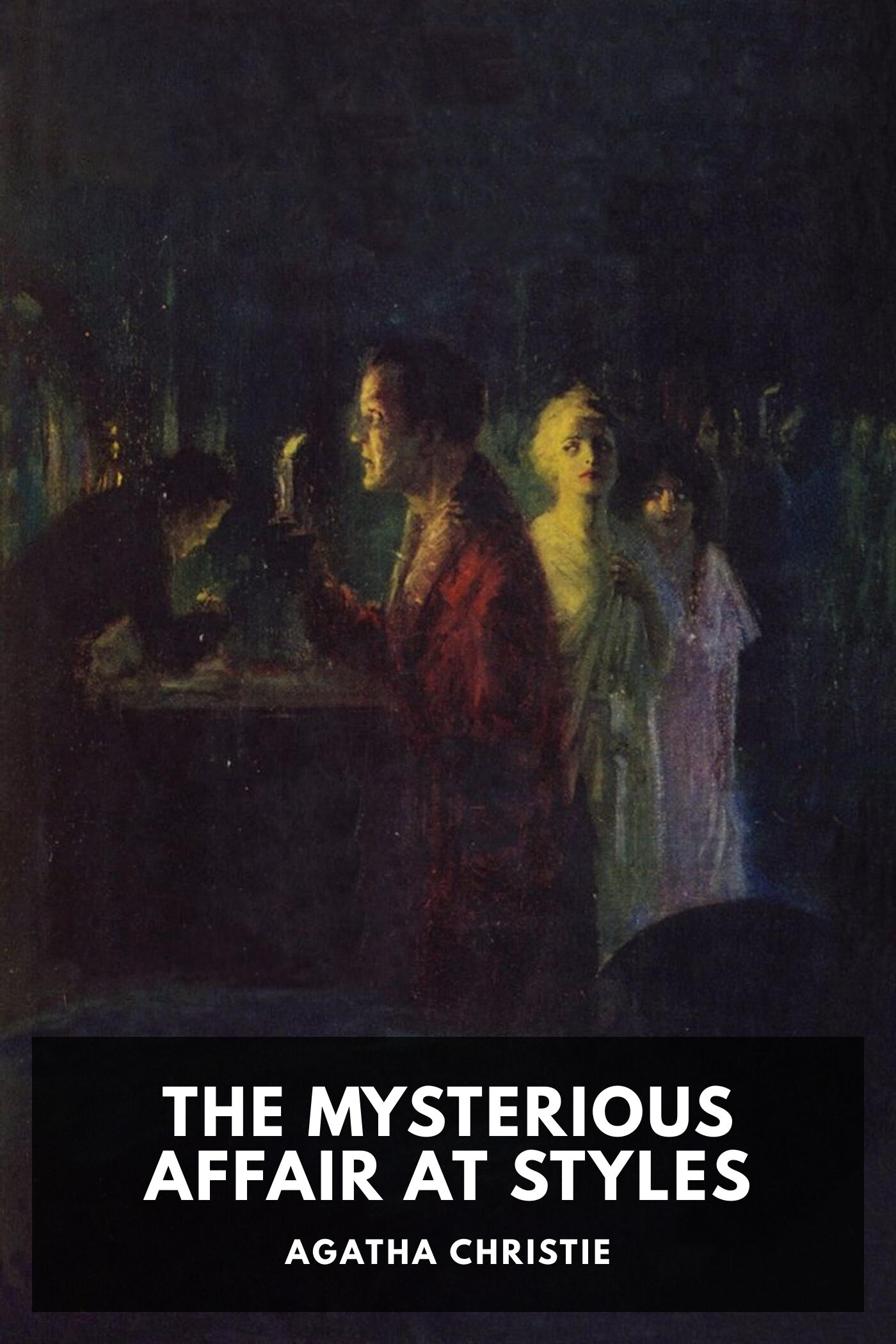
The Mysterious Affair at Styles
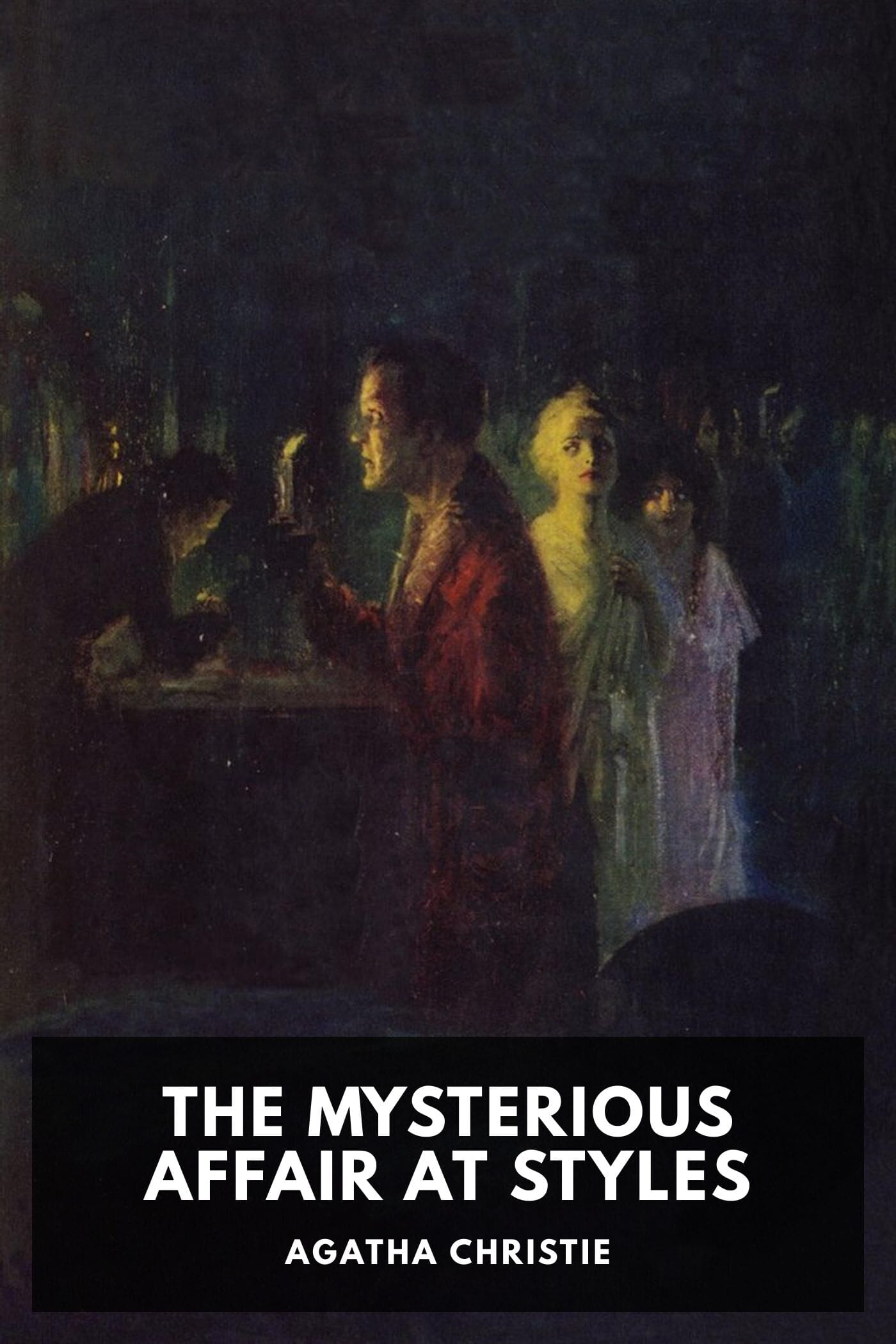
Step into the grand, gaslit country estate of Styles, where the formidable matriarch Emily Inglethorp has met an untimely, suspicious end. Enter Captain Arthur Hastings, convalescing from war wounds, and his old friend, a peculiar Belgian refugee with an egg-shaped head and an obsession with order: Hercule Poirot. This novel, Agatha Christie's debut, introduces the iconic detective as he navigates a labyrinthine plot of secret wills, jealous heirs, and a house full of suspects, each with a motive as murky as the poison that ended Mrs. Inglethorp's life. Poirot, with his 'little grey cells,' must untangle the intricate web of lies and alibis to expose the killer hiding in plain sight. More than just a classic whodunit, *The Mysterious Affair at Styles* is a foundational text of the Golden Age of Detective Fiction, laying the groundwork for countless mysteries to come. It's a masterclass in misdirection and meticulous plotting, inviting readers to pit their wits against Christie's genius. Experience the birth of a literary legend and discover the sheer pleasure of a perfectly constructed puzzle, where every clue matters and the solution, once revealed, feels both inevitable and astonishing. This is where the game truly began.
Editions


X-Ray
A famous Belgian detective, small in stature with an egg-shaped head and military mustache. Meticulous and methodical, he uses psychology and observation to solve crimes.
The narrator, a former soldier recovering from war wounds. Poirot's loyal friend who often misses obvious clues but provides a Watson-like perspective.
The murder victim, a wealthy elderly widow who owns Styles Court. Generous but controlling, recently remarried to a much younger man.
Emily's second husband, twenty years her junior with a distinctive black beard and theatrical manner. Appears to be a fortune hunter.
About The Mysterious Affair at Styles
Chapter Summaries
- 1
- Hastings, recovering from war wounds, visits his old friend John Cavendish at Styles Court. He meets the household including Emily Inglethorp and her much younger husband Alfred, whom everyone seems to dislike.
- 2
- The events leading up to Emily's death unfold. There's a violent quarrel between Emily and someone, Evelyn Howard leaves after confronting Emily about Alfred, and Emily dies in the early morning hours after apparent strychnine poisoning.
- 3
- Emily's death throes are discovered when her bell rings violently. The household breaks down her locked door to find her in convulsions, and she dies despite Dr. Bauerstein's efforts to save her.
Key Themes
- Appearance vs. Reality
- The novel constantly plays with false appearances and misdirection. The obvious suspect (Alfred) is innocent, while the real murderers hide behind masks of respectability and loyalty.
- Justice and Truth
- Poirot's methodical pursuit of truth demonstrates that justice requires patience, observation, and the courage to look beyond surface appearances to uncover complex motives.
- Class and Social Hierarchy
- The story explores the tensions between old English aristocracy and new money, as well as the dependencies created by wealth and social position within the household structure.
Characters
- Hercule Poirot(protagonist)
- A famous Belgian detective, small in stature with an egg-shaped head and military mustache. Meticulous and methodical, he uses psychology and observation to solve crimes.
- Arthur Hastings(major)
- The narrator, a former soldier recovering from war wounds. Poirot's loyal friend who often misses obvious clues but provides a Watson-like perspective.
- Emily Inglethorp(major)
- The murder victim, a wealthy elderly widow who owns Styles Court. Generous but controlling, recently remarried to a much younger man.
- Alfred Inglethorp(antagonist)
- Emily's second husband, twenty years her junior with a distinctive black beard and theatrical manner. Appears to be a fortune hunter.
- John Cavendish(major)
- Emily's elder stepson, a country squire in his forties. Financially dependent on his stepmother and unhappily married.
- Mary Cavendish(major)
- John's wife, a beautiful and enigmatic woman of mixed English-Russian heritage. Proud and reserved, with a mysterious past.
Link to this book
Add a free, dofollow link to Lex on your blog, forum, syllabus, or reading list.

<a href="https://lex-books.com/book/the-mysterious-affair-at-styles-54db31c3-50f1-45d8-8e15-dd634d550ff1"><img src="https://lex-books.com/badges/read-on-lex.svg" alt="Read The Mysterious Affair at Styles by Agatha Christie free on Lex" width="160" height="40"></a>[](https://lex-books.com/book/the-mysterious-affair-at-styles-54db31c3-50f1-45d8-8e15-dd634d550ff1)[url=https://lex-books.com/book/the-mysterious-affair-at-styles-54db31c3-50f1-45d8-8e15-dd634d550ff1][img]https://lex-books.com/badges/read-on-lex.svg[/img][/url]Read The Mysterious Affair at Styles by Agatha Christie free on Lex: https://lex-books.com/book/the-mysterious-affair-at-styles-54db31c3-50f1-45d8-8e15-dd634d550ff1Cite this book
Reading this edition for a paper or guide? Copy a citation.
Christie, Agatha. The Mysterious Affair at Styles. Lex, lex-books.com/book/the-mysterious-affair-at-styles-54db31c3-50f1-45d8-8e15-dd634d550ff1.Christie, A. (n.d.). The Mysterious Affair at Styles. Lex. https://lex-books.com/book/the-mysterious-affair-at-styles-54db31c3-50f1-45d8-8e15-dd634d550ff1Christie, Agatha. The Mysterious Affair at Styles. Lex. https://lex-books.com/book/the-mysterious-affair-at-styles-54db31c3-50f1-45d8-8e15-dd634d550ff1.