The History of the Peloponnesian War

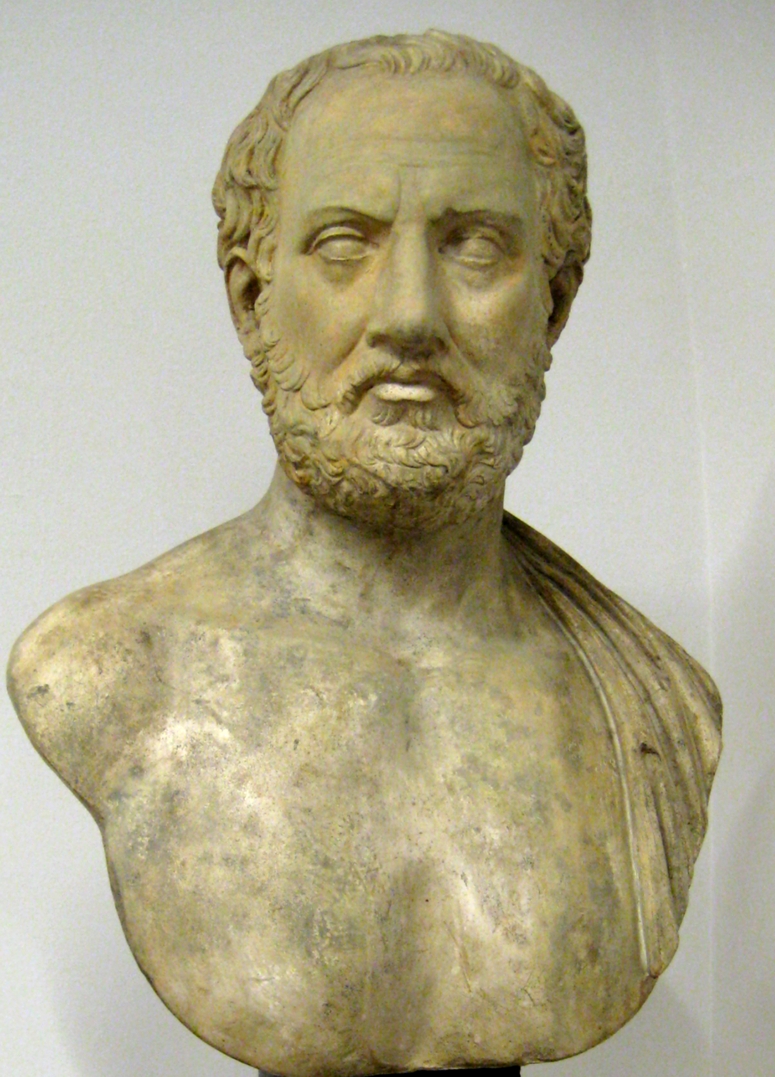
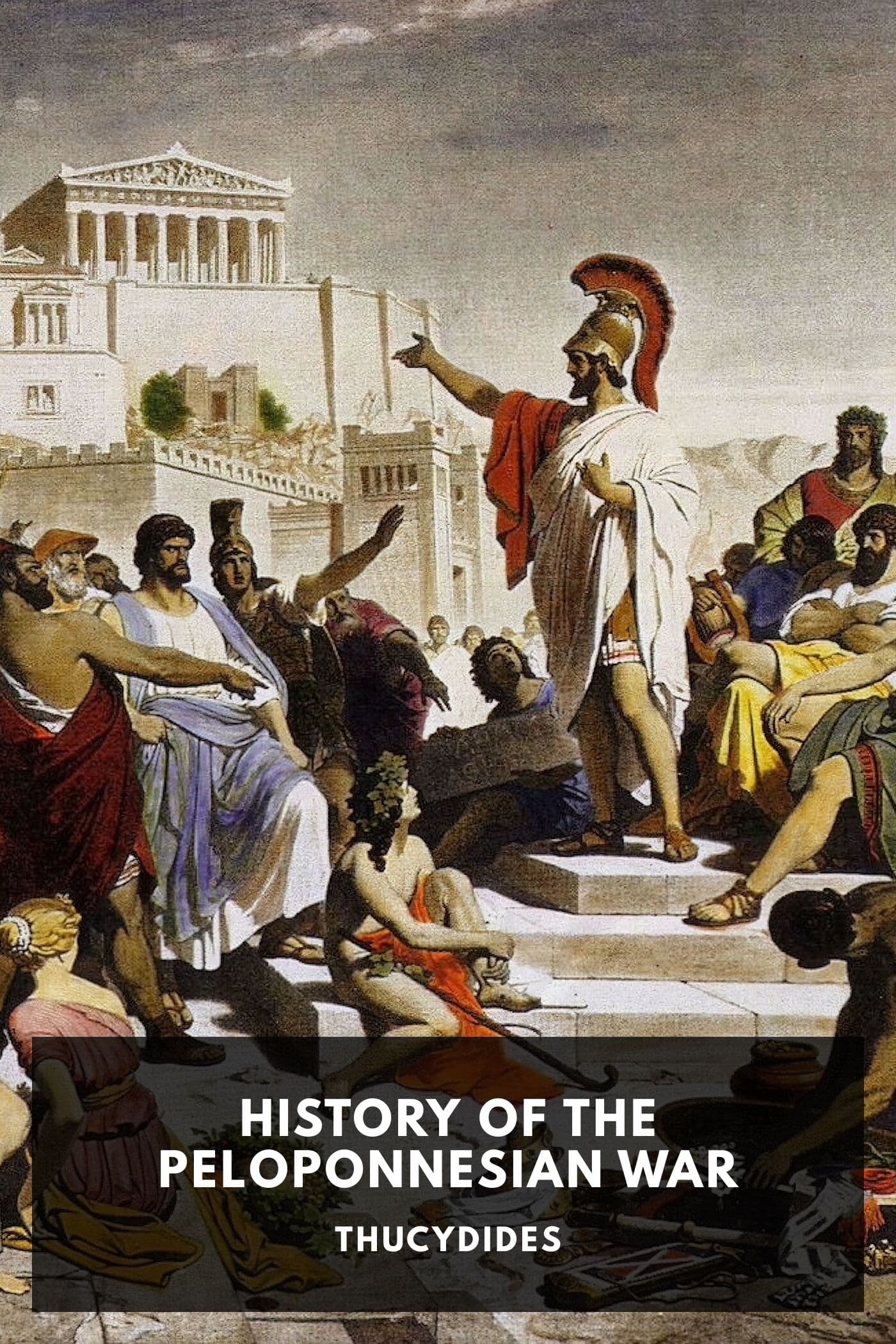
Thucydides wrote this history because he was there. An Athenian general exiled for failing to save a city, he turned his failure into the most ruthlessly honest account of war ever composed. This is not heroic poetry or patriotic mythology. It is the first work in Western literature to insist that history can be investigated, that causation can be traced, that leaders must be held to account for their decisions. The result is a document of extraordinary coldness and power: the plague that turned Athens into a charnel house, the Melian Dialogue where Athens tells a tiny island "you have no choice but to submit," the Sicilian Expedition that became a slow-motion catastrophe, the civil wars that dissolved every moral constraint. What makes Thucydides endure is not his patriotism but his refusal to comfort. He shows democracy under pressure devouring itself, imperial power revealing its true logic, and human beings making the same catastrophic choices again and again. The Funeral Oration still resonates because it asks what citizens owe to a city worth dying for. This is political realism before the term existed, and it remains the foundation of how nations think about power.
Editions


X-Ray
“Self-control is the chief element in self-respect, and self-respect is the chief element in courage.””
— Thucydides
“Most people, in fact, will not take the trouble in finding out the truth, but are much more inclined to accept the first story they hear.””
— Thucydides
“Right, as the world goes, is only in question between equals in power, while the strong do what they can and the weak suffer what they must.””
— Thucydides
“For the whole earth is the tomb of famous men; not only are they commemorated by columns and inscriptions in their own country, but in foreign lands there dwells also an unwritten memorial of them, graven not on stone but in the hearts of men. Make them your examples, and, esteeming courage to be freedom and freedom to be happiness, do not weigh too nicely the perils of war."[Funeral Oration of Pericles]””
— Thucydides
“When one is deprived of ones liberty, one is right in blaming not so much the man who puts the shackles on as the one who had the power to prevent him, but did not use it.””
— Thucydides
“War is a matter not so much of arms as of money.””
— Thucydides
“A man who has the knowledge but lacks the power clearly to express it is no better off than if he never had any ideas at all.””
— Thucydides
“Men who are capable of real action first make their plans and then go forward without hesitation while their enemies have still not made up their minds.””
— Thucydides
“My work is not a piece of writing designed to meet the needs of an immediate public, but was done to last for ever.””
— Thucydides
Link to this book
Add a free, dofollow link to Lex on your blog, forum, syllabus, or reading list.

<a href="https://lex-books.com/book/the-history-of-the-peloponnesian-war-1da2aa74-d8e5-4630-a67c-1535912f15a0"><img src="https://lex-books.com/badges/read-on-lex.svg" alt="Read The History of the Peloponnesian War by Thucydides free on Lex" width="160" height="40"></a>[](https://lex-books.com/book/the-history-of-the-peloponnesian-war-1da2aa74-d8e5-4630-a67c-1535912f15a0)[url=https://lex-books.com/book/the-history-of-the-peloponnesian-war-1da2aa74-d8e5-4630-a67c-1535912f15a0][img]https://lex-books.com/badges/read-on-lex.svg[/img][/url]Read The History of the Peloponnesian War by Thucydides free on Lex: https://lex-books.com/book/the-history-of-the-peloponnesian-war-1da2aa74-d8e5-4630-a67c-1535912f15a0Cite this book
Reading this edition for a paper or guide? Copy a citation.
Thucydides. The History of the Peloponnesian War. Lex, lex-books.com/book/the-history-of-the-peloponnesian-war-1da2aa74-d8e5-4630-a67c-1535912f15a0.Thucydides (n.d.). The History of the Peloponnesian War. Lex. https://lex-books.com/book/the-history-of-the-peloponnesian-war-1da2aa74-d8e5-4630-a67c-1535912f15a0Thucydides. The History of the Peloponnesian War. Lex. https://lex-books.com/book/the-history-of-the-peloponnesian-war-1da2aa74-d8e5-4630-a67c-1535912f15a0.