The Ghost-Dance Religion and the Sioux Outbreak of 1890: Fourteenth Annual Report of the Bureau of Ethnology, Part 2.
1896
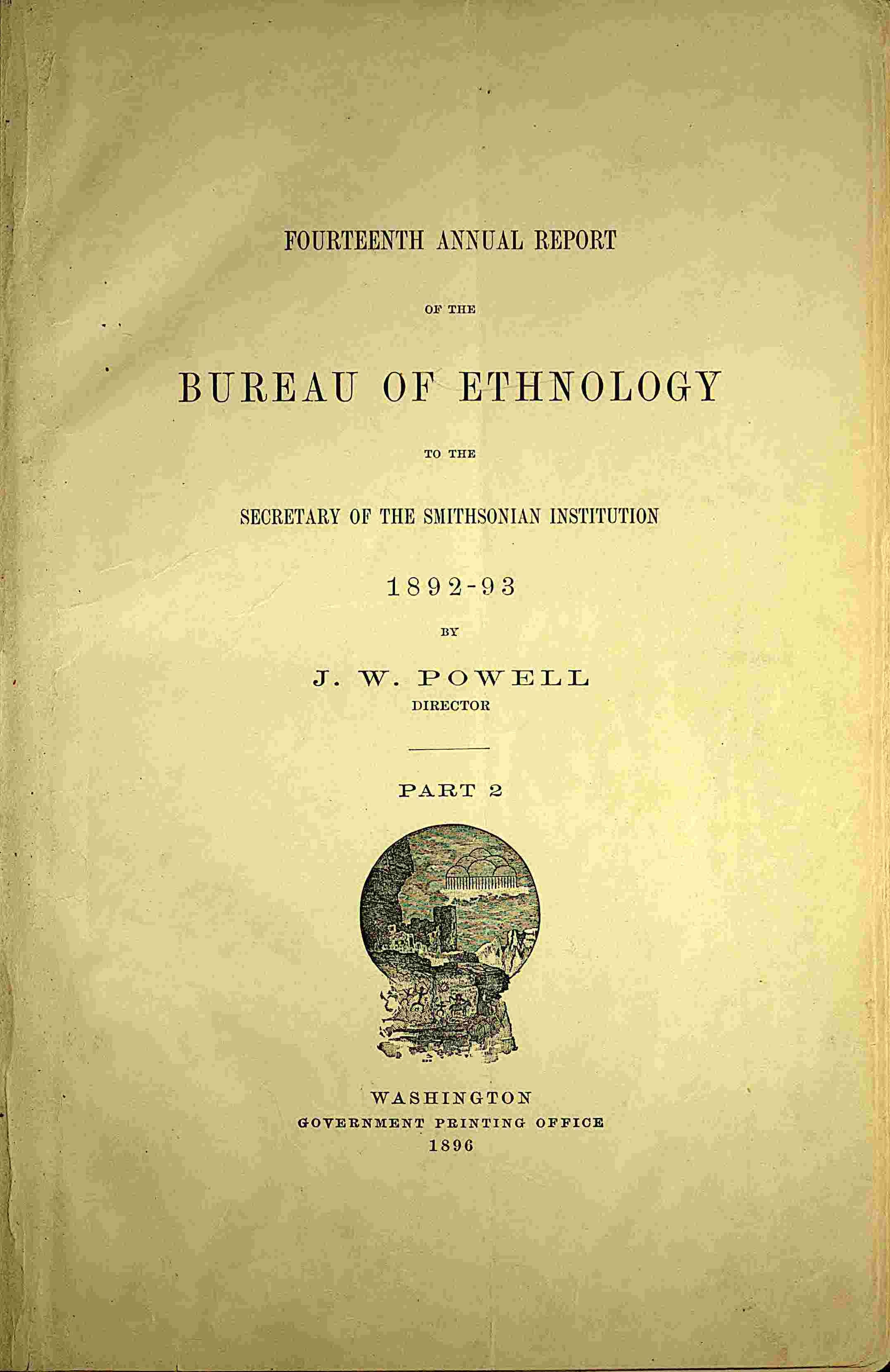
The Ghost-Dance Religion and the Sioux Outbreak of 1890: Fourteenth Annual Report of the Bureau of Ethnology, Part 2.
1896
In the winter of 1890, the U.S. Army slaughtered over 150 Lakota men, women, and children at Wounded Knee Creek. James Mooney arrived in the aftermath, determined to understand the religious uprising that had terrified settlers and soldiers alike. This book is hisfield account of the Ghost Dance: a prophetic movement born among the Paiute visionary Wovoka, promising the return of the dead, the restoration of stolen lands, and the removal of white settlers from the earth. Mooney visited Wovoka in Nevada, traced the dance's spread across seven tribes, and recorded the haunting lyrics of Ghost Dance songs still sung today. He contextualizes the movement within a longer history of Native American millenarian religion, arguing that the Ghost Dance was not madness or savagery but a profound act of spiritual resistance against annihilation. This 1896 work remains essential reading: a primary document from the last major Indian religious revival, preserved before the culture that created it was further dismantled.
Editions
Link to this book
Add a free, dofollow link to Lex on your blog, forum, syllabus, or reading list.

<a href="https://lex-books.com/book/the-ghost-dance-religion-and-the-sioux-outbreak-of-1890-fourteenth-annual-report-63eb0582-79f7-4c1e-bc49-26f899c4196e"><img src="https://lex-books.com/badges/read-on-lex.svg" alt="Read The Ghost-Dance Religion and the Sioux Outbreak of 1890: Fourteenth Annual Report of the Bureau of Ethnology, Part 2. by James Mooney free on Lex" width="160" height="40"></a>[](https://lex-books.com/book/the-ghost-dance-religion-and-the-sioux-outbreak-of-1890-fourteenth-annual-report-63eb0582-79f7-4c1e-bc49-26f899c4196e)[url=https://lex-books.com/book/the-ghost-dance-religion-and-the-sioux-outbreak-of-1890-fourteenth-annual-report-63eb0582-79f7-4c1e-bc49-26f899c4196e][img]https://lex-books.com/badges/read-on-lex.svg[/img][/url]Read The Ghost-Dance Religion and the Sioux Outbreak of 1890: Fourteenth Annual Report of the Bureau of Ethnology, Part 2. by James Mooney free on Lex: https://lex-books.com/book/the-ghost-dance-religion-and-the-sioux-outbreak-of-1890-fourteenth-annual-report-63eb0582-79f7-4c1e-bc49-26f899c4196eCite this book
Reading this edition for a paper or guide? Copy a citation.
Mooney, James. The Ghost-Dance Religion and the Sioux Outbreak of 1890: Fourteenth Annual Report of the Bureau of Ethnology, Part 2.. Lex, lex-books.com/book/the-ghost-dance-religion-and-the-sioux-outbreak-of-1890-fourteenth-annual-report-63eb0582-79f7-4c1e-bc49-26f899c4196e.Mooney, J. (1896). The Ghost-Dance Religion and the Sioux Outbreak of 1890: Fourteenth Annual Report of the Bureau of Ethnology, Part 2.. Lex. https://lex-books.com/book/the-ghost-dance-religion-and-the-sioux-outbreak-of-1890-fourteenth-annual-report-63eb0582-79f7-4c1e-bc49-26f899c4196eMooney, James. The Ghost-Dance Religion and the Sioux Outbreak of 1890: Fourteenth Annual Report of the Bureau of Ethnology, Part 2.. Lex. https://lex-books.com/book/the-ghost-dance-religion-and-the-sioux-outbreak-of-1890-fourteenth-annual-report-63eb0582-79f7-4c1e-bc49-26f899c4196e.