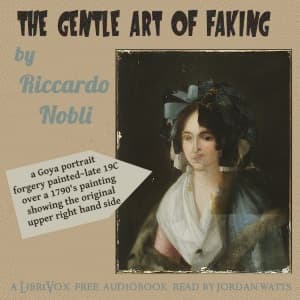
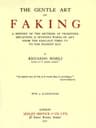
The Gentle Art of Faking: A History of the Methods of Producing Imitations & Spurious Works of Art from the Earliest Times Up to the Present Day
1922
The Gentle Art of Faking: A History of the Methods of Producing Imitations & Spurious Works of Art from the Earliest Times Up to the Present Day
1922
The art world would have you believe it runs on beauty and taste. This book pulls back the curtain to reveal something far more interesting: a centuries-old shadow economy of illusion, ambition, and desire. Riccardo Nobili, writing in 1922, introduces us to a cast of characters who blur the line between artist and criminal, between clever imitation and outright fraud. We meet the faker proper, distinguished from the common forger as a kind of semi-artistic rogue whose vocation is as old as collecting itself. We follow the tempter who turns talented imitators into deceivers, and the middleman who spins plausible tales for unwary collectors. But Nobili is no moralist. He treats his subjects with something approaching affection, tracing how "collectomania" drives entire economies of fake and spurious works. From ancient Greece and Rome through the Renaissance and up to the early twentieth century, he maps the methods, motivations, and justifications that have allowed fakery to thrive alongside genuine creativity. For anyone who has ever wondered what really happens when money, ego, and aesthetics collide, this remains an indispensable and strangely sympathetic guide to the dark art of making things seem other than what they are.
Editions
Link to this book
Add a free, dofollow link to Lex on your blog, forum, syllabus, or reading list.

<a href="https://lex-books.com/book/the-gentle-art-of-faking-a-history-of-the-methods-of-producing-imitations-spurio-50b46721-8ed2-42a9-94c4-2b87b478cdea"><img src="https://lex-books.com/badges/read-on-lex.svg" alt="Read The Gentle Art of Faking: A History of the Methods of Producing Imitations & Spurious Works of Art from the Earliest Times Up to the Present Day by Riccardo Nobili free on Lex" width="160" height="40"></a>[](https://lex-books.com/book/the-gentle-art-of-faking-a-history-of-the-methods-of-producing-imitations-spurio-50b46721-8ed2-42a9-94c4-2b87b478cdea)[url=https://lex-books.com/book/the-gentle-art-of-faking-a-history-of-the-methods-of-producing-imitations-spurio-50b46721-8ed2-42a9-94c4-2b87b478cdea][img]https://lex-books.com/badges/read-on-lex.svg[/img][/url]Read The Gentle Art of Faking: A History of the Methods of Producing Imitations & Spurious Works of Art from the Earliest Times Up to the Present Day by Riccardo Nobili free on Lex: https://lex-books.com/book/the-gentle-art-of-faking-a-history-of-the-methods-of-producing-imitations-spurio-50b46721-8ed2-42a9-94c4-2b87b478cdeaCite this book
Reading this edition for a paper or guide? Copy a citation.
Nobili, Riccardo. The Gentle Art of Faking: A History of the Methods of Producing Imitations & Spurious Works of Art from the Earliest Times Up to the Present Day. Lex, lex-books.com/book/the-gentle-art-of-faking-a-history-of-the-methods-of-producing-imitations-spurio-50b46721-8ed2-42a9-94c4-2b87b478cdea.Nobili, R. (1922). The Gentle Art of Faking: A History of the Methods of Producing Imitations & Spurious Works of Art from the Earliest Times Up to the Present Day. Lex. https://lex-books.com/book/the-gentle-art-of-faking-a-history-of-the-methods-of-producing-imitations-spurio-50b46721-8ed2-42a9-94c4-2b87b478cdeaNobili, Riccardo. The Gentle Art of Faking: A History of the Methods of Producing Imitations & Spurious Works of Art from the Earliest Times Up to the Present Day. Lex. https://lex-books.com/book/the-gentle-art-of-faking-a-history-of-the-methods-of-producing-imitations-spurio-50b46721-8ed2-42a9-94c4-2b87b478cdea.