Gentle Art of Faking
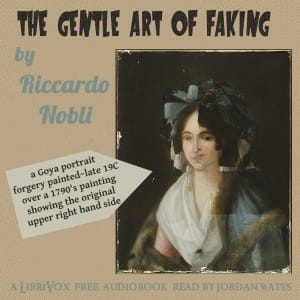
The Gentle Art of Faking (1931) is a pioneering examination of art forgery as a living practice rather than mere criminality. Riccardo Nobili treats his subjects with something approaching respect, dissecting the faker's craft with the precision of a connoisseur rather than the outrage of a moralist. He distinguishes carefully between the faker himself, the imitator who may lack fraudulent intent, and the middleman who lures collectors with plausible lies. The book traces famous forgeries through history, from ancient Rome to the early twentieth century, revealing how each era's aesthetic demands and market pressures shaped the deceptions it produced. What emerges is not just a catalog of frauds but an anatomy of desire: the collector's longing to believe, the dealer's willingness to enable, and the faker's gleeful skill at filling the gap between what the art world wants and what actually exists. The book endures because the dynamics it uncovers have not changed. The art market still runs on trust, reputation, and the delicious possibility of discovery.
Editions

Link to this book
Add a free, dofollow link to Lex on your blog, forum, syllabus, or reading list.

<a href="https://lex-books.com/book/gentle-art-of-faking-0d26022d-4f9e-4ee6-af4d-70ac5b63d8e0"><img src="https://lex-books.com/badges/read-on-lex.svg" alt="Read Gentle Art of Faking by Riccardo Nobili free on Lex" width="160" height="40"></a>[](https://lex-books.com/book/gentle-art-of-faking-0d26022d-4f9e-4ee6-af4d-70ac5b63d8e0)[url=https://lex-books.com/book/gentle-art-of-faking-0d26022d-4f9e-4ee6-af4d-70ac5b63d8e0][img]https://lex-books.com/badges/read-on-lex.svg[/img][/url]Read Gentle Art of Faking by Riccardo Nobili free on Lex: https://lex-books.com/book/gentle-art-of-faking-0d26022d-4f9e-4ee6-af4d-70ac5b63d8e0Cite this book
Reading this edition for a paper or guide? Copy a citation.
Nobili, Riccardo. Gentle Art of Faking. Lex, lex-books.com/book/gentle-art-of-faking-0d26022d-4f9e-4ee6-af4d-70ac5b63d8e0.Nobili, R. (n.d.). Gentle Art of Faking. Lex. https://lex-books.com/book/gentle-art-of-faking-0d26022d-4f9e-4ee6-af4d-70ac5b63d8e0Nobili, Riccardo. Gentle Art of Faking. Lex. https://lex-books.com/book/gentle-art-of-faking-0d26022d-4f9e-4ee6-af4d-70ac5b63d8e0.