The Future of English Poetry
Edmund Gosse, writing at the twilight of the Victorian era, attempted something audacious: to prophesy where English poetry must go. This isn't a dry academic treatise but a passionate argument about an art form in crisis. Gosse contends that poetry faces a peculiar problem, language has been so thoroughly worked by centuries of predecessors that true originality seems almost impossible. Yet he finds hope in this very constraint. He predicts poets will turn inward, toward personal introspection and emotional complexity, embracing symbolism even at the cost of accessibility. This was radical thinking for its time: advocating for difficult, layered verse that refuses to apologize for its difficulty. The essay captures a moment when poetry stood at a crossroads, uncertain whether to retreat into comfortable form or surge toward modernism. What makes it endure is not whether Gosse proved correct, he got some things right, many wrong, but his fundamental assertion: that poetry's survival depends on its willingness to evolve while remaining true to its essential strangeness and power. For readers interested in literary criticism, the history of ideas, or the ongoing conversation about what art should be, this remains a fascinating window into early 20th-century literary anxiety and ambition.
Editions
Link to this book
Add a free, dofollow link to Lex on your blog, forum, syllabus, or reading list.

<a href="https://lex-books.com/book/the-future-of-english-poetry-222550da-2998-471a-950d-d15dbbad2648"><img src="https://lex-books.com/badges/read-on-lex.svg" alt="Read The Future of English Poetry by Edmund Gosse free on Lex" width="160" height="40"></a>[](https://lex-books.com/book/the-future-of-english-poetry-222550da-2998-471a-950d-d15dbbad2648)[url=https://lex-books.com/book/the-future-of-english-poetry-222550da-2998-471a-950d-d15dbbad2648][img]https://lex-books.com/badges/read-on-lex.svg[/img][/url]Read The Future of English Poetry by Edmund Gosse free on Lex: https://lex-books.com/book/the-future-of-english-poetry-222550da-2998-471a-950d-d15dbbad2648Cite this book
Reading this edition for a paper or guide? Copy a citation.
Gosse, Edmund. The Future of English Poetry. Lex, lex-books.com/book/the-future-of-english-poetry-222550da-2998-471a-950d-d15dbbad2648.Gosse, E. (n.d.). The Future of English Poetry. Lex. https://lex-books.com/book/the-future-of-english-poetry-222550da-2998-471a-950d-d15dbbad2648Gosse, Edmund. The Future of English Poetry. Lex. https://lex-books.com/book/the-future-of-english-poetry-222550da-2998-471a-950d-d15dbbad2648.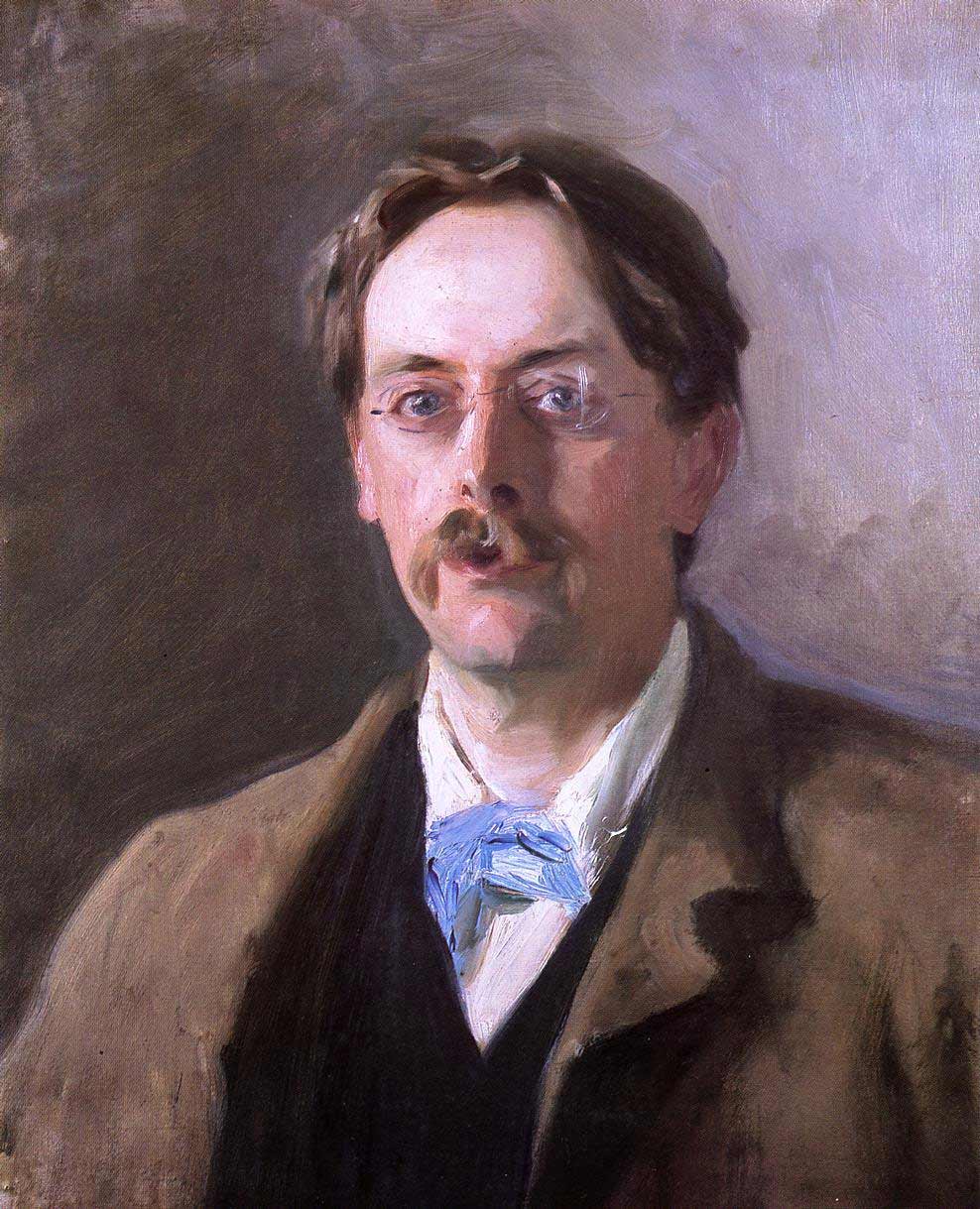



![Birds and Nature, Vol. 12 No. 1 [June 1902]illustrated by Color Photography](/_next/image?url=https%3A%2F%2Fd3b2n8gj62qnwr.cloudfront.net%2FCOVERS%2Fgutenberg_covers75k%2Febook-47881.png&w=3840&q=75)