Henrik Ibsen
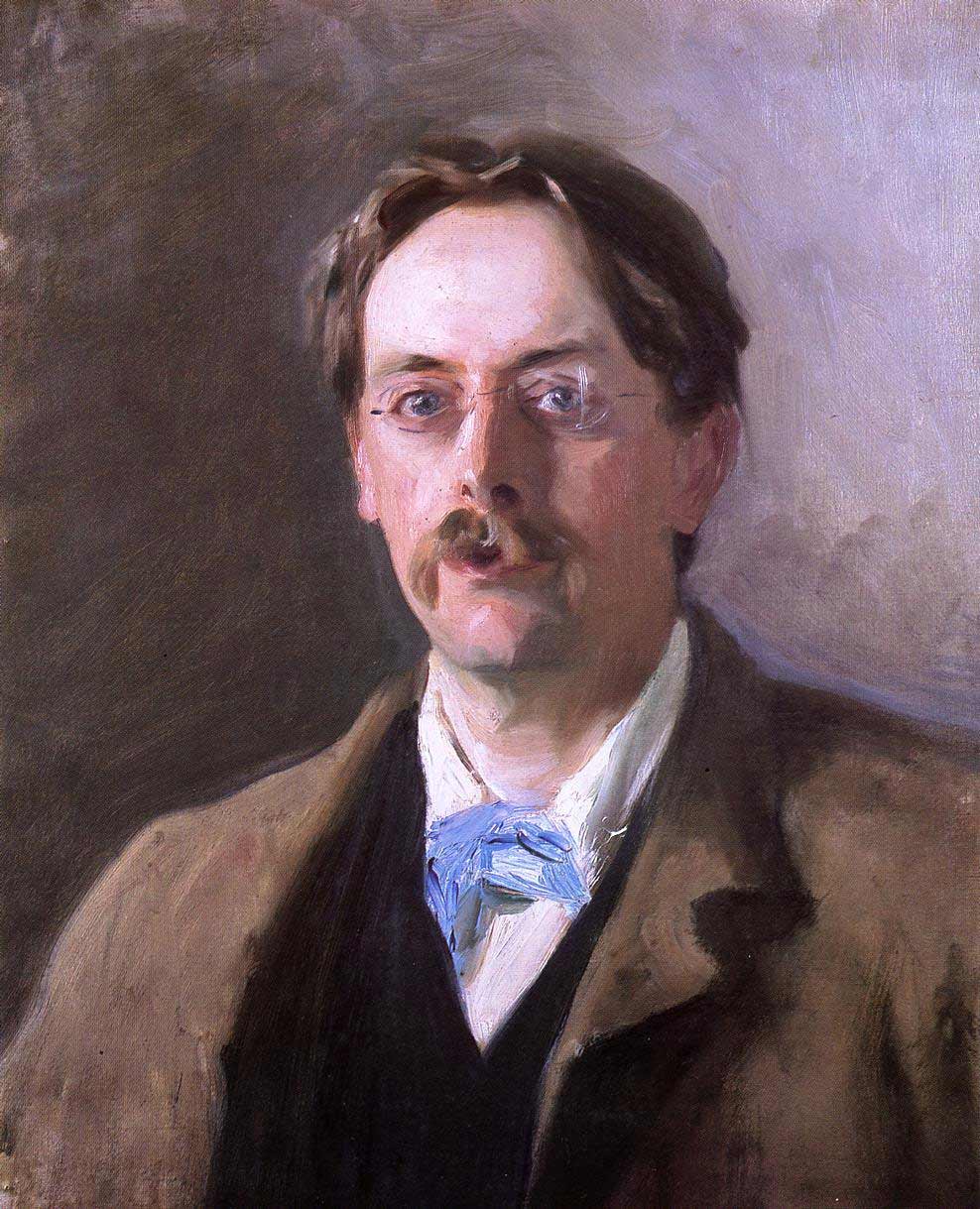
Edmund Gosse, the eminent Victorian critic and man of letters, turns his keen analytical eye on Henrik Ibsen, the Norwegian playwright who shattered the comfortable illusions of nineteenth-century theatre. Written during Ibsen's lifetime, this literary biography traces the arc of a writer who abandoned poetic fantasy for the brutal honesty of prose drama, creating works that scandalized audiences across Europe. Gosse examines Ibsen's journey from the provincial streets of Skien to international prominence, illuminating how the playwright's relationships, his quarter-century exile in Italy and Germany, and his fierce independence shaped a body of work that redefined what the stage could accomplish. The study offers particular insight into masterpieces like A Doll's House, Ghosts, and Hedda Gabler plays that peeled back the polished veneer of bourgeois respectability to reveal the rot beneath. Gosse, writing as both an admirer and a fellow craftsman, captures Ibsen's revolutionary method: the unshowing of offstage drama, the dialogue that speaks beneath what characters actually say, and the insistence that theatre must hold a mirror to uncomfortable truths. This is a portrait of an artist as provocateur, a man who forced his culture to confront what it preferred to leave in shadow.
Editions
X-Ray
“It's a liberation to know that an act of spontaneous courage is yet possible in this world. An act that has something of unconditional beauty.””
— Edmund Gosse
“It’s a release to know that in spite of everything a premeditated act of courage is still possible.””
— Edmund Gosse
“Good god, people don't do such things!””
— Edmund Gosse
“Oh, what curse is it that makes everything I touch turn ludicrous and mean?””
— Edmund Gosse
“Do think it quite incomprehensible that a young girl”
— Edmund Gosse
“I can see him already”
— Edmund Gosse
“I am burning”
— Edmund Gosse
“Eljert Lovborg...listen to me...couldn't you let it happen beautifully?””
— Edmund Gosse
Link to this book
Add a free, dofollow link to Lex on your blog, forum, syllabus, or reading list.

<a href="https://lex-books.com/book/henrik-ibsen-eac6807e-5e88-4304-8915-fc47956e6937"><img src="https://lex-books.com/badges/read-on-lex.svg" alt="Read Henrik Ibsen by Edmund Gosse free on Lex" width="160" height="40"></a>[](https://lex-books.com/book/henrik-ibsen-eac6807e-5e88-4304-8915-fc47956e6937)[url=https://lex-books.com/book/henrik-ibsen-eac6807e-5e88-4304-8915-fc47956e6937][img]https://lex-books.com/badges/read-on-lex.svg[/img][/url]Read Henrik Ibsen by Edmund Gosse free on Lex: https://lex-books.com/book/henrik-ibsen-eac6807e-5e88-4304-8915-fc47956e6937Cite this book
Reading this edition for a paper or guide? Copy a citation.
Gosse, Edmund. Henrik Ibsen. Lex, lex-books.com/book/henrik-ibsen-eac6807e-5e88-4304-8915-fc47956e6937.Gosse, E. (n.d.). Henrik Ibsen. Lex. https://lex-books.com/book/henrik-ibsen-eac6807e-5e88-4304-8915-fc47956e6937Gosse, Edmund. Henrik Ibsen. Lex. https://lex-books.com/book/henrik-ibsen-eac6807e-5e88-4304-8915-fc47956e6937.