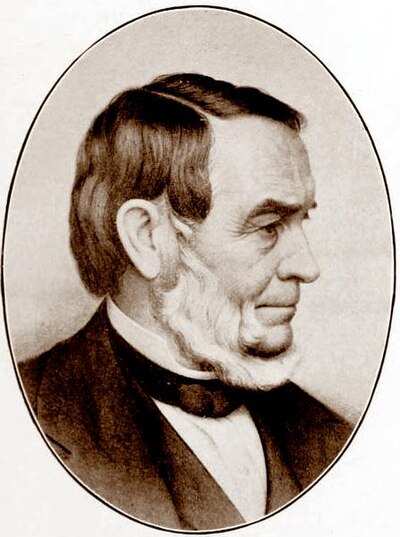
The Fugitive Slave Law and Its Victims (1856)
The Fugitive Slave Law and Its Victims (1856)
May, Samuel. The Fugitive Slave Law and Its Victims . Anti-Slavery Society [New York], 1856. Text Analysis Historical Context This book was published in 1856, in the tense decade leading up to the U.S. Civil War. The Fugitive Slave Act of 1850, part of the Compromise of 1850, required that enslaved people who escaped to free states be returned to their enslavers—even if they had lived freely for years. It also penalized individuals who helped fugitives. The law enraged abolitionists, threatened free Black communities, and increased sectional tensions. The publication reflects how the Northern abolitionist movement used documentation and testimony to expose the cruelty and injustice of the law. Core Issues Presented The text challenges the legal and moral foundations of the Fugitive Slave Law. It exposes the human toll of a law that prioritized property rights over human rights. Key issues include states’ rights versus federal authority, due process, racial injustice, and civil disobedience. The book defends the humanity of fugitive slaves and condemns the government’s complicity in enforcing slavery. Contemporary Viewpoints (at Time of Publication) Supporters of the Fugitive Slave Law, mainly Southern slaveholders and some Northern moderates, argued that it protected constitutional property rights and upheld national unity. Opponents, such as abolitionists, free-soilers, and some clergy, believed it was immoral and unconstitutional. The law also faced passive resistance from local officials in the North and active resistance from Underground Railroad participants. Modern Historiographical Interpretations Modern historians view this text as part of a broader abolitionist campaign that helped sway public opinion in the North. Some scholars argue it illustrates how literature, legal documentation, and religious appeals were used strategically. Others examine it as a reflection of sectional breakdown and the growing influence of moral arguments in American political discourse. It’s also seen as an early example of using victims’ stories to confront systemic injustice. Relevance to Today’s Issues Themes of state violence, racial profiling, and systemic racism echo in current debates over policing, immigration enforcement, and incarceration. Like the Fugitive Slave Law, some modern laws are criticized for criminalizing marginalized people. Questions about moral obligation versus legal compliance remain highly relevant, especially in discussions of sanctuary cities, refugee policy, and civil rights. Why This Text Matters This source documents real people harmed by a federal law and records names, dates, and circumstances—giving a human face to legal injustice. Unlike secondary sources, it offers firsthand evidence of how government policies destroyed lives. It provides moral clarity and emotional depth, which statistics and generalizations often cannot convey. Modern Reader Takeaway Students should ask: What is the moral cost of obeying an unjust law? When should citizens resist government authority? How does legal language obscure injustice? This text compels readers to reflect on civic responsibility and the real-world impact of legislation on human lives. AP/IB Essay and Discussion Prompts APUSH Short Essay : Explain how the Fugitive Slave Act contributed to sectional tensions between North and South. Use examples from The Fugitive Slave Law and Its Victims . DBQ Prompt : Evaluate the moral and political responses to the Fugitive Slave Law of 1850. Use at least one primary source, including this one. IB History Essay : Analyze how the enforcement of federal law, such as the Fugitive Slave Act, shaped the political landscape in antebellum America. U.S. Government Discussion : To what extent is civil disobedience a legitimate response to government law? Connect to both historical and modern examples. Thematic Essay : Compare how The Fugitive Slave Law and Its Victims portrays injustice with how another primary source (e.g., Narrative of Frederick Douglass ) does. Rhetorical and Literary Style May’s tone is urgent, compassionate, and morally outraged. He uses repetition, moral appeals, and personal stories to invoke sympathy and moral clarity. The use of names, dates, and narrative summaries builds credibility, while stark diction (“seized,” “dragged,” “torn from family”) evokes emotional intensity. Ethical and Philosophical Themes The book contends that no law is just if it denies human dignity. It contrasts man-made law with natural law and divine justice, suggesting that moral duty outweighs legal obligation. The book affirms universal human rights and critiques laws built on racial and economic oppression. Voices Included and Excluded The book amplifies the voices of fugitive slaves and abolitionists but often through a white, educated, Northern lens. The enslaved persons’ actual voices are filtered through May’s descriptions. Missing are the direct testimonies of those enslaved