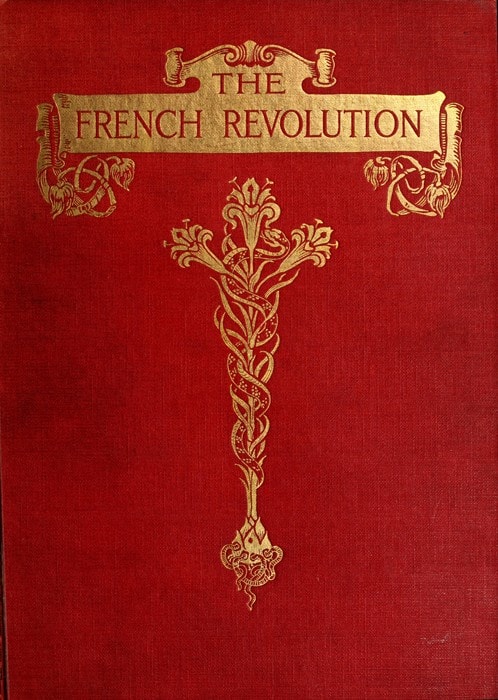
The French Revolution: A History
1837
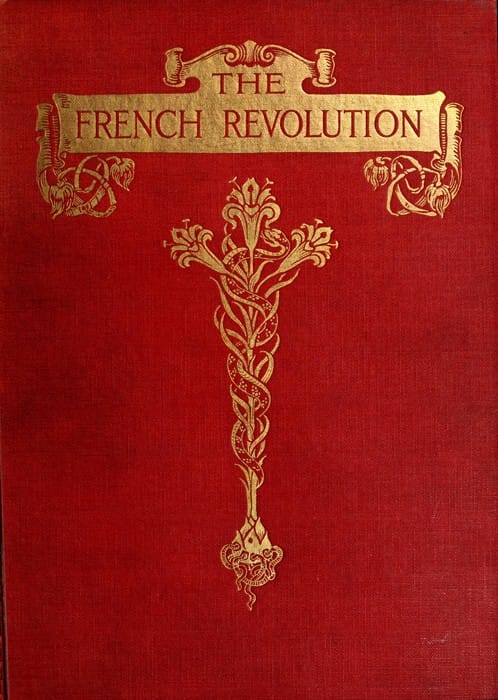
The French Revolution: A History
1837
Thomas Carlyle's monumental history is not a textbook but a fever dream of the revolution itself. Written in 1837, it captures the French Revolution as lived experience: chaotic, violent, and utterly human. Carlyle begins with the dying Louis XV, a monarch whose subjects watch with indifference as their king succumbs to smallpox, symbolizing a kingdom already dead in spirit. From the spark of 1789 through the fall of the monarchy, the Reign of Terror, and the Thermidorian Reaction, Carlyle renders historical actors as living, breathing figures driven by passion, ambition, and fear. His prose is volcanic, teeming with detail and psychological depth, treating history as drama rather than chronicle. This is history as literature, and it remains essential reading for anyone who wants to understand how revolutions begin, how they consume themselves, and why they continue to haunt the modern imagination.
Editions
X-Ray
“Hunger whets everything, especially Suspicion and Indignation.””
— Thomas Carlyle
“But figure his thought, when Death is now clutching at his own heart-strings, unlooked for, inexorable! Yes, poor Louis, Death has found thee. No palace walls or life-guards, gorgeous tapestries or gilt buckram of stiffest ceremonial could keep him out; but he is here, here at thy very life-breath, and will extinguish it. Thou, whose whole existence hitherto was a chimera and scenic show, at length becomest a reality: sumptuous Versailles bursts asunder, like a dream, into void Immensity; Time is done, and all the scaffolding of Time falls wrecked with hideous clangour round thy soul: the pale Kingdoms yawn open; there must thou enter, naked, all unking'd, and await what is appointed thee! Unhappy man, there as thou turnest, in dull agony, on thy bed of weariness, what a thought is thine! Purgatory and Hell-fire, now all-too possible, in the prospect; in the retrospect,--alas, what thing didst thou do that were not better undone; what mortal didst thou generously help; what sorrow hadst thou mercy on? Do the 'five hundred thousand' ghosts, who sank shamefully on so many battle-fields from Rossbach to Quebec, that thy Harlot might take revenge for an epigram,--crowd round thee in this hour? Thy foul Harem; the curses of mothers, the tears and infamy of daughters? Miserable man! thou 'hast done evil as thou couldst:' thy whole existence seems one hideous abortion and mistake of Nature; the use and meaning of thee not yet known. Wert thou a fabulous Griffin, devouring the works of men; daily dragging virgins to thy cave;--clad also in scales that no spear would pierce: no spear but Death's? A Griffin not fabulous but real! Frightful, O Louis, seem these moments for thee.--We will pry no further into the horrors of a sinner's death-bed.””
— Thomas Carlyle
“The unquietest humour possesses all men; ferments, seeks issue, in pamphleteering, caricaturing, projecting, declaiming; vain jangling of thought, word and deed. It is Spiritual Bankruptcy, long tolerated; verging now towards Economical Bankruptcy, and become intolerable. For from the lowest dumb rank, the inevitable misery, as was predicted, has spread upwards. In every man is some obscure feeling that his position, oppressive or else oppressed, is a false one: all men, in one or the other acrid dialect, as assaulters or as defenders, must give vent to the unrest that is in them. Of such stuff national well-being, and the glory of rulers, is not made.””
— Thomas Carlyle
“How such Ideals do realize themselves; and grow, wondrously, from amid the incongruous ever-fluctuating chaos of the Actual: this is what World-History, if it teach any thing, has to teach us, How they grow; and, after long stormy growth, bloom out mature, supreme; then quickly (for the blossom is brief) fall into decay; sorrowfully dwindle; and crumble down, or rush down, noisily or noiselessly disappearing. The blossom is so brief; as of some centennial Cactus-flower, which after a century of waiting shines out for hours!””
— Thomas Carlyle
“Thou, whose whole existence hitherto was a chimera and scenic show, at length becomest a reality: sumptuous Versailles bursts asunder, like a Dream, into void Immensity; Time is done, and all the Scaffolding of Time falls wrecked with hideous clangour round thy soul: the pale Kingdoms yawn open; there must thou enter, naked, all unking’d,* and await what is appointed thee! Unhappy man, there as thou turnest, in dull agony, on thy bed of weariness, what a thought is thine! Purgatory and Hell-fire, now all too possible, in the prospect: in the retrospect,”
— Thomas Carlyle
“Counsel dwells not under the plumed hat.””
— Thomas Carlyle
“To a shower of gold most things are penetrable.””
— Thomas Carlyle
“This is the end of Prime Minister, Cardinal Archbishop Lomenie de Brienne. Flimsier mortal was seldom fated to do as weighty a mischief; to have a life as despicable-envied, an exit as frightful. Fired, as the phrase is, with ambition: blown, like a kindled rag, the sport of winds, not this way, not that way, but of all ways, straight towards such a powder-mine,”
— Thomas Carlyle
“Close-viewed, their industry and function is that of dressing gracefully and eating sumptuously. As for their debauchery and depravity, it is perhaps unexampled since the era of Tiberius and Commodus. (…) Such are the shepherds of the people: and now how fares it with the flock? With the flock, as is inevitable, it fares ill, and ever worse. They are not tended, they are only regularly shorn. They are sent for, to do statute-labour, to pay statute-taxes; to fatten battle-fields (named 'Bed of honour') with their bodies, in quarrels which are not theirs; their hand and toil is in every possession of man; but for themselves they have little or no possession. Untaught, uncomforted, unfed; to pine dully in thick obscuration, in squalid destitution and obstruction: this is the lot of the millions.””
— Thomas Carlyle
Link to this book
Add a free, dofollow link to Lex on your blog, forum, syllabus, or reading list.

<a href="https://lex-books.com/book/the-french-revolution-a-history-ad863c24-738b-405a-bfa3-f811dbd4de71"><img src="https://lex-books.com/badges/read-on-lex.svg" alt="Read The French Revolution: A History by Thomas Carlyle free on Lex" width="160" height="40"></a>[](https://lex-books.com/book/the-french-revolution-a-history-ad863c24-738b-405a-bfa3-f811dbd4de71)[url=https://lex-books.com/book/the-french-revolution-a-history-ad863c24-738b-405a-bfa3-f811dbd4de71][img]https://lex-books.com/badges/read-on-lex.svg[/img][/url]Read The French Revolution: A History by Thomas Carlyle free on Lex: https://lex-books.com/book/the-french-revolution-a-history-ad863c24-738b-405a-bfa3-f811dbd4de71Cite this book
Reading this edition for a paper or guide? Copy a citation.
Carlyle, Thomas. The French Revolution: A History. Lex, lex-books.com/book/the-french-revolution-a-history-ad863c24-738b-405a-bfa3-f811dbd4de71.Carlyle, T. (1837). The French Revolution: A History. Lex. https://lex-books.com/book/the-french-revolution-a-history-ad863c24-738b-405a-bfa3-f811dbd4de71Carlyle, Thomas. The French Revolution: A History. Lex. https://lex-books.com/book/the-french-revolution-a-history-ad863c24-738b-405a-bfa3-f811dbd4de71.