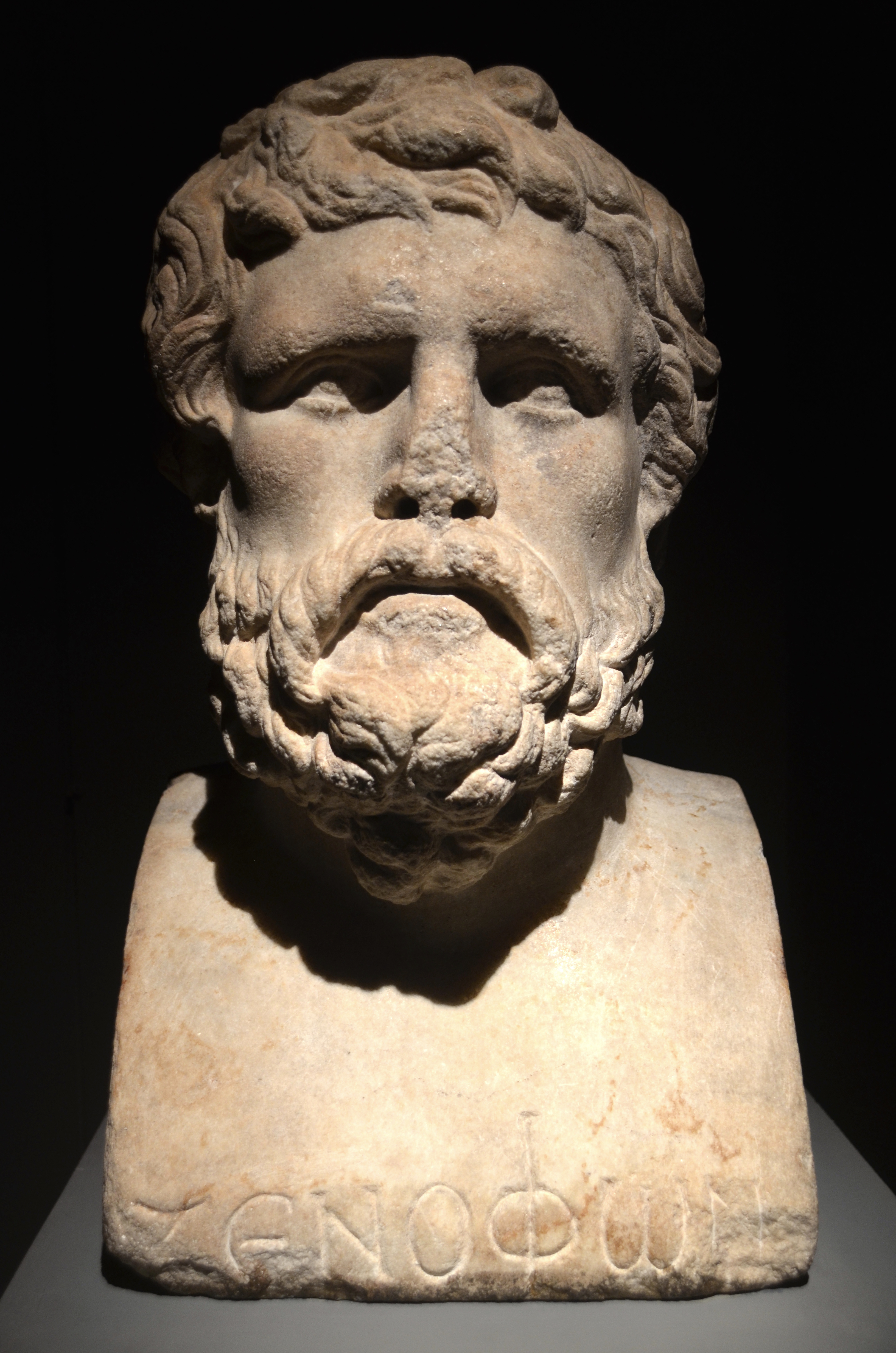
The First Four Books of Xenophon's Anabasis
The First Four Books of Xenophon's Anabasis
Translated by J. S. (John Selby) Watson
One of the oldest survival narratives in Western literature, the Anabasis is Xenophon's firsthand account of an expedition that went catastrophically wrong. Cyrus the Younger, a Persian prince, hires ten thousand Greek mercenaries to overthrow his brother Artaxerxes II and claim the throne of Persia. At the Battle of Cunaxa, Cyrus falls in battle, and the Greeks find themselves stranded two thousand miles from home, deep in enemy territory, with no food, no allies, and no way home. What follows is an epic march through mountains and deserts, across rivers and through hostile lands, as the soldiers elect new leaders and fight their way back to the sea. Xenophon, a young Athenian who came along for the adventure, emerges as a reluctant leader whose diaries would become required reading for Alexander the Great, Julius Caesar, and every military commander since. This is ancient warfare stripped of myth: cold, hunger, mutiny, and the sheer will to survive.
Editions
X-Ray
“...men unite against none so readily as against those whom theysee attempting to rule over them.””
— Xenophon
“. . . no speech of admonition can be so fine that it will all at once make those who hear it good men if they are not good already; it would surely not make archers good if they had not had previous practice in shooting; neither would it make lancers good, nor horsemen; it cannot even make men able to endure bodily labour, unless they have been trained to it before.””
— Xenophon
“And Cyrus, they say, observed: 'How much trouble you have at your dinner, grandfather, if you have to reach out your hands to all these dishes and taste all these different kinds of food!''Why so?' said Astyages. 'Really now, don't you think this dinner much finer than your Persian dinners?''No, grandfather,' Cyrus replied to this; 'but the road to satiety is much more simple and direct in our country than with you; for bread and meat take us there; but you, though you make for the same goal as we, go wandering through many a maze, up and down, and only arrive at last at the point that we long since have reached.””
— Xenophon
About The First Four Books of Xenophon's Anabasis
Chapter Summaries
- I.1
- After Darius II's death, Cyrus is accused of plotting against his brother Artaxerxes but is released through his mother's intervention. He secretly begins gathering forces, including Greek mercenaries, under various pretexts.
- I.2
- Cyrus begins his march from Sardis, gathering more troops along the way including forces under Proxenus, Menon, and others. The army moves through Lydia and Phrygia, with Cyrus maintaining the pretense of fighting Pisidians.
- I.3
- At Tarsus, the Greek soldiers realize they are being led against the king and refuse to march further. Clearchus stages a dramatic scene to maintain their loyalty, while Cyrus eventually reveals the true target and promises increased pay.
Key Themes
- Leadership and Command
- The work explores different styles of leadership through characters like the stern Clearchus, the noble Cyrus, and the pragmatic Xenophon. It examines what qualities make effective leaders in crisis situations.
- Loyalty and Betrayal
- The narrative is structured around acts of loyalty and betrayal, from Cyrus's rebellion against his brother to Tissaphernes' treacherous murder of the Greek generals. Personal bonds often conflict with political necessities.
- Greek vs. Barbarian Culture
- Xenophon contrasts Greek military discipline, honor, and democratic decision-making with Persian despotism, luxury, and duplicity. The Greeks maintain their cultural identity even in foreign lands.
Characters
- Cyrus the Younger(protagonist)
- Persian prince and satrap who leads an expedition against his brother King Artaxerxes II. He is portrayed as noble, generous, and inspiring loyalty among both Greeks and Persians. Dies in battle at Cunaxa.
- Xenophon(protagonist)
- Athenian soldier and historian who joins the expedition as a friend of Proxenus. Becomes a key leader after the generals are murdered, helping guide the Ten Thousand home.
- Clearchus(major)
- Lacedaemonian exile and experienced military commander who leads Cyrus's Greek forces. Stern disciplinarian but effective leader, ultimately betrayed and executed by Tissaphernes.
- Artaxerxes II(antagonist)
- King of Persia and elder brother of Cyrus. Defeats Cyrus at Cunaxa but struggles to eliminate the Greek mercenaries who remain a threat to his empire.
- Tissaphernes(antagonist)
- Persian satrap who initially appears friendly to the Greeks but betrays and murders their generals. Represents Persian duplicity and becomes the primary antagonist after Cyrus's death.
- Cheirisophus(major)
- Lacedaemonian general who co-leads the Greek retreat with Xenophon. Practical military commander who shares leadership responsibilities during the march to the sea.
Link to this book
Add a free, dofollow link to Lex on your blog, forum, syllabus, or reading list.

<a href="https://lex-books.com/book/the-first-four-books-of-xenophon-s-anabasis-9ff15a4a-dd3b-4c16-b2b8-e01e8b8e39af"><img src="https://lex-books.com/badges/read-on-lex.svg" alt="Read The First Four Books of Xenophon's Anabasis by Xenophon free on Lex" width="160" height="40"></a>[](https://lex-books.com/book/the-first-four-books-of-xenophon-s-anabasis-9ff15a4a-dd3b-4c16-b2b8-e01e8b8e39af)[url=https://lex-books.com/book/the-first-four-books-of-xenophon-s-anabasis-9ff15a4a-dd3b-4c16-b2b8-e01e8b8e39af][img]https://lex-books.com/badges/read-on-lex.svg[/img][/url]Read The First Four Books of Xenophon's Anabasis by Xenophon free on Lex: https://lex-books.com/book/the-first-four-books-of-xenophon-s-anabasis-9ff15a4a-dd3b-4c16-b2b8-e01e8b8e39afCite this book
Reading this edition for a paper or guide? Copy a citation.
Xenophon. The First Four Books of Xenophon's Anabasis. Lex, lex-books.com/book/the-first-four-books-of-xenophon-s-anabasis-9ff15a4a-dd3b-4c16-b2b8-e01e8b8e39af.Xenophon (n.d.). The First Four Books of Xenophon's Anabasis. Lex. https://lex-books.com/book/the-first-four-books-of-xenophon-s-anabasis-9ff15a4a-dd3b-4c16-b2b8-e01e8b8e39afXenophon. The First Four Books of Xenophon's Anabasis. Lex. https://lex-books.com/book/the-first-four-books-of-xenophon-s-anabasis-9ff15a4a-dd3b-4c16-b2b8-e01e8b8e39af.