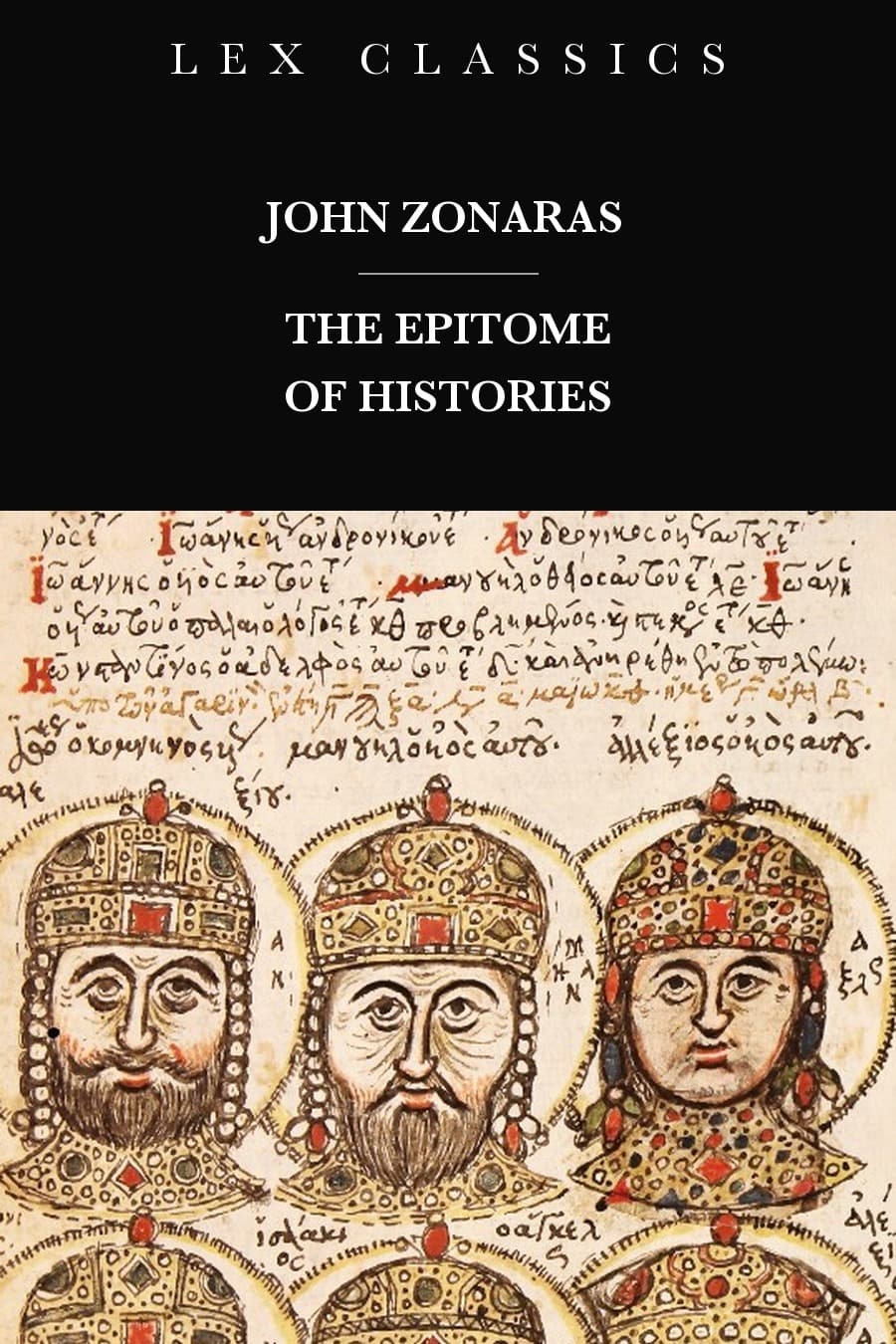
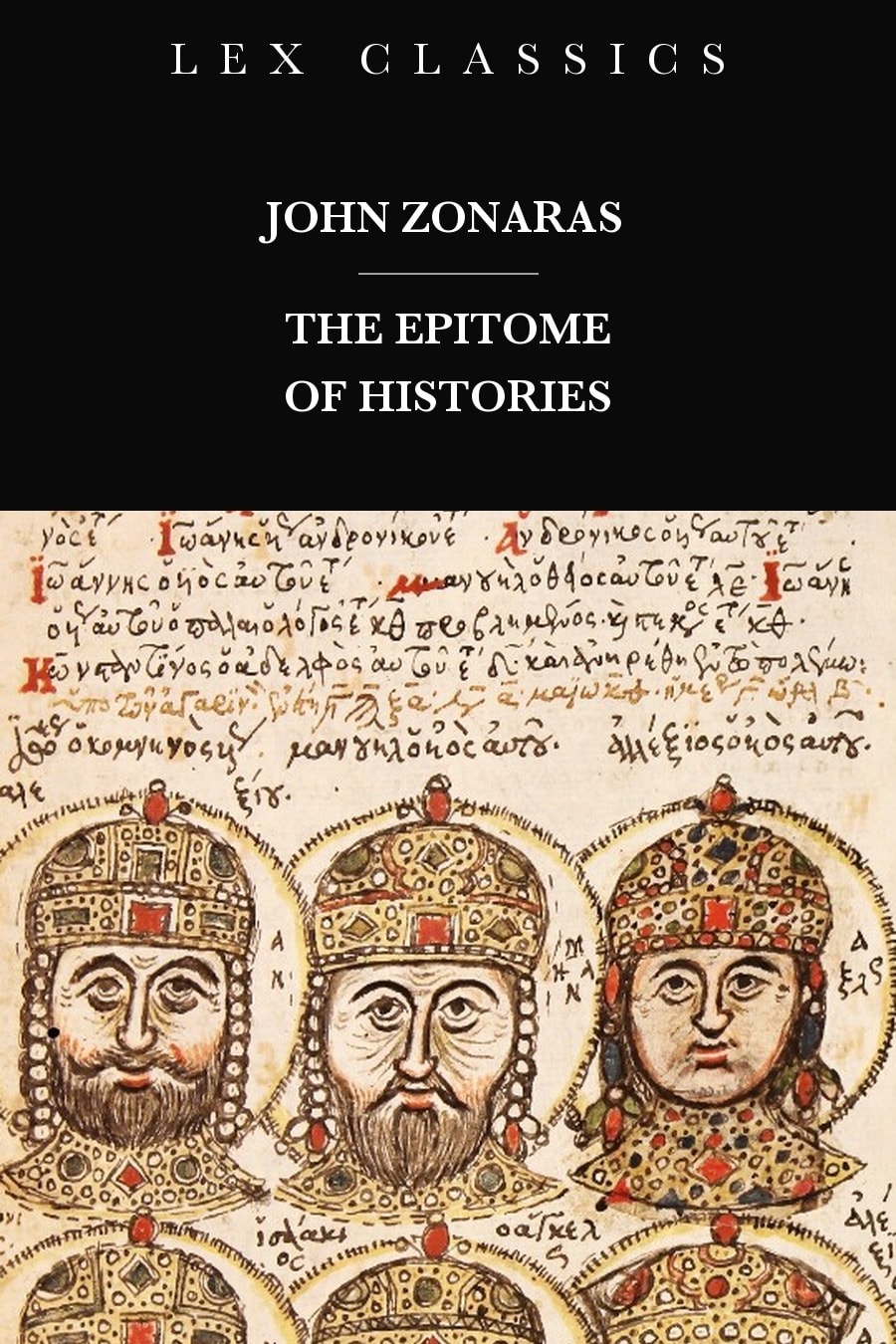
The Epitome of Histories
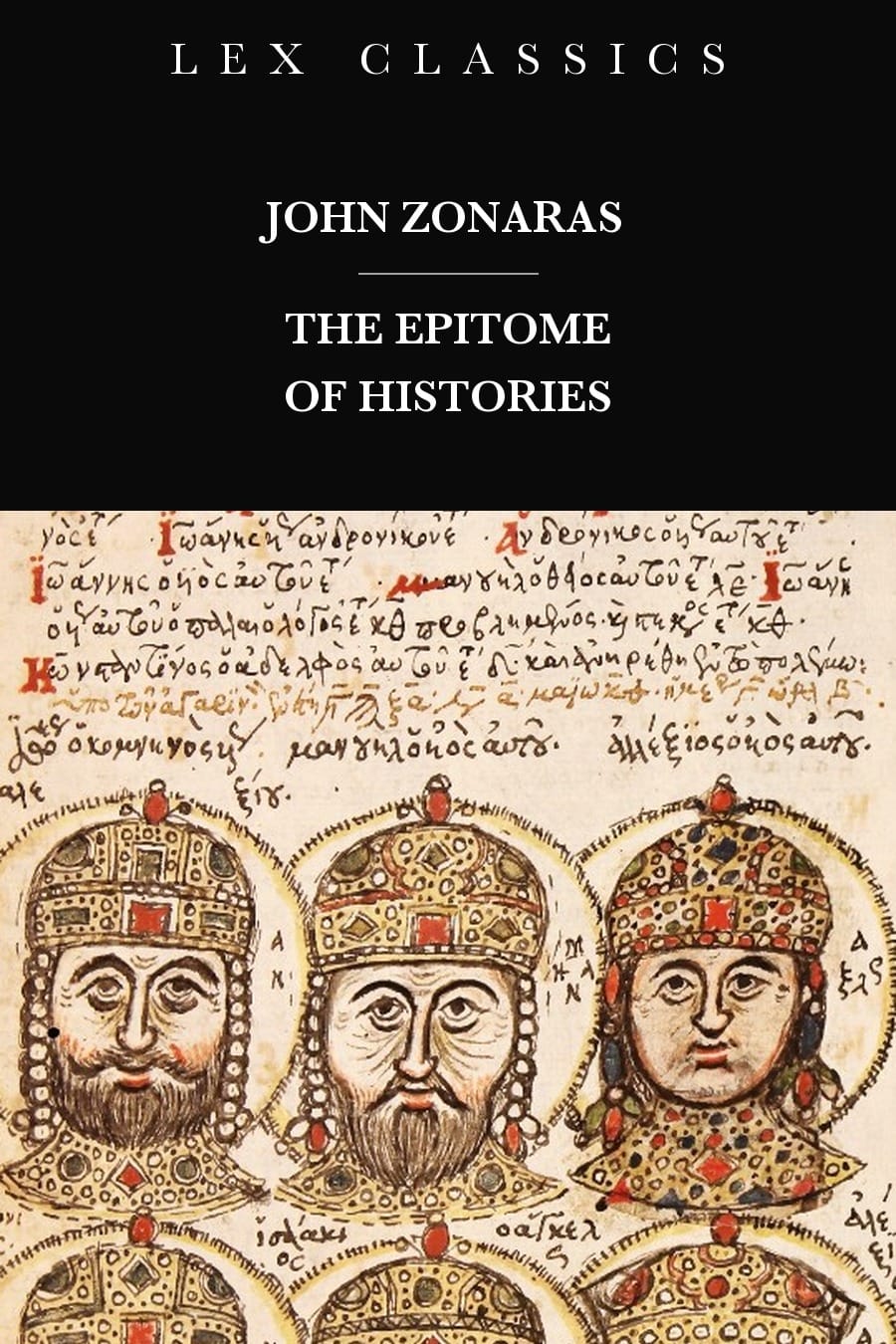
Lex translation of John Zonaras' Epitome Historiarum, composed in Greek in the twelfth century. Informed by the Dindorf critical edition (Teubner, 1868–1875) and modern scholarly commentary. This edition covers Books XII.15–35 and XIII.1–19, the sections epitomizing Cassius Dio's Roman History from Alexander Severus to the death of Theodosius the Great.
Editions
X-Ray
The author, a twelfth-century Byzantine chronicler and former imperial bodyguard who retired to a monastery to compose this universal history.
Roman Emperor whose reign marks the beginning of the detailed historical account in Book XII, known for his mother Mamaea's influence.
Mother of Alexander Severus, declared Augusta, a devout Christian who influenced her son and mitigated Christian persecution.
A Thracian soldier who usurped the throne from Alexander Severus, known for his cruelty and instigating a persecution of Christians.
About The Epitome of Histories
Chapter Summaries
- Prologue: Reflections on Solitude and Divine Providence
- Zonaras explains his motivation for writing, initially reluctant due to intellectual sluggishness and a desire for solitude after a personal loss. His friends encouraged him to use his leisure for good, criticizing existing historical works for being too detailed, too rhetorical, or too simplistic. He eventually agreed, seeing it as a spiritual benefit to occupy his mind, and outlines the vast scope of his history, from creation to his own era, covering biblical, Roman, and Byzantine history.
- Book XII.15-35: The Rise of Alexander and the Influence of Mamaea
- This section details a tumultuous period of Roman history, beginning with Alexander Severus and his Christian mother Mamaea, covering conflicts with Artaxerxes' Persia and a rapid succession of emperors who often met violent ends. It highlights increasing Christian persecution under figures like Maximinus, Decius, Valerianus, and Diocletian, culminating in the Great Persecution, while also noting early church leaders and emerging heresies.
- Book XIII.1-19: Constantine's Ascendancy and the Legacy of Helen
- This section focuses on Constantine the Great's conversion to Christianity after a divine vision, his establishment of Constantinople, and the subsequent struggles for power among his sons and other usurpers. It covers Julian the Apostate's attempt to restore paganism and his death, followed by Christian emperors Jovian, Valentinian, Valens (an Arian persecutor), Gratian, and finally Theodosius the Great, who solidified Christianity as the state religion amidst ongoing conflicts and theological debates.
Key Themes
- Divine Providence and Intervention
- Zonaras consistently attributes major historical events, particularly the rise and fall of emperors and the fate of Christians, to God's will. Emperors who persecute Christians often meet ignominious ends, while those who embrace the faith are divinely favored, highlighting a providential view of history.
- Political Instability and Imperial Corruption
- The narrative vividly portrays a period of extreme political volatility in the Roman Empire, characterized by rapid successions, numerous usurpations, and widespread corruption among rulers. Many emperors are depicted as tyrannical, greedy, or morally bankrupt, leading to constant internal strife and external threats.
- The Triumph of Christianity
- A central theme is the gradual but undeniable ascendancy of Christianity, from being a persecuted minority to becoming the dominant religion of the Roman Empire. Constantine's conversion marks a turning point, and subsequent emperors like Theodosius solidify its status, despite attempts by figures like Julian the Apostate to revive paganism.
Characters
- John Zonaras(narrator)
- The author, a twelfth-century Byzantine chronicler and former imperial bodyguard who retired to a monastery to compose this universal history.
- Alexander Severus(protagonist)
- Roman Emperor whose reign marks the beginning of the detailed historical account in Book XII, known for his mother Mamaea's influence.
- Mamaea(supporting)
- Mother of Alexander Severus, declared Augusta, a devout Christian who influenced her son and mitigated Christian persecution.
- Maximinus(antagonist)
- A Thracian soldier who usurped the throne from Alexander Severus, known for his cruelty and instigating a persecution of Christians.
- Philippus(antagonist)
- Prefect of the guard who conspired against and killed the younger Gordianus, becoming emperor, and later showed favor to Christians.
- Decius(antagonist)
- Roman general who became emperor, known for instigating a fierce persecution against Christians and dying in a swamp.
Link to this book
Add a free, dofollow link to Lex on your blog, forum, syllabus, or reading list.

<a href="https://lex-books.com/book/the-epitome-of-histories-d4e5f6a7-b8c9-0123-def0-234567890123"><img src="https://lex-books.com/badges/read-on-lex.svg" alt="Read The Epitome of Histories by John Zonaras free on Lex" width="160" height="40"></a>[](https://lex-books.com/book/the-epitome-of-histories-d4e5f6a7-b8c9-0123-def0-234567890123)[url=https://lex-books.com/book/the-epitome-of-histories-d4e5f6a7-b8c9-0123-def0-234567890123][img]https://lex-books.com/badges/read-on-lex.svg[/img][/url]Read The Epitome of Histories by John Zonaras free on Lex: https://lex-books.com/book/the-epitome-of-histories-d4e5f6a7-b8c9-0123-def0-234567890123Cite this book
Reading this edition for a paper or guide? Copy a citation.
Zonaras, John. The Epitome of Histories. Lex, lex-books.com/book/the-epitome-of-histories-d4e5f6a7-b8c9-0123-def0-234567890123.Zonaras, J. (n.d.). The Epitome of Histories. Lex. https://lex-books.com/book/the-epitome-of-histories-d4e5f6a7-b8c9-0123-def0-234567890123Zonaras, John. The Epitome of Histories. Lex. https://lex-books.com/book/the-epitome-of-histories-d4e5f6a7-b8c9-0123-def0-234567890123.