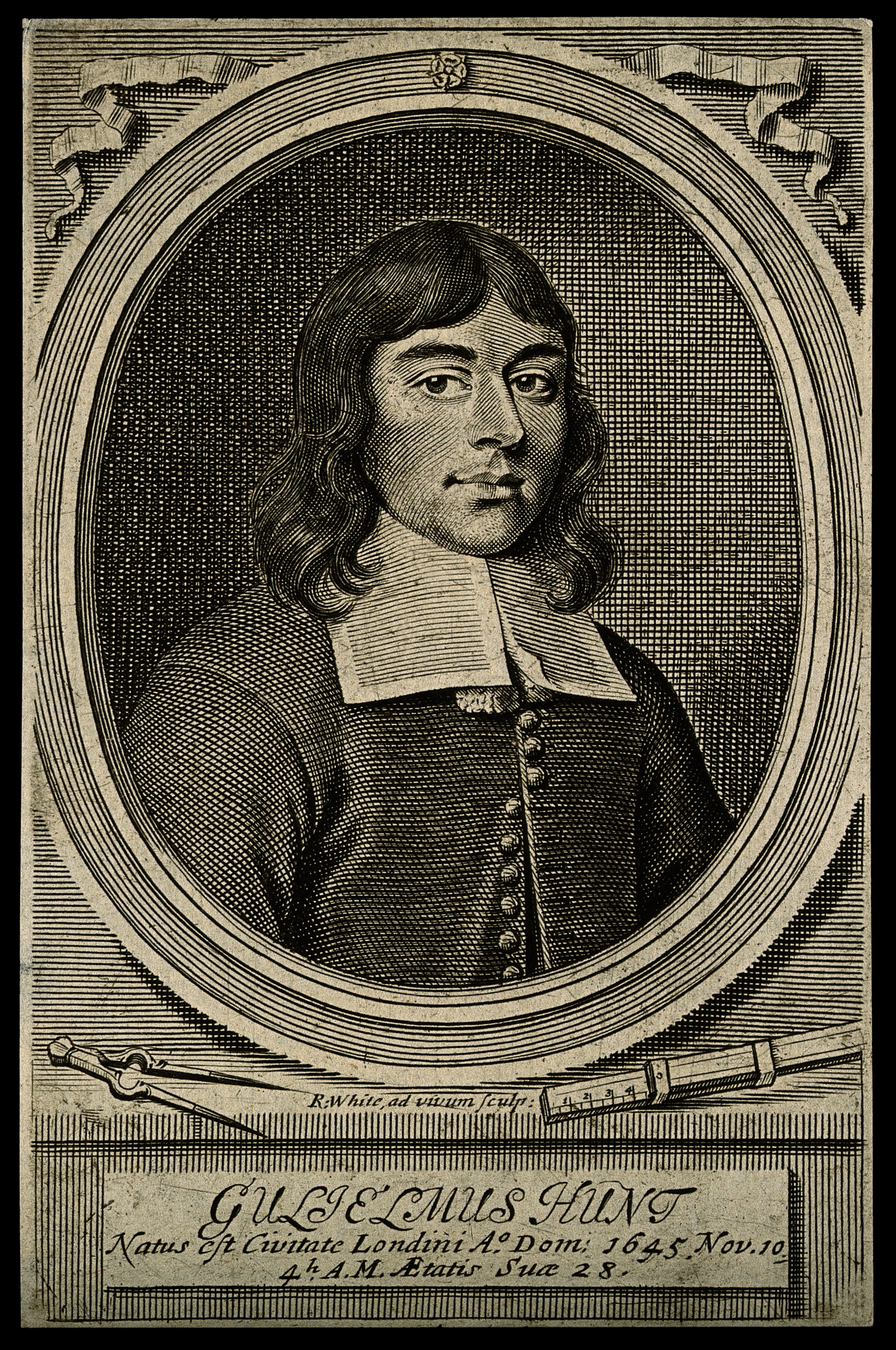
The English Church in the Middle Ages
The English Church in the Middle Ages
The drama begins in 597 AD when a Benedictine monk named Augustine arrives on the Kentish coast with forty followers, dispatched by Pope Gregory the Great to reclaim England for Christendom. What follows is a thousand-year story of tension between an ambitious island church and the spiritual empire of Rome, between royal power and ecclesiastical authority, between English particularism and continental uniformity. William Hunt, writing with the archival confidence of late Victorian scholarship, traces this epic contest from Augustine's fraught negotiations with King Æthelberht through the founding of the See of York, the fierce resistance of Welsh clergy, the transformative Norman Conquest, and finally to Wyclif's doomed challenge to papal supremacy. The book illuminates how the English Church navigated between independence and submission, how it became both a national institution and a limb of universal Christendom, and why its compromises and conflicts shaped a distinctive religious identity that endures to this day. Hunt provides no simple hero or villain; instead he offers a nuanced portrait of an institution perpetually balancing on a wire.
Editions
X-Ray
First Archbishop of Canterbury, sent by Pope Gregory to convert the English. Established the foundation of the English Church in 597.
Organized the English Church and sent Augustine's mission. Created the scheme for two metropolitan sees at London and York.
Greek monk appointed Archbishop of Canterbury by Pope Vitalian. Organized the English Church into dioceses and established its national character.
Archbishop of Canterbury who led the monastic revival and served as chief minister to several kings. Reformed the Church and crowned kings.
About The English Church in the Middle Ages
Chapter Summaries
- 1
- Augustine's mission establishes Christianity in Kent, but Gregory's organizational scheme fails. Celtic Christianity spreads from Scotland, leading to schism resolved at Whitby in favor of Roman practices.
- 2
- Archbishop Theodore organizes the English Church into dioceses and establishes Canterbury's primacy. Wilfrith's appeals to Rome mark early papal interference attempts.
- 3
- Danish invasions devastate the northern Church. Alfred begins recovery, followed by the great monastic revival under Dunstan and the restoration of learning.
Key Themes
- Church and State Relations
- The evolving relationship between ecclesiastical and secular authority, from cooperation to conflict to constitutional settlement.
- Papal Authority vs National Independence
- The tension between Rome's claims to universal jurisdiction and England's desire for ecclesiastical self-governance.
- Religious Reform and Corruption
- Cycles of spiritual renewal and decline, including monastic revivals and clerical corruption throughout the medieval period.
Characters
- St. Augustine(major)
- First Archbishop of Canterbury, sent by Pope Gregory to convert the English. Established the foundation of the English Church in 597.
- Pope Gregory the Great(major)
- Organized the English Church and sent Augustine's mission. Created the scheme for two metropolitan sees at London and York.
- Theodore of Tarsus(major)
- Greek monk appointed Archbishop of Canterbury by Pope Vitalian. Organized the English Church into dioceses and established its national character.
- St. Dunstan(major)
- Archbishop of Canterbury who led the monastic revival and served as chief minister to several kings. Reformed the Church and crowned kings.
- Thomas Becket(major)
- Archbishop of Canterbury who opposed King Henry II over clerical privileges. Murdered in Canterbury Cathedral in 1170 and became a martyr.
- Henry II(major)
- King who sought to limit Church privileges through the Constitutions of Clarendon. Came into fatal conflict with Thomas Becket.
Link to this book
Add a free, dofollow link to Lex on your blog, forum, syllabus, or reading list.

<a href="https://lex-books.com/book/the-english-church-in-the-middle-ages-31770609-fbf0-4270-a6ed-1ebed92384b4"><img src="https://lex-books.com/badges/read-on-lex.svg" alt="Read The English Church in the Middle Ages by William Hunt free on Lex" width="160" height="40"></a>[](https://lex-books.com/book/the-english-church-in-the-middle-ages-31770609-fbf0-4270-a6ed-1ebed92384b4)[url=https://lex-books.com/book/the-english-church-in-the-middle-ages-31770609-fbf0-4270-a6ed-1ebed92384b4][img]https://lex-books.com/badges/read-on-lex.svg[/img][/url]Read The English Church in the Middle Ages by William Hunt free on Lex: https://lex-books.com/book/the-english-church-in-the-middle-ages-31770609-fbf0-4270-a6ed-1ebed92384b4Cite this book
Reading this edition for a paper or guide? Copy a citation.
Hunt, William. The English Church in the Middle Ages. Lex, lex-books.com/book/the-english-church-in-the-middle-ages-31770609-fbf0-4270-a6ed-1ebed92384b4.Hunt, W. (n.d.). The English Church in the Middle Ages. Lex. https://lex-books.com/book/the-english-church-in-the-middle-ages-31770609-fbf0-4270-a6ed-1ebed92384b4Hunt, William. The English Church in the Middle Ages. Lex. https://lex-books.com/book/the-english-church-in-the-middle-ages-31770609-fbf0-4270-a6ed-1ebed92384b4.