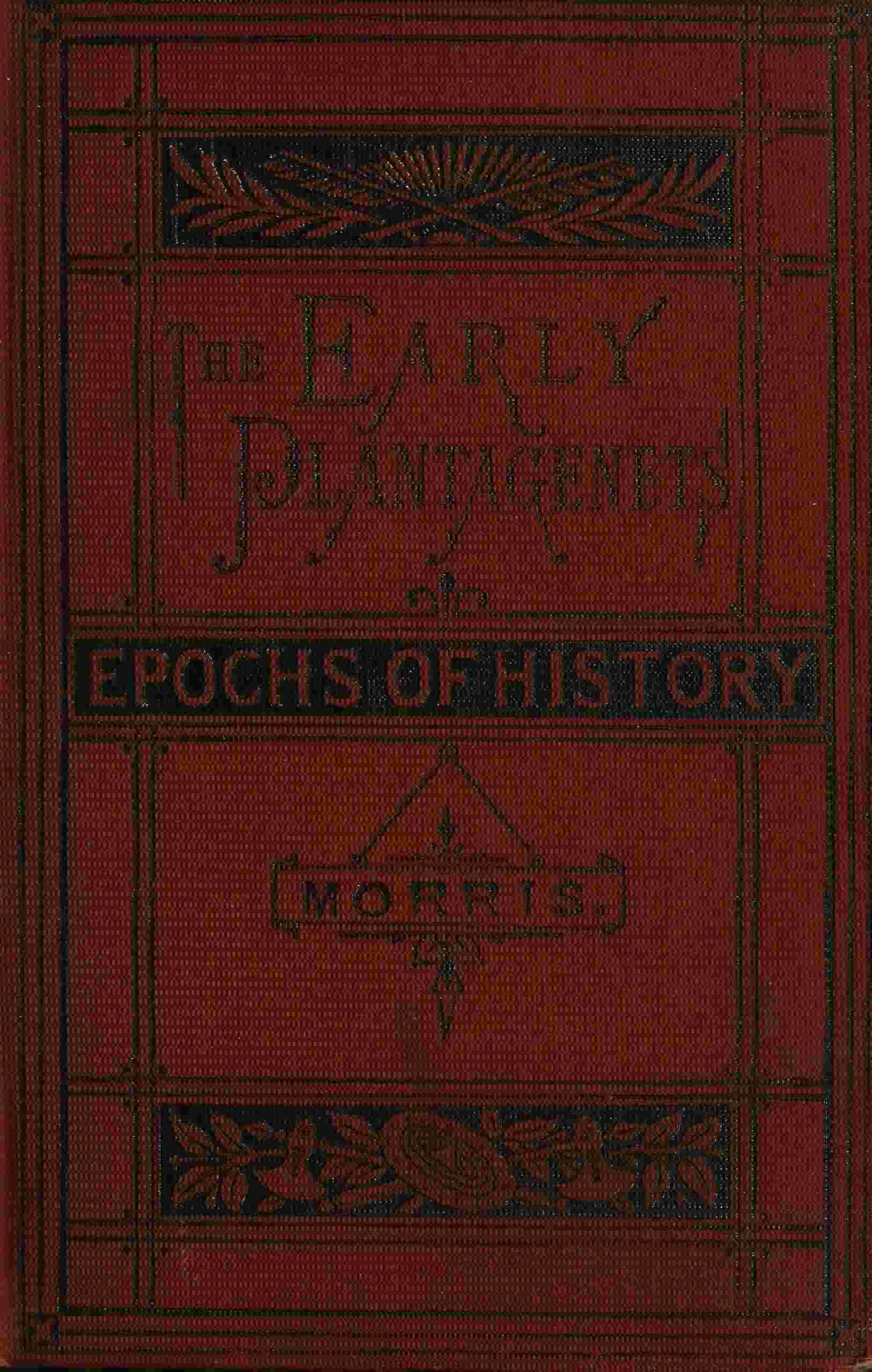
The Early Plantagenets
1876
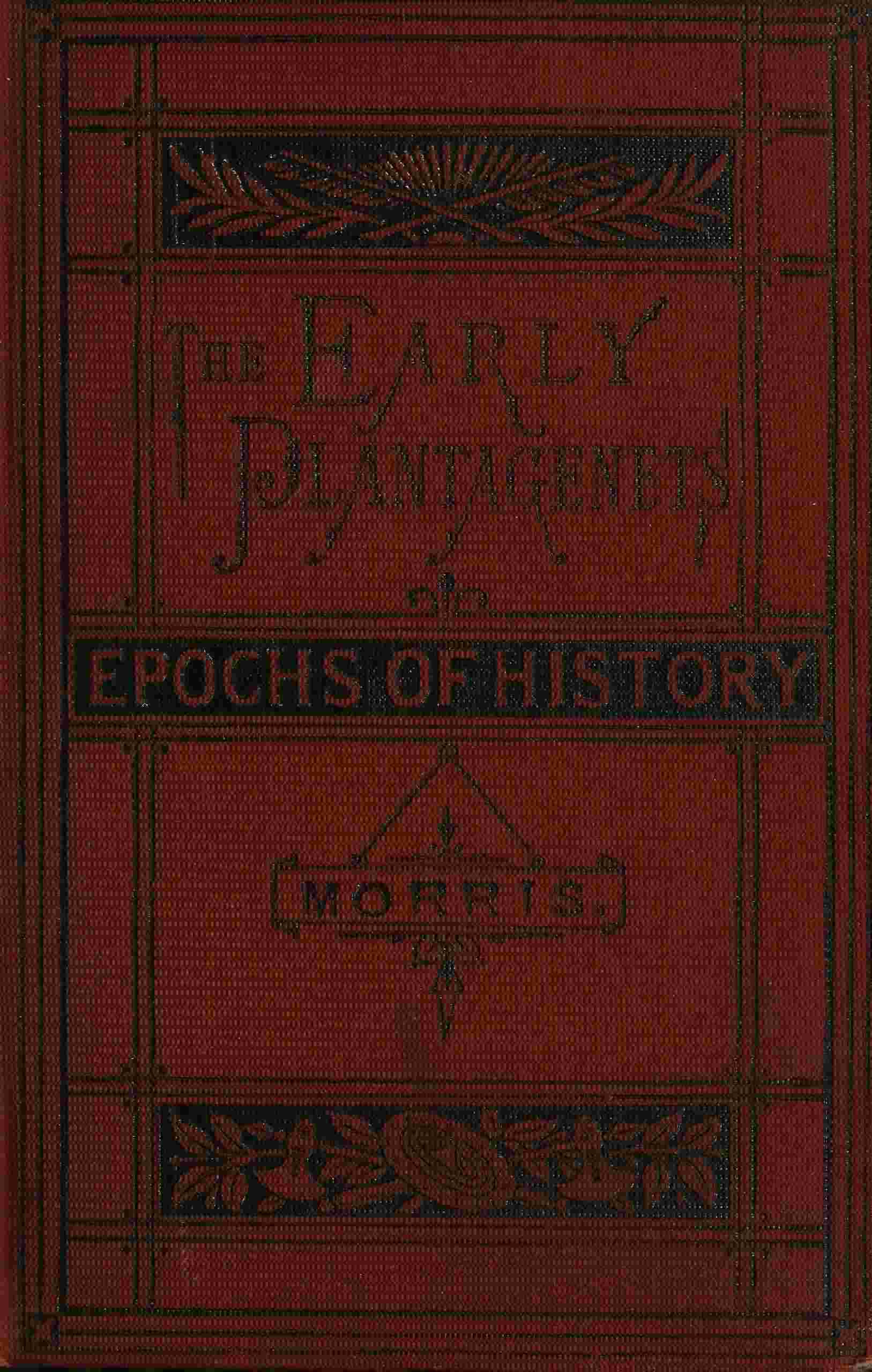
This is the foundational Victorian account of one of English history's most consequential eras. William Stubbs, the great constitutional historian, traces the transformation of England from the chaos of King Stephen's reign through the magnificent but troubled Angevin dynasty to the threshold of the Hundred Years' War. Here is where English governance was forged in blood and negotiation: Henry II's legal revolution, the barons' rebellion that produced Magna Carta, the struggles between crown and parliament under Edward I. Stubbs writes with authority about the Angevin empire's expansion and collapse, the tragedy of Edward II, and the emergence of a kingdom that would dominate medieval Europe. Though written in 1876, this remains essential reading for anyone who wants to understand the deep roots of English constitutional history and the endless tension between royal power and baronial liberty that defined an age.
Editions
X-Ray
The historian and author who narrates this comprehensive account of the early Plantagenet kings. He serves as Regius Professor of Modern History at Oxford and provides scholarly analysis throughout.
King of England from 1135-1154, nephew of Henry I. His reign was marked by civil war and anarchy as he contested the throne with Matilda.
Daughter of Henry I and rightful heir to the English throne. She fought a civil war against Stephen but was never successfully crowned.
First Plantagenet king (1154-1189), son of Matilda and Geoffrey of Anjou. A great lawgiver and administrator who established strong royal government but quarreled fatally with Thomas Becket.
About The Early Plantagenets
Chapter Summaries
- 1
- Stubbs establishes the importance of the Plantagenet period in European history, describing the geographical and political landscape of 12th-13th century Europe. He outlines the significance of this era for constitutional development.
- 2
- The civil war between Stephen and Matilda following Henry I's death creates anarchy in England. Stephen's weak rule and Matilda's failed bid for the crown lead to compromise and Henry II's eventual succession.
- 3
- Henry II establishes strong royal government, reforms the legal system, and begins the administrative innovations that will define his reign. His early years show promise of effective rule.
Key Themes
- Constitutional Development
- The gradual evolution from absolute monarchy to constitutional government, marked by Magna Carta and the growth of Parliament. The book traces how royal power was progressively limited by law and baronial opposition.
- Church and State Relations
- The ongoing tension between secular and ecclesiastical authority, exemplified by the Becket controversy and John's conflict with the Pope. This struggle shaped medieval political theory and practice.
- National Identity Formation
- The transformation of Norman conquerors and Anglo-Saxon subjects into a unified English people. The loss of French territories under John helped consolidate English national consciousness.
Characters
- William Stubbs(narrator)
- The historian and author who narrates this comprehensive account of the early Plantagenet kings. He serves as Regius Professor of Modern History at Oxford and provides scholarly analysis throughout.
- Stephen of Blois(major)
- King of England from 1135-1154, nephew of Henry I. His reign was marked by civil war and anarchy as he contested the throne with Matilda.
- Empress Matilda(major)
- Daughter of Henry I and rightful heir to the English throne. She fought a civil war against Stephen but was never successfully crowned.
- Henry II(protagonist)
- First Plantagenet king (1154-1189), son of Matilda and Geoffrey of Anjou. A great lawgiver and administrator who established strong royal government but quarreled fatally with Thomas Becket.
- Thomas Becket(major)
- Archbishop of Canterbury and former Chancellor to Henry II. Their friendship turned to deadly enmity over church-state relations, leading to Becket's murder in 1170.
- Eleanor of Aquitaine(major)
- Queen of England, wife of Henry II, and one of the most powerful women of the medieval period. She brought vast French territories to the English crown but later rebelled against her husband.
Link to this book
Add a free, dofollow link to Lex on your blog, forum, syllabus, or reading list.

<a href="https://lex-books.com/book/the-early-plantagenets-60babe21-9625-402a-8d9f-3e9bbef64d6f"><img src="https://lex-books.com/badges/read-on-lex.svg" alt="Read The Early Plantagenets by William Stubbs free on Lex" width="160" height="40"></a>[](https://lex-books.com/book/the-early-plantagenets-60babe21-9625-402a-8d9f-3e9bbef64d6f)[url=https://lex-books.com/book/the-early-plantagenets-60babe21-9625-402a-8d9f-3e9bbef64d6f][img]https://lex-books.com/badges/read-on-lex.svg[/img][/url]Read The Early Plantagenets by William Stubbs free on Lex: https://lex-books.com/book/the-early-plantagenets-60babe21-9625-402a-8d9f-3e9bbef64d6fCite this book
Reading this edition for a paper or guide? Copy a citation.
Stubbs, William. The Early Plantagenets. Lex, lex-books.com/book/the-early-plantagenets-60babe21-9625-402a-8d9f-3e9bbef64d6f.Stubbs, W. (1876). The Early Plantagenets. Lex. https://lex-books.com/book/the-early-plantagenets-60babe21-9625-402a-8d9f-3e9bbef64d6fStubbs, William. The Early Plantagenets. Lex. https://lex-books.com/book/the-early-plantagenets-60babe21-9625-402a-8d9f-3e9bbef64d6f.