The Dawn in Russia
1906
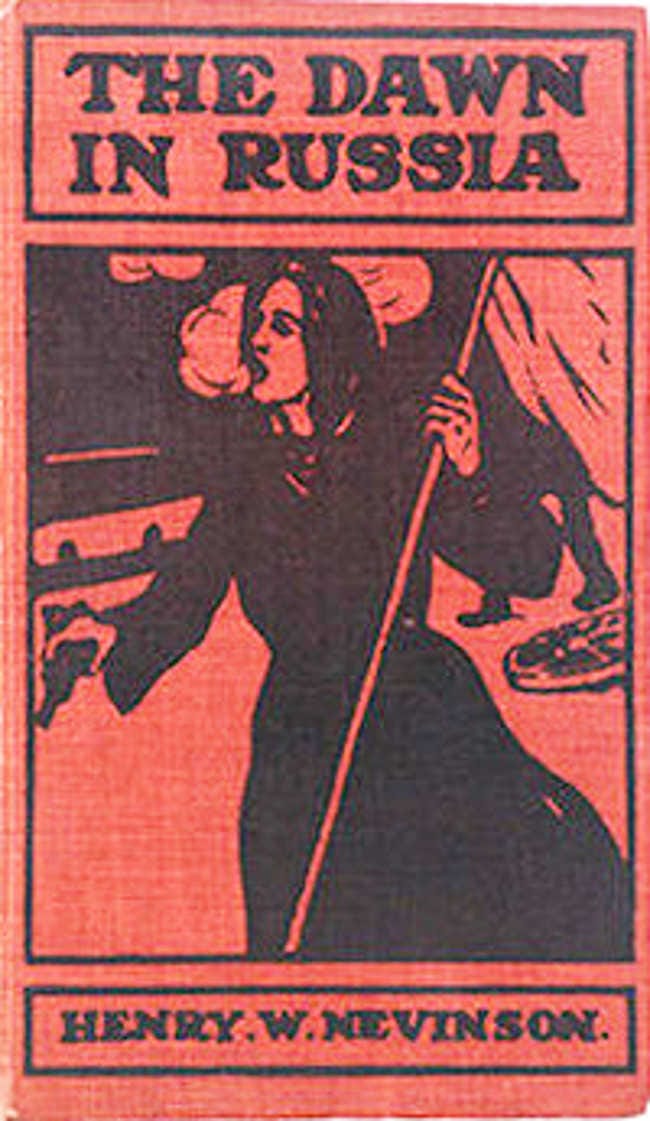
The Dawn in Russia
1906
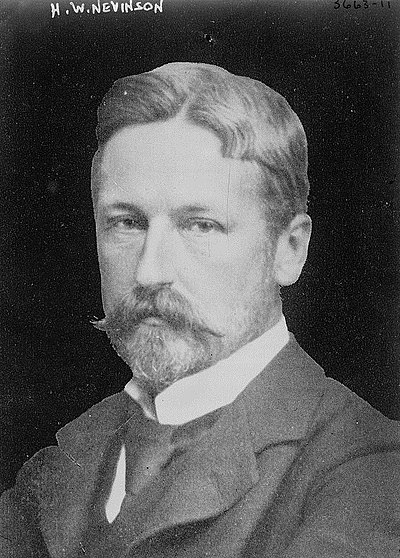
January 1905. A procession of workers, families, and peaceful protesters winds through the frozen streets of St. Petersburg toward the Winter Palace, carrying icons and portraits of the Tsar. They seek only justice and relief from grinding poverty. Then the guns open fire. In that moment, the trust between Russian people and their autocrat shatters forever, and the first great revolution of the twentieth century begins. Henry Woodd Nevinson was there. As a special correspondent for British newspapers, he witnessed the Bloody Sunday massacre that killed hundreds of unarmed civilians, interviewed the striking workers who formed the first Soviet, and tracked the revolutionary fervor spreading across the Empire in the aftermath. His central figure is Father George Gapon, the priest who led the doomed procession and briefly became the most powerful man in Russia before the regime hunted him down. Nevinson traces the revolution through its brutal suppression, the failed reforms, and the deep social tensions exposed by Russia's humiliating defeat in the war with Japan. This is not distant history written in retrospect but journalism composed while the smoke still hung over the city. It captures a nation at the breaking point, the last gasps of Tsarist authority, and the birth of forces that would reshape the world. Essential for anyone seeking to understand how the Russian Revolution of 1917 became inevitable.
Editions

Link to this book
Add a free, dofollow link to Lex on your blog, forum, syllabus, or reading list.

<a href="https://lex-books.com/book/the-dawn-in-russia-5be172d9-4d56-4a16-b786-7dac5c8d9371"><img src="https://lex-books.com/badges/read-on-lex.svg" alt="Read The Dawn in Russia by Henry Woodd Nevinson free on Lex" width="160" height="40"></a>[](https://lex-books.com/book/the-dawn-in-russia-5be172d9-4d56-4a16-b786-7dac5c8d9371)[url=https://lex-books.com/book/the-dawn-in-russia-5be172d9-4d56-4a16-b786-7dac5c8d9371][img]https://lex-books.com/badges/read-on-lex.svg[/img][/url]Read The Dawn in Russia by Henry Woodd Nevinson free on Lex: https://lex-books.com/book/the-dawn-in-russia-5be172d9-4d56-4a16-b786-7dac5c8d9371Cite this book
Reading this edition for a paper or guide? Copy a citation.
Nevinson, Henry Woodd. The Dawn in Russia. Lex, lex-books.com/book/the-dawn-in-russia-5be172d9-4d56-4a16-b786-7dac5c8d9371.Nevinson, H. W. (1906). The Dawn in Russia. Lex. https://lex-books.com/book/the-dawn-in-russia-5be172d9-4d56-4a16-b786-7dac5c8d9371Nevinson, Henry Woodd. The Dawn in Russia. Lex. https://lex-books.com/book/the-dawn-in-russia-5be172d9-4d56-4a16-b786-7dac5c8d9371.