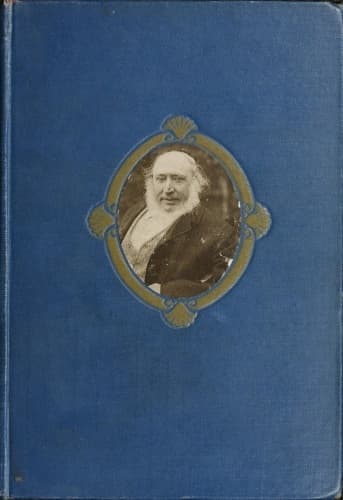
The Customs of Old England
1919
The Customs of Old England
1919
A portals into a vanished England, F.J. Snell's 1919 study resurrects the customs that once organized medieval life. These were not quaint curiosities but the very architecture of belonging: the Leagues of Prayer where communities bound themselves together in spiritual solidarity, pledging to pray for one another's dead and living; the rituals that marked birth, harvest, and death; the unwritten laws that held villages together. Snell writes with the keen eye of an educated Englishman mourning a world that had largely disappeared by his own lifetime. He understands that customs are more than tradition, they are how people make meaning, how they face mortality, how they know who they belong to. This is cultural history at its most evocative, less a catalog of strange practices than a meditation on how humans create order and sacred significance in an indifferent world. For anyone curious about the medieval mind, or the deep roots of English culture, it remains a revealing and strangely moving companion.
Editions
X-Ray
The author and narrator of this scholarly work on medieval English customs. He serves as the guiding voice throughout the exploration of various historical practices and institutions.
The Apostle of Germany who established leagues of prayer between English monasteries and Continental religious houses. He exemplifies the international religious connections of medieval England.
The hereditary castellan of London and Chief Standard-bearer who held significant military and judicial privileges in the City. He represents the feudal military obligations intertwined with urban governance.
Chancellor of Oxford University who issued licenses to impoverished scholars for begging. He represents the academic authority structure of medieval universities.
About The Customs of Old England
Chapter Summaries
- 1
- Explores the medieval custom of prayer confederations between monasteries across Europe. These spiritual alliances involved mutual commemoration of the dead and living through elaborate mortuary rolls carried by messengers between religious houses.
- 2
- Examines the practice of widows taking vows of chastity while remaining in secular life. These women received episcopal blessing and wore distinctive garments, representing a middle state between religious and lay life.
- 3
- Details the custom of fasting in honor of the Blessed Virgin Mary, including the use of spinning wheels to determine which feast day to observe. This practice was popular but not officially sanctioned by the Church.
Key Themes
- Religious Community and Brotherhood
- The book explores how medieval religious institutions fostered international networks of prayer and mutual support. These leagues of prayer connected English monasteries with Continental houses, creating a spiritual commonwealth that transcended national boundaries.
- Academic Poverty and Charity
- Medieval universities operated on systems of authorized begging and charitable support for impoverished scholars. This theme reveals how education was sustained through community generosity and institutional benevolence rather than individual wealth.
- Urban vs. Rural Traditions
- The work examines the complex relationship between city and countryside, showing how urban centers retained rural customs while developing their own distinct practices. This tension reflects England's gradual transformation from an agricultural to a more commercial society.
Characters
- F. J. Snell(protagonist)
- The author and narrator of this scholarly work on medieval English customs. He serves as the guiding voice throughout the exploration of various historical practices and institutions.
- St. Boniface(major)
- The Apostle of Germany who established leagues of prayer between English monasteries and Continental religious houses. He exemplifies the international religious connections of medieval England.
- Robert Fitzwalter(major)
- The hereditary castellan of London and Chief Standard-bearer who held significant military and judicial privileges in the City. He represents the feudal military obligations intertwined with urban governance.
- Thomas Chaundler(minor)
- Chancellor of Oxford University who issued licenses to impoverished scholars for begging. He represents the academic authority structure of medieval universities.
- Hugh Rhodes(minor)
- Master of the Children of the Chapel who wrote the 'Book of Nurture' and composed songs for the Boy-Bishop ceremonies. He embodies the intersection of education, music, and religious practice.
Link to this book
Add a free, dofollow link to Lex on your blog, forum, syllabus, or reading list.

<a href="https://lex-books.com/book/the-customs-of-old-england-e14d601f-45ac-4662-92b8-c49c0e2343ff"><img src="https://lex-books.com/badges/read-on-lex.svg" alt="Read The Customs of Old England by F. J. Snell free on Lex" width="160" height="40"></a>[](https://lex-books.com/book/the-customs-of-old-england-e14d601f-45ac-4662-92b8-c49c0e2343ff)[url=https://lex-books.com/book/the-customs-of-old-england-e14d601f-45ac-4662-92b8-c49c0e2343ff][img]https://lex-books.com/badges/read-on-lex.svg[/img][/url]Read The Customs of Old England by F. J. Snell free on Lex: https://lex-books.com/book/the-customs-of-old-england-e14d601f-45ac-4662-92b8-c49c0e2343ffCite this book
Reading this edition for a paper or guide? Copy a citation.
Snell, F. J.. The Customs of Old England. Lex, lex-books.com/book/the-customs-of-old-england-e14d601f-45ac-4662-92b8-c49c0e2343ff.Snell, F. J. (1919). The Customs of Old England. Lex. https://lex-books.com/book/the-customs-of-old-england-e14d601f-45ac-4662-92b8-c49c0e2343ffSnell, F. J.. The Customs of Old England. Lex. https://lex-books.com/book/the-customs-of-old-england-e14d601f-45ac-4662-92b8-c49c0e2343ff.