The Channel Islands
1911
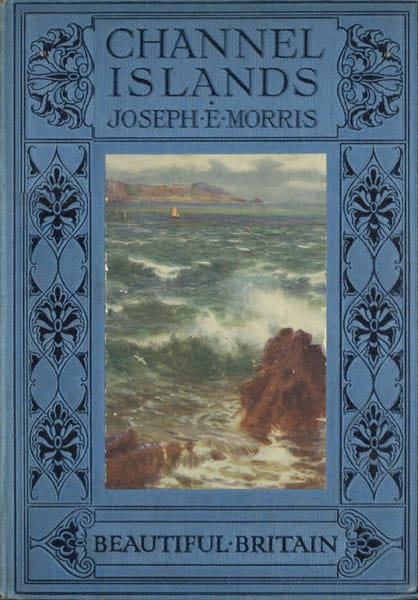
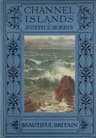
The Channel Islands are Britain's strangest inheritance: Norman soil that never stopped being French, islands you can see from the coast of France yet still answer to the British Crown. Morris's 1911 account captures this peculiarity with the warm eye of a delighted traveler, leading readers through Jersey's green hills, Guernsey's dramatic cliffs, and the near-mythical quiet of Sark before cars arrived. He visits Mont Orgueil Castle, that medieval fortress that held firm against siege, and writes of the treacherous waters around these islands that have claimed countless vessels. The book breathes with older rhythms: feudal lords and religious conflicts, the fishing trades and small communities bound to the sea. What emerges is a portrait of islands caught between two nations, their Norman heritage visible in place names, cuisine, and the visible French coast on a clear day. Morris writes with genuine affection for these places, making this not merely a guidebook to geography but a meditation on what it means to belong to two worlds at once. For readers who love odd corners of history, or who want to understand how Britain and France hold hands in the Channel, this remains a charming window into an Edwardian vision of these ancient islands.
Editions
Link to this book
Add a free, dofollow link to Lex on your blog, forum, syllabus, or reading list.

<a href="https://lex-books.com/book/the-channel-islands-2330bfdb-15e4-4359-b703-0260f7562b76"><img src="https://lex-books.com/badges/read-on-lex.svg" alt="Read The Channel Islands by Joseph E. Morris free on Lex" width="160" height="40"></a>[](https://lex-books.com/book/the-channel-islands-2330bfdb-15e4-4359-b703-0260f7562b76)[url=https://lex-books.com/book/the-channel-islands-2330bfdb-15e4-4359-b703-0260f7562b76][img]https://lex-books.com/badges/read-on-lex.svg[/img][/url]Read The Channel Islands by Joseph E. Morris free on Lex: https://lex-books.com/book/the-channel-islands-2330bfdb-15e4-4359-b703-0260f7562b76Cite this book
Reading this edition for a paper or guide? Copy a citation.
Morris, Joseph E.. The Channel Islands. Lex, lex-books.com/book/the-channel-islands-2330bfdb-15e4-4359-b703-0260f7562b76.Morris, J. E. (1911). The Channel Islands. Lex. https://lex-books.com/book/the-channel-islands-2330bfdb-15e4-4359-b703-0260f7562b76Morris, Joseph E.. The Channel Islands. Lex. https://lex-books.com/book/the-channel-islands-2330bfdb-15e4-4359-b703-0260f7562b76.