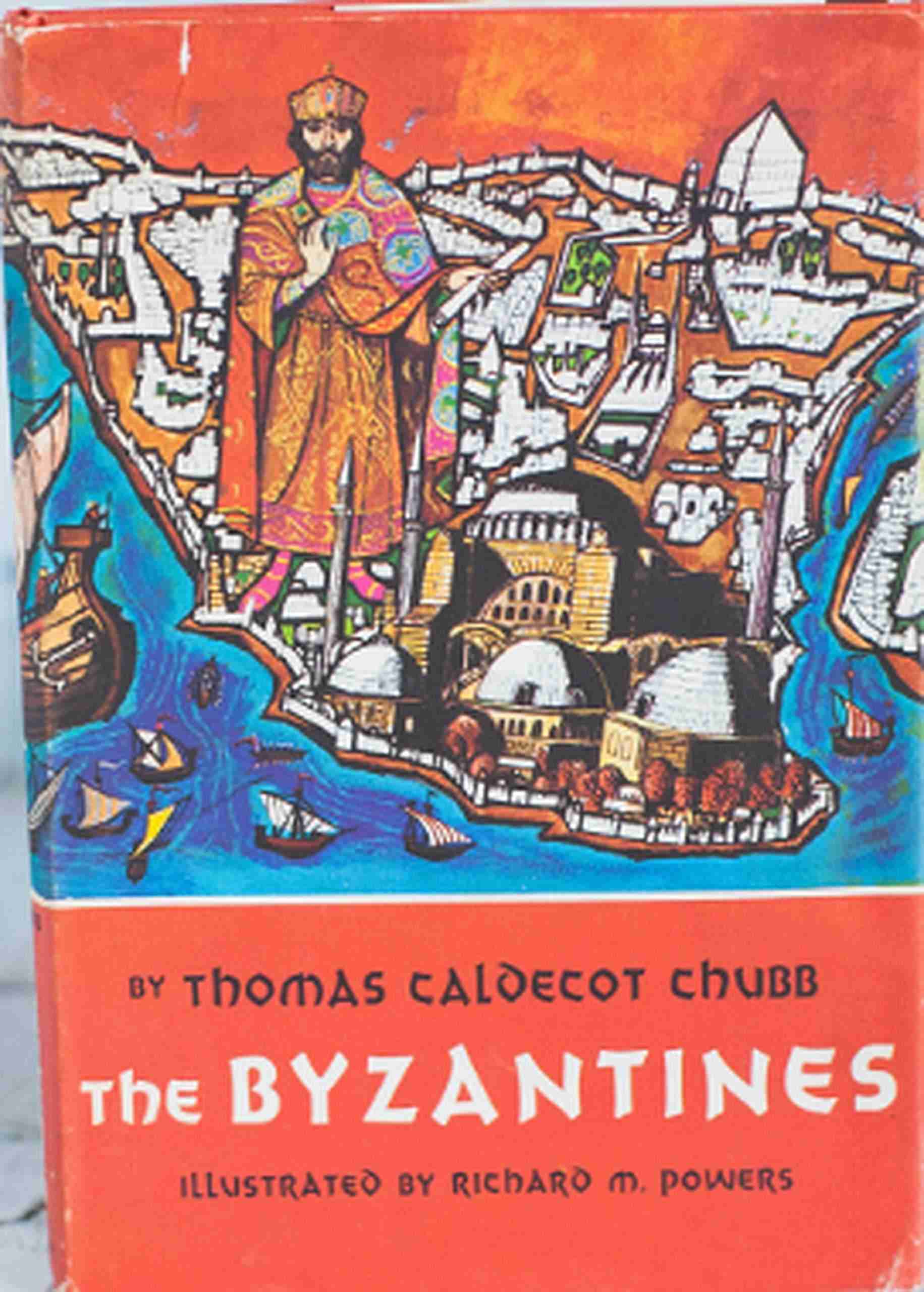
The Byzantines
1959
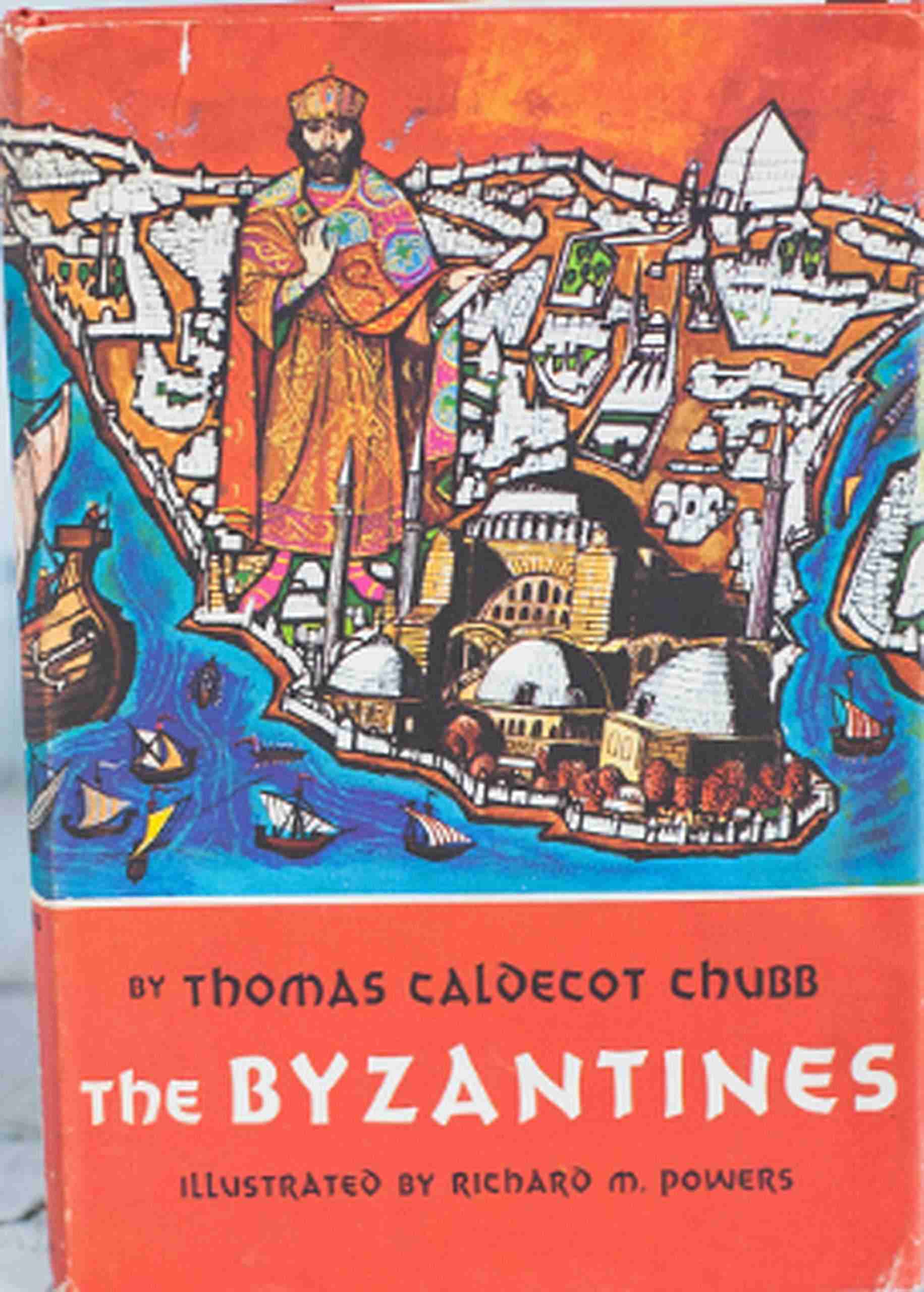
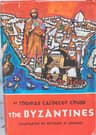
In 1202, a vast crusader fleet set sail from Corfu, bound for the Holy Land to reclaim Christian territory from the Muslims. Instead, these soldiers of Christ turned their swords against Constantinople itself, the greatest city in Christendom. The Fourth Crusade ended not in Jerusalem but in a orgy of plunder and destruction that would reshape the Mediterranean world forever. Thomas Caldecot Chubb brings this extraordinary betrayal to vivid life through the eyes of contemporary chroniclers like Geoffrey of Villehardouin, capturing the Venetian intrigue, the mounting excitement, and the fateful decisions that led to one of history's most consequential catastrophes. The author was a respected scholar and writer whose work on ancient and medieval civilizations brought the Byzantine world to life for generations of readers. This is history at its most dramatic: a tale of faith corrupted by gold, empires built on sand, and a city that had stood for a thousand years brought low in a single season of fire.
Editions
X-Ray
French baron and historian who participated in the Fourth Crusade. He chronicled the events and was one of the last to see Constantinople in its glory before its fall.
Knight and writer who participated in the Fourth Crusade. He provided detailed descriptions of Constantinople's magnificent palaces and treasures.
Eighty-year-old blind Doge of Venice who redirected the Fourth Crusade to Constantinople. He was instrumental in changing the crusaders' destination for financial reasons.
Greatest Byzantine emperor who ruled during the first golden age of the empire. He was a great lawgiver, builder of Santa Sophia, and reconquered much of the former Roman Empire.
About The Byzantines
Chapter Summaries
- 1
- The Fourth Crusade of 1203 was redirected from the Holy Land to Constantinople by the Venetian Doge Henry Dandolo. The crusaders, led by figures like Geoffrey of Villehardouin, were dazzled by the legendary wealth of the Byzantine capital.
- 2
- Constantinople was a magnificent city of nearly a million people from diverse backgrounds. Robert of Clari describes its incredible palaces, churches, and wealth, making it the greatest city west of China.
- 3
- The Byzantine Empire originated when Constantine the Great established a new Christian capital in 330 AD. After the Western Roman Empire fell to barbarians in 476, the Eastern Empire continued as the heir to Rome.
Key Themes
- Civilization vs Barbarism
- The Byzantines served as defenders of Western civilization against Asiatic barbarian invasions. They preserved Greek and Roman culture while protecting Europe from destructive forces that could have prevented democratic development.
- Religious Unity and Division
- Christianity both unified the diverse Byzantine peoples and created internal conflicts through theological disputes. The Orthodox faith provided imperial legitimacy but also led to bitter controversies like Iconoclasm.
- Political Pragmatism
- Byzantine diplomacy and warfare emphasized strategic thinking over brute force. They preferred negotiation, bribery, and clever tactics to direct confrontation, earning a reputation for 'Byzantine treachery.'
Characters
- Geoffrey of Villehardouin(major)
- French baron and historian who participated in the Fourth Crusade. He chronicled the events and was one of the last to see Constantinople in its glory before its fall.
- Robert of Clari(major)
- Knight and writer who participated in the Fourth Crusade. He provided detailed descriptions of Constantinople's magnificent palaces and treasures.
- Henry Dandolo(major)
- Eighty-year-old blind Doge of Venice who redirected the Fourth Crusade to Constantinople. He was instrumental in changing the crusaders' destination for financial reasons.
- Justinian(major)
- Greatest Byzantine emperor who ruled during the first golden age of the empire. He was a great lawgiver, builder of Santa Sophia, and reconquered much of the former Roman Empire.
- Theodora (Justinian's wife)(major)
- Former circus performer who became empress and saved Justinian's throne during the Nika revolt. She was strong-willed and politically influential.
- Constantine the Great(major)
- First Christian Roman emperor who founded Constantinople in 330 AD. He established the new capital that would become the center of the Byzantine Empire.
Link to this book
Add a free, dofollow link to Lex on your blog, forum, syllabus, or reading list.

<a href="https://lex-books.com/book/the-byzantines-6c38a4da-e84b-4f73-97f9-0aa5c47d1661"><img src="https://lex-books.com/badges/read-on-lex.svg" alt="Read The Byzantines by Thomas Caldecot Chubb free on Lex" width="160" height="40"></a>[](https://lex-books.com/book/the-byzantines-6c38a4da-e84b-4f73-97f9-0aa5c47d1661)[url=https://lex-books.com/book/the-byzantines-6c38a4da-e84b-4f73-97f9-0aa5c47d1661][img]https://lex-books.com/badges/read-on-lex.svg[/img][/url]Read The Byzantines by Thomas Caldecot Chubb free on Lex: https://lex-books.com/book/the-byzantines-6c38a4da-e84b-4f73-97f9-0aa5c47d1661Cite this book
Reading this edition for a paper or guide? Copy a citation.
Chubb, Thomas Caldecot. The Byzantines. Lex, lex-books.com/book/the-byzantines-6c38a4da-e84b-4f73-97f9-0aa5c47d1661.Chubb, T. C. (1959). The Byzantines. Lex. https://lex-books.com/book/the-byzantines-6c38a4da-e84b-4f73-97f9-0aa5c47d1661Chubb, Thomas Caldecot. The Byzantines. Lex. https://lex-books.com/book/the-byzantines-6c38a4da-e84b-4f73-97f9-0aa5c47d1661.