The Bronze Age and the Celtic World
1922
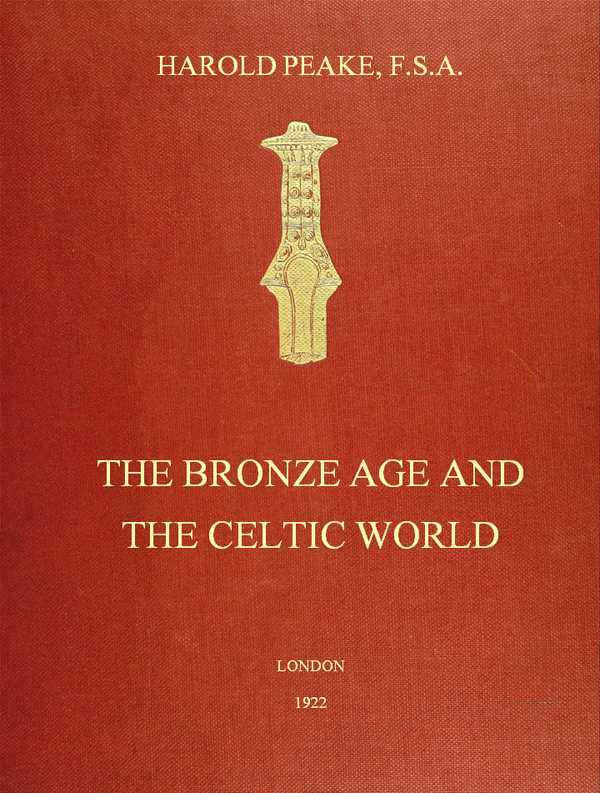
The Bronze Age and the Celtic World
1922
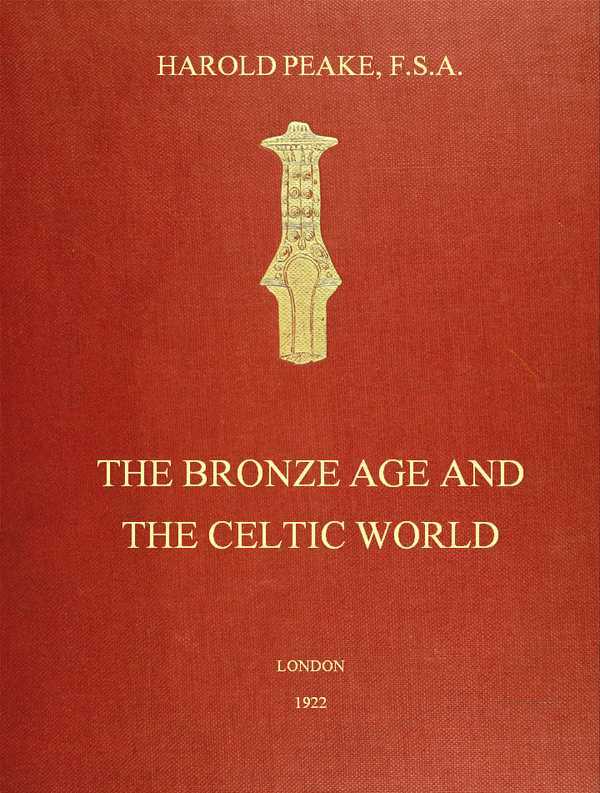
The Bronze Age and the Celtic World, written by Harold Peake and first published in 1922, is a historical exploration of the early inhabitants of Celtic regions and their interactions during the Bronze Age. The book focuses on the evolution and spread of Celtic languages, cultures, and trade practices, while addressing the significant impact of Roman influence on these languages. Peake's work is notable for its examination of prehistoric archaeology, anthropology, and philology, contributing to the understanding of Celtic origins and their cultural interactions in Europe.
Editions
X-Ray
The author and scholar presenting his archaeological and anthropological theories about Celtic origins and Bronze Age migrations. He serves as the analytical voice throughout the work.
The various Celtic-speaking populations including Gaels, Brythons, and their ancestors. They are the central subject of Peake's historical reconstruction.
Tall, fair, long-headed warrior peoples from the Russian steppes who became the ruling class. They are portrayed as the original Wiros (Aryans) who spread Indo-European languages.
Broad-headed, patient, agricultural peoples from Asia Minor who built lake-dwellings. They formed the peasant class under Nordic rule.
About The Bronze Age and the Celtic World
Chapter Summaries
- 1
- Peake outlines the central question of Celtic origins, noting that Celtic languages were once more widespread but have been pushed to Europe's northwestern fringe. He proposes to solve this puzzle using archaeological and anthropological evidence.
- 2
- A survey of prehistoric populations in Celtic territories, from Paleolithic hunters to Neolithic farmers. Peake describes various racial types including Cromagnon, Mediterranean, and early Alpine peoples who preceded the Celts.
- 3
- Describes the development of Bronze Age trade networks that brought metal technology to western Europe. Peake traces routes from the Mediterranean to Ireland's gold fields, showing how commerce preceded conquest.
Key Themes
- Racial Migration and Cultural Change
- Peake traces how successive waves of migration transformed European populations and cultures. He argues that major cultural shifts correspond to the arrival of new racial groups with superior technology or organization.
- Technology and Social Hierarchy
- The development of bronze weapons and tools creates new power structures. Those who control advanced technology, particularly the leaf-shaped sword, gain political and military dominance over others.
- Language and Identity
- The spread of Indo-European languages reflects deeper patterns of conquest and cultural dominance. Peake connects linguistic evidence with archaeological findings to trace population movements.
Characters
- Harold Peake(protagonist)
- The author and scholar presenting his archaeological and anthropological theories about Celtic origins and Bronze Age migrations. He serves as the analytical voice throughout the work.
- Celtic peoples(major)
- The various Celtic-speaking populations including Gaels, Brythons, and their ancestors. They are the central subject of Peake's historical reconstruction.
- Nordic peoples(major)
- Tall, fair, long-headed warrior peoples from the Russian steppes who became the ruling class. They are portrayed as the original Wiros (Aryans) who spread Indo-European languages.
- Alpine peoples(major)
- Broad-headed, patient, agricultural peoples from Asia Minor who built lake-dwellings. They formed the peasant class under Nordic rule.
- Prospectors(major)
- A merchant class responsible for early metal trade and megalithic monuments. They were skilled in business and mining operations across Europe.
- Mediterranean peoples(major)
- Small, dark peoples who formed the earliest populations of western Europe. They were skilled craftsmen and sailors but often served under other groups.
Link to this book
Add a free, dofollow link to Lex on your blog, forum, syllabus, or reading list.

<a href="https://lex-books.com/book/the-bronze-age-and-the-celtic-world-ae919a86-98ed-4fd6-8b9e-1e33af907757"><img src="https://lex-books.com/badges/read-on-lex.svg" alt="Read The Bronze Age and the Celtic World by Harold Peake free on Lex" width="160" height="40"></a>[](https://lex-books.com/book/the-bronze-age-and-the-celtic-world-ae919a86-98ed-4fd6-8b9e-1e33af907757)[url=https://lex-books.com/book/the-bronze-age-and-the-celtic-world-ae919a86-98ed-4fd6-8b9e-1e33af907757][img]https://lex-books.com/badges/read-on-lex.svg[/img][/url]Read The Bronze Age and the Celtic World by Harold Peake free on Lex: https://lex-books.com/book/the-bronze-age-and-the-celtic-world-ae919a86-98ed-4fd6-8b9e-1e33af907757Cite this book
Reading this edition for a paper or guide? Copy a citation.
Peake, Harold. The Bronze Age and the Celtic World. Lex, lex-books.com/book/the-bronze-age-and-the-celtic-world-ae919a86-98ed-4fd6-8b9e-1e33af907757.Peake, H. (1922). The Bronze Age and the Celtic World. Lex. https://lex-books.com/book/the-bronze-age-and-the-celtic-world-ae919a86-98ed-4fd6-8b9e-1e33af907757Peake, Harold. The Bronze Age and the Celtic World. Lex. https://lex-books.com/book/the-bronze-age-and-the-celtic-world-ae919a86-98ed-4fd6-8b9e-1e33af907757.