
Fannie Merritt Farmer
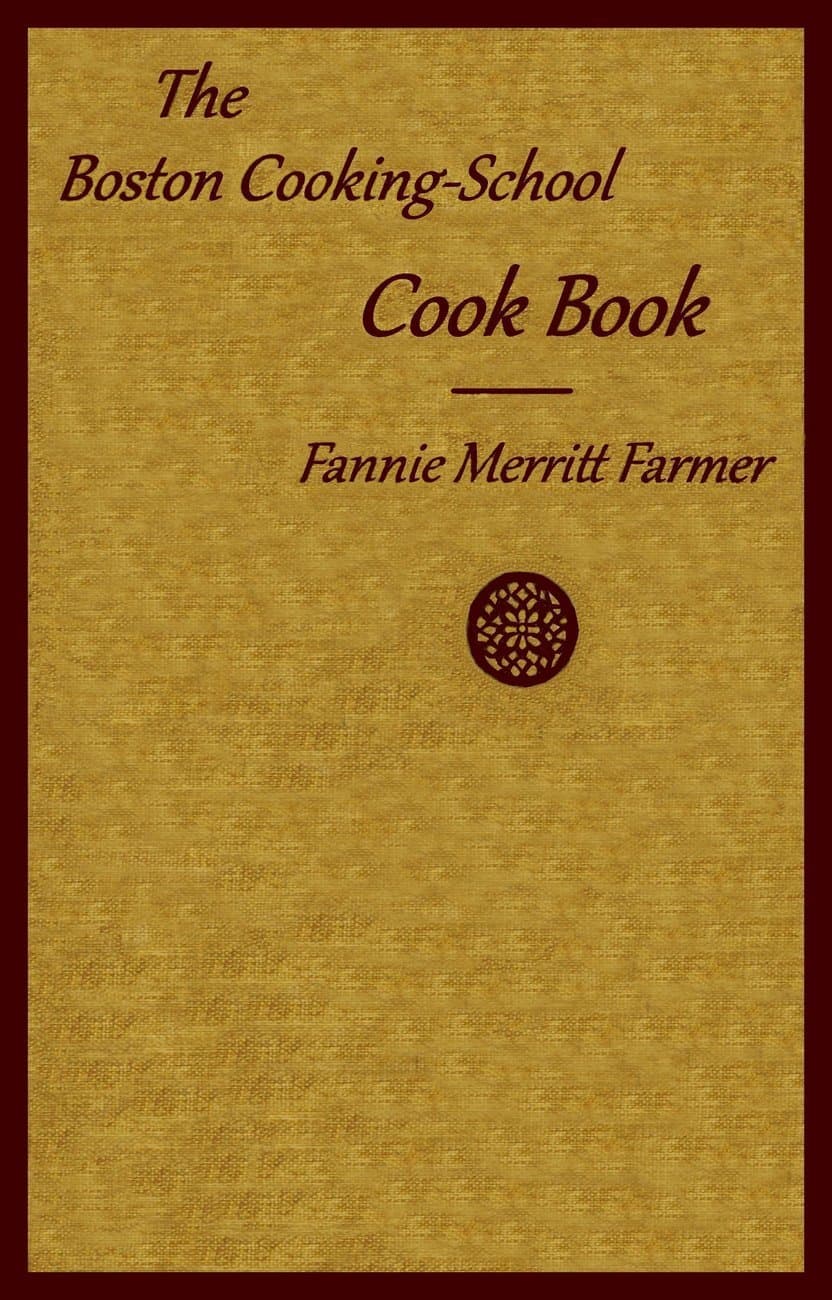
Fannie Merritt Farmer was an influential American culinary expert best known for her seminal work, the Boston Cooking-School Cook Book. Published in 1896, this cookbook was groundbreaking for its systematic approach to cooking and its emphasis on precise measurements, which helped to standardize recipes in a time when cooking was often based on vague instructions. Farmer's innovative methods and clear instructions made cooking more accessible to the average home cook, transforming the culinary landscape of America. Beyond her cookbook, Farmer was a pioneer in the field of nutrition and food education. She advocated for the importance of nutrition in daily life and was one of the first to promote the idea that cooking could be a science as well as an art. Her work laid the foundation for modern culinary practices and education, influencing generations of cooks and chefs. Farmer's legacy continues to be felt today, as her principles of measurement and clarity in recipes remain standard in cookbooks worldwide.
Famous Quotes
View all 1 quotes“Boston Baked Beans. Pick over one quart pea beans, cover with cold water, and soak over night. In morning, drain, cover with fresh water, heat slowly (keeping water below boiling point), and cook until skins will burst,—which is best determined by taking a few beans on the tip of a spoon and blowing on them, when skins will burst if sufficiently cooked. Beans thus tested must, of course, be thrown away. Drain beans, throwing bean-water out of doors, not in sink. Scald rind of one-half pound fat salt pork, scrape, remove one-fourth inch slice and put in bottom of bean-pot. Cut through rind of remaining pork every one-half inch, making cuts one inch deep. Put beans in pot and bury pork in beans, leaving rind exposed. Mix one tablespoon salt, one tablespoon molasses, and three tablespoons sugar; add one cup boiling water, and pour over beans; then add enough more boiling water to cover beans. Cover bean-pot, put in oven, and bake slowly six or eight hours, uncovering the last hour of cooking, that rind may become brown and crisp. Add water as needed. Many feel sure that by adding with seasonings one-half tablespoon mustard, the beans are more easily digested. If pork mixed with lean is preferred, use less salt. The fine reputation which Boston Baked Beans have gained, has been attributed to the earthen bean-pot with small top and bulging sides in which they are supposed to be cooked. Equally good beans have often been eaten where a five-pound lard pail was substituted for the broken bean-pot. Yellow-eyed beans are very good when baked.”
Books from the author


Link to this page
Add a free, dofollow link to Lex on your blog, forum, syllabus, or reading list.

<a href="https://lex-books.com/author/fannie-merritt-farmer"><img src="https://lex-books.com/badges/read-on-lex.svg" alt="Fannie Merritt Farmer on Lex" width="160" height="40"></a>[](https://lex-books.com/author/fannie-merritt-farmer)[url=https://lex-books.com/author/fannie-merritt-farmer][img]https://lex-books.com/badges/read-on-lex.svg[/img][/url]Fannie Merritt Farmer on Lex: https://lex-books.com/author/fannie-merritt-farmer