What would you like to read?Search books, authors, genres, shelves, users...
Search books, authors, genres, shelves, users...Search books, authors, genres, shelves, users...

What would you like to read?Search books, authors, genres, shelves, users...
Search books, authors, genres, shelves, users...Search books, authors, genres, shelves, users...
1919
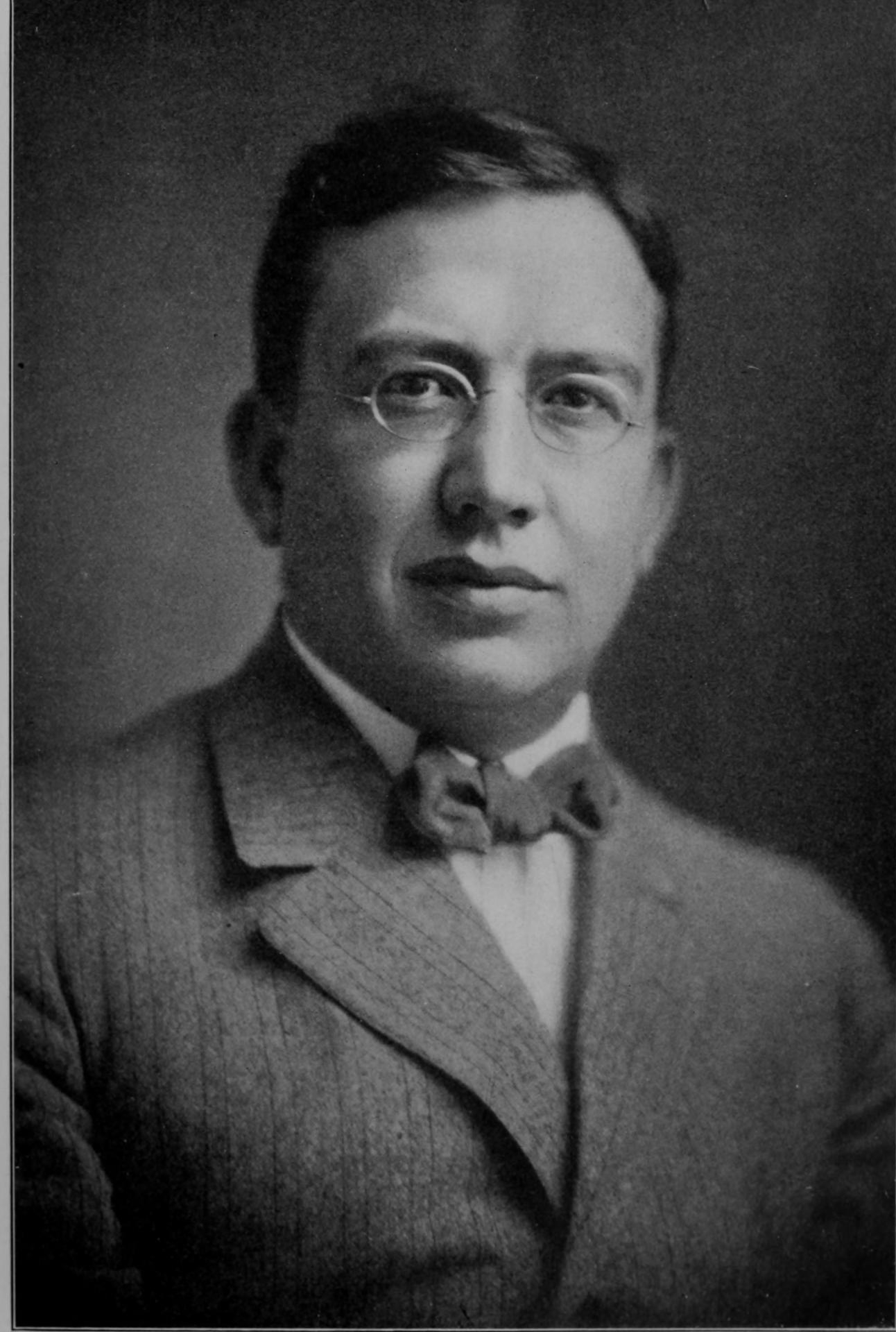
Samuel Peter Orth
1919
A historical account likely written during the early 20th century. The narrative delves into the development of political parties and their organizations in the United States, emphasizing the intricate relationship between politicians and party machinery throughout American history, notably focusing on the evolution of Tammany Hall as a case study of political corruption and machine politics. The opening of this work outlines the foundational role of political parties in establishing democracy in America, beginning with the colonial divisions between the Tories and Whigs, and progressing through significant historical events such as the adoption of the Constitution and the rise of influential party leaders like Thomas Jefferson and Alexander Hamilton. Orth discusses how party organization evolved over time, leading to the emergence of political machines that sought to consolidate power and influence. The text explains the early American experiences with caucuses and conventions, ultimately setting the stage for Tammany Hall's prominence in city politics and its representation of the intertwining of politics and personal gain, highlighting the challenges of political reform against entrenched interests.