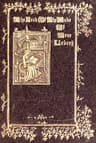
The Book of the Duke of True Lovers
1405
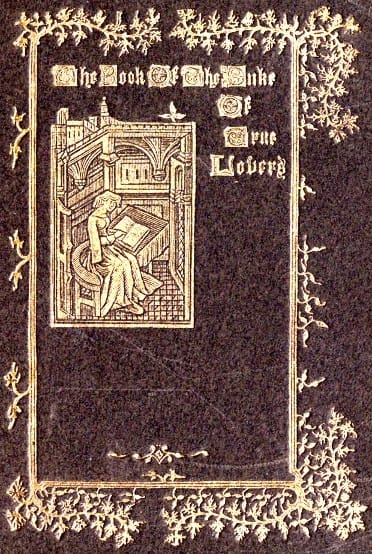
Christine de Pisan wrote this book in 1405, making her one of the first women in European history to earn her living as a professional writer. That fact alone makes this romance remarkable. But the book itself is no mere historical curiosity. It's a sophisticated, psychologically acute meditation on love, longing, and the impossible position of a man consumed by desire for a woman he cannot have. The Duke of True Lovers arrives at Christine's door seeking an audience with the famous widow and poet. He needs someone to witness his suffering, to understand the specific torture of loving a married noblewoman from afar. Through a series of vivid flashbacks, he recounts how his passion began, the torment of secrecy, the stolen glances at court, and the anguish of unreciprocated longing. Christine listens, questions, and records, transforming his private pain into a literary monument. What elevates this beyond simple courtly romance is its layered perspective. We see love not just through the Duke's eyes, but through Christine's as well. She interrogates his assumptions, notes the social realities that constrain the lady's choices, and insists on the dignity of female will. Five centuries later, this remains a surprisingly modern portrait of love as both exhilarating and impossible.
Editions
Link to this book
Add a free, dofollow link to Lex on your blog, forum, syllabus, or reading list.

<a href="https://lex-books.com/book/the-book-of-the-duke-of-true-lovers-325ed62c-49a4-4cf2-bdb3-f135e1777099"><img src="https://lex-books.com/badges/read-on-lex.svg" alt="Read The Book of the Duke of True Lovers by de Pisan Christine free on Lex" width="160" height="40"></a>[](https://lex-books.com/book/the-book-of-the-duke-of-true-lovers-325ed62c-49a4-4cf2-bdb3-f135e1777099)[url=https://lex-books.com/book/the-book-of-the-duke-of-true-lovers-325ed62c-49a4-4cf2-bdb3-f135e1777099][img]https://lex-books.com/badges/read-on-lex.svg[/img][/url]Read The Book of the Duke of True Lovers by de Pisan Christine free on Lex: https://lex-books.com/book/the-book-of-the-duke-of-true-lovers-325ed62c-49a4-4cf2-bdb3-f135e1777099Cite this book
Reading this edition for a paper or guide? Copy a citation.
Christine, de Pisan. The Book of the Duke of True Lovers. Lex, lex-books.com/book/the-book-of-the-duke-of-true-lovers-325ed62c-49a4-4cf2-bdb3-f135e1777099.Christine, D. P. (1405). The Book of the Duke of True Lovers. Lex. https://lex-books.com/book/the-book-of-the-duke-of-true-lovers-325ed62c-49a4-4cf2-bdb3-f135e1777099Christine, de Pisan. The Book of the Duke of True Lovers. Lex. https://lex-books.com/book/the-book-of-the-duke-of-true-lovers-325ed62c-49a4-4cf2-bdb3-f135e1777099.