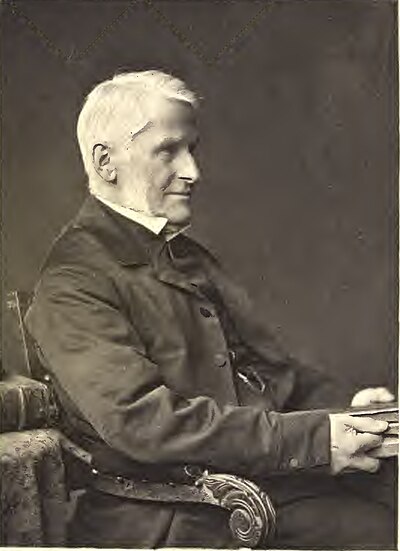
The Atonement, as Taught by the Church of England: A Sermon
In 1849, Edward Hoare delivered a sermon that would become a defining statement of Anglican theology on perhaps Christianity's most contested doctrine: how exactly does Christ's death reconcile sinners to a holy God? This is not abstract speculation for Hoare but matter of eternal consequence. The sermon builds its case with relentless clarity. Atonement, in the Church of England's teaching, is Christ's finished work, a perfect sacrifice that absorbs sin's curse and satisfies divine justice once and for all. Unlike Roman Catholic formulations that allow for human participation in salvation, Hoare insists that nothing more can be added. No penance, no purgatory, no additional satisfaction. Faith alone receives what Christ alone has accomplished. The curse becomes blessing, alienation becomes peace, the debt is paid in full. This sermon speaks to anyone who has ever wrestled with how a holy God could forgive sin. It captures the theological urgency of Victorian Anglicanism at a moment when the Church of England was fiercely defending its Protestant identity against both Catholic traditionalism and liberal skepticism. The arguments here shaped generations of Anglican clergy and remain essential reading for understanding the doctrinal battles that still echo in church debates today.
Editions
Link to this book
Add a free, dofollow link to Lex on your blog, forum, syllabus, or reading list.

<a href="https://lex-books.com/book/the-atonement-as-taught-by-the-church-of-england-a-sermon-4602988b-bcd6-42ed-a10e-39e430072747"><img src="https://lex-books.com/badges/read-on-lex.svg" alt="Read The Atonement, as Taught by the Church of England: A Sermon by Edward Hoare free on Lex" width="160" height="40"></a>[](https://lex-books.com/book/the-atonement-as-taught-by-the-church-of-england-a-sermon-4602988b-bcd6-42ed-a10e-39e430072747)[url=https://lex-books.com/book/the-atonement-as-taught-by-the-church-of-england-a-sermon-4602988b-bcd6-42ed-a10e-39e430072747][img]https://lex-books.com/badges/read-on-lex.svg[/img][/url]Read The Atonement, as Taught by the Church of England: A Sermon by Edward Hoare free on Lex: https://lex-books.com/book/the-atonement-as-taught-by-the-church-of-england-a-sermon-4602988b-bcd6-42ed-a10e-39e430072747Cite this book
Reading this edition for a paper or guide? Copy a citation.
Hoare, Edward. The Atonement, as Taught by the Church of England: A Sermon. Lex, lex-books.com/book/the-atonement-as-taught-by-the-church-of-england-a-sermon-4602988b-bcd6-42ed-a10e-39e430072747.Hoare, E. (n.d.). The Atonement, as Taught by the Church of England: A Sermon. Lex. https://lex-books.com/book/the-atonement-as-taught-by-the-church-of-england-a-sermon-4602988b-bcd6-42ed-a10e-39e430072747Hoare, Edward. The Atonement, as Taught by the Church of England: A Sermon. Lex. https://lex-books.com/book/the-atonement-as-taught-by-the-church-of-england-a-sermon-4602988b-bcd6-42ed-a10e-39e430072747.